Key Takeaways
- Hemp serves many purposes, from food to wellness products, from textiles to industrial materials.
- Due to the 2018 Farm Bill, hemp farming became legal in the United States, which in turn initiated remarkable industry development alongside an expansion of hemp-related goods.
- The plant-based diet is extremely popular nowadays, and with the hemp oil, seed, and protein, a rich source of omega three fatty acids, it is the perfect addition to the diet, emphasizing the potential of hemp.
- Hemp is better for the environment than traditional crops like cotton due to its reduction in carbon emmisions and its benefit to soil health.
- Aside from food and wellness, hemp is prominently used in textiles for biodegradable ropes and plastics. Additionally, hemp seed oil is now found in personal care items making it even more versatile.
The versatile plant, Hemp – a type of Cannabis sativa, has broad applications ranging from agriculture to wellness. Hailing from the American continent, hemp has been popularized in recent times due to its non-intoxicating properties and newfound fame. This article aims to breakdown the various advantages, benefits, uses, and how it is seen to evolve in the future, especially in the borders of America.
What Is Hemp
Hemp falls under cannabis sativa, which only has a tiny quantity of THC (tetrahydrocannabinol), the active ingredient of marijuana. Hemp, unlike marijuana which is used for recreational purposes, is multifunctional and is applied in textiles, wellness, and even industrial products.
How Does Hemp Differ from Marijuana
The most pertinent misunderstanding regarding hemp is its similarity to marijuana. It is irrefutable that both plants belong to the cannabis sativa genus, but their applications differ. Marijuana is grown to satisfy its users by its ‘high’ inducing properties while, hemp is cultivated for agricultural, industrial, as well as wellness purposes. This new age hemp farming is a remedy to plenty of societal problems. This Bill legalized the production of industrial hemp by setting the concentration limit of THC to under 0.3%. It is safe to say this mark is what separates the two. Hemp tends to be a far better alternative to marijuana when one wants to boost their productivity in daily life.
The History of Hemp in the United States
In the early years of America, Hemp production was an integral part of its history and was employed for numerous purposes including making garments, ropes, sails, and paper. Farmers during this period considered hemp to be a cash crop because of its strength and usefulness.
Decline Due to Stigma and Regulation
The U.S. decline in hemp started with the stigma of Cannabis sativa and the rise of marijuana bans. The Marihuana Tax Act of 1937 restricted hemp growth resulting in a large production dip.
Revival with the 2018 Farm Bill
The 2018 Farm Bill marked the re-emergence of hemp cultivation in the United State, as it allowed its growing at the federal level. The bill was significant as it helped define hemp separately from marijuana, allowing hemp to be used in a myriad of products such as CBD and textiles[1].
The Anatomy of the Hemp Plant: From Seeds to Stalks
It is essential to understand the anatomy of the hemp plant, not only to appreciate its diversity, but its functionalities as a natural product and a useful sustainable resource.
The Seeds: A Nutritional Powerhouse
Hemp Seeds are composed of the best proteins, omega acids, vitamins, and minerals. These seeds provide all nine essential amino acids making them a good plant protein source. Moreover, the seeds are high in fiber and antioxidants which improves digestion, making them a valuable addition to hemp use in health foods. Hemp seed oil, extracted from seeds is used in skincare and vitamins because of its heart-positive fats and moisturizing qualities.
The Stalks: The Industrial Backbone of Hemp
Hemp stalk serves important industrial functions such as providing sturdy, strong, and biodegradable fibers that can be used for fabric, ropes, and construction supplies. Hemp is a great ecofriendly substitute for other artificial fibers and it also used to make paper. A building material known as Hempcrete composed of hemp stalk is proving to be very useful due to its lightweight and energy-efficient qualities.
The Leaves and Flowers: The Wellness Treasure
The leaves and flowers of the hemp plant contain lots of compounds like CBD which have many optimistic uses. Some of the health benefits of CBD include pain management and anxiety relief without THC-like effects. Different oils, tinctures, capsules, and other hemp-derived products are normal in the wellness space which aid in managing many conditions as a substitute.
Hemp as a Food Source: Nutritional Benefits and Safety
Hemp has been utilized in multiple ways for the nutritional value contained in it.
Nutritional Profile of Hemp Seeds and Hemp Oil
Like any other seeds, hemp seeds contain proteins, fibers, and all the good fats. They can often be found in foods such as smoothies, granola, and protein bars. From the seeds, Hemp Oil is extracted which is also rich in essential fatty acids and is used for cooking, and is taken as a dietary supplement.
Benefits of Hemp Protein and Its Role in Plant-Based Diets
Hemp seed protein is an ideal supplementation for a plant-based diet due to its broad range of benefits and its ability to provide complete protein concentration which contains all of the nine essential amino acids. It also helps with muscle recovery as well as general health.
Safety and Potential Side Effects of Consuming Hemp-Derived Foods
Hemp Foods are safe for most people; however, mild side effects such as digestive discomfort can occur. it is crucial to make sure the products come from trusted firms which has no more than trace THC.
Hemp Textiles: A Sustainable Revolution
Because the world is now embracing sustainability, the recognition for hemp is on the increase due to it being a renewable source and environmental-friendly compared to traditional textiles like cotton and synthetic fibers.
The Durability and Sustainability of Hemp Fiber
Unlike other natural fibers, hemp fibers are very strong and can withstand any form of damage. Because of that, it is extensively used in textiles, ropes and many industrial purposes. Moreover, unlike cotton, hemp is planted with less resources and chemicals making it a more sustainable option[2].
Uses of Hemp in Clothing, Rope, and Industrial Materials
Hemp is also emerging as a sustainable fabric for clothing within the fashion world. The material is used in rope, twine, and construction materials as well. It is making its way into various industries due to its strong and sustainable properties, which makes it a green alternative, particularly in the production of hemp products.
Comparing Hemp to Cotton and Synthetic Fibers
Hemp is more sustainable compared to cotton and synthetic fibers. Cotton demands more water, excessive pesticides, and is limited in terms of climates in which it grows. Unlike synthetic fibers such as polyester, hemp is biodegradable which lowers the environmental impact during disposal.
Hemp and Wellness: Dosing, Benefits, and Consumer Reviews
Cannabidiol (CBD) is one of many beneficial compounds present in hemp that does not induce intoxication making hemp good for holistic treatment.
Exploring Hemp-Derived CBD Products
Attention around CBD has been rising continuously due to its fantastically positive effects when treating chronic pain, anxiety, sleep disorders, and even various skin conditions[3]. Different types of products and goods such as oils, capsules, creams, or even edibles have been manufactured using CBD. Unlike THC, CBD is not psychoactive, so people can experience relief from various ailments without having to deal with the unwanted risks of being ‘high.’
The hemp industry has provided for the increased demand for CBD products quite well. A lot of companies manufacture tinctures with full-spectrum, broad-spectrum, and isolates of CBD, which offer different concentrations of beneficial cannabinoids. While broad-spectrum products contain most cannabinoids except THC, full-spectrum has a wide variety of beneficial compounds along with terpenes and other cannabinoids. Isolate products are pure CBD so they are more concentrated.
Common Dosages and Methods of Consumption
The appropriate dosage for hemp-derived CBD varies as per the user’s body weight, the intensity and type of the medical condition, and the strength of CBD in the product. It is always prudent to start dosing lower and increase until the desired effects manifest. Most providers give dosing instructions, however, it’s always good to talk to a doctor regarding what amount is best for you.
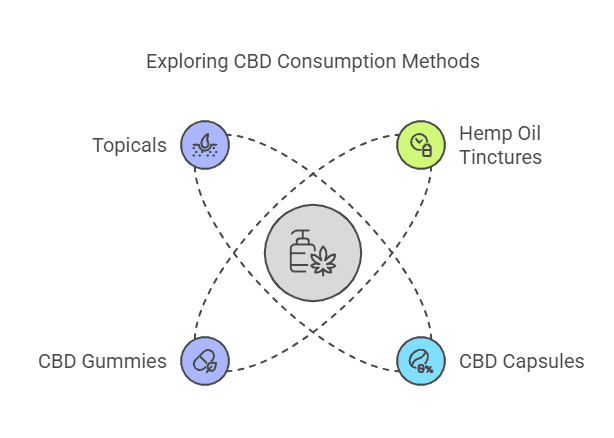
Consumers can take CBD in many forms. Popular nowadays are hemp oil tinctures which are used sublingually as they are fast-acting. There are also CBD capsules or gummies which are good alternatives for those who do not prefer the taste of oil but want a tasteless way of medicating. These are easy to carry and come pre-measured. Bone and muscle pains in specific areas can be treated with balms or creams, also known as topicals, which are to be applied on the skin. All of these methods have their advantages and disadvantages which makes selection subjective.
Consumer Reviews and Potential Side Effects
Most of the feedback that comes in for hemp products is positive. Many people have claimed to find relief from issues revolving around pain and anxiety. Some may suffer from side effects like drowsiness or dry, sticky mouth, confirming that dosage matters.
The Environmental Impact of Hemp: A Sustainable Solution
Hemp growing is far and beyond more eco friendly compared to many other plants, making it a go to for green living consumers and industries.
Carbon Sequestration and Soil Regeneration
Hemp is amongst the leading crops for carbon dioxide absorption which helps in cooling the limit atmosphere. The hemp plant is also helpful in fixing soil because of its deep roots.
Hemp as an Alternative to Synthetic and Non-Renewable Materials
Environment-friendly hemp is an excellent substitute to synthetic and non-renewable materials like textiles and even plastics. As hemp is biodegradable, it can be used in assortment of industries including construction and packaging as a replacement to anything petrochemical-based.
Supporting the Circular Economy with Hemp
Hemp contributes to the circular economy as products are created with the intention of recycling, regeneration, and reuse. Biodegradable plastics are products made from hemp and can easily be recycled and put back on the market, decreasing waste and the need from non-renewable resources.
Legal and Regulatory Framework for Hemp
The passing of the 2018 Farm Bill is a landmark change for the United States ‘legal landscape’ on hemp cultivation, as it legalised and removed it from controlled substances list[4].
Key Provisions of the 2018 Farm Bill
The 2018 Farm Bill made the farming of hemp legal in the U.S and also provided rules for its growing, processing, and selling. It enabled farmers to cultivate hemp for industrial and wellness purposes, hence classifying hemp as an approved crop at the federal level.
Role of the USDA and FDA in Hemp Oversight
Regulation of hemp farming in the United States of America entails supervision by the United States Department of Agriculture (USDA) and the Food and Drug Administration (FDA). These two authorities focus on ensuring that federal requirements are met, especially with regards to the content of THC and overall safety of the product.
Remaining Legal Challenges for Hemp Farmers
Hemp farming is permissible under federal laws, however, it is subjected to state regulations, banking limitations, and issues associated with THC content testing. All of these remain a hurdle for farmers. More legal certainty is crucial for the industry’s optimal development.
The Future of Hemp in the United States: Innovations and Policy Changes
Developments in hemp processing, like better CBD extraction techniques and advancements in hemp fiber production, are helping broaden the use of hemp-derived products.
Policymakers ought to update their regulations, provide financial aid to farmers, and facilitate hemp-based businesses to fully utilize its benefits.
Considering the increasing popularity of sustainable products, it can be especially profitable in the construction business, textiles, and even food.
Conclusion
Since 2018 Farm Bill, the legal standing of hemp has become much better and so has the potential for businesses and innovations around it. From the wellness sector to the food industry to fabrics, hemp is an incredibly functional and environmentally friendly plant that can be utilized everywhere. The entire industry does have setbacks due to regulation, such as testing for THC content and changing policies from state to state. Since the hemp industry is still developing, its growth and sustainability in America will greatly depend on legal reforms and regulatory clarity.
Frequently Asked Questions
What is hemp
Hemp refers to a type of Cannabis Sativa grown mainly for industrial purposes. It contains very low amounts of THC, unlike marijuana and is therefore Non-intoxicating.
How is hemp different from marijuana
Hemp and marijuana originate from the Cannabis sativa plant, however, hemp has a THC content below 0.3% whereas marijuana contains sufficient amounts to induce psychoactive effects.
What is the legal status of hemp in the U.S.
Hemp was legalized in the U.S. after the introduction of the 2018 Farm Bill which authorized its cultivation, manufacture, and distribution. Still, guidelines for its THC concentration and states regulations has to be followed.
Can hemp be used in food products
Hemp seeds and hemp seed oil are rich in key fatty acids and fibers which makes it a good source of nutrients, and is used in numerous food products.
What are the benefits of hemp
Apart from food, one can use hemp in textiles and other wellness products. It is also eco-friendly since it has a carbon sequestering capacity.