Cannabis-infused olive oil is one of the ‘go-tos’ for adventurous cooks, wellness seekers, and really anyone looking to spice up homemade edibles with an easy and healthy twist. You’re about to discover how to create your own infused oil at home, how to adjust potency to fit your flavor preferences, and which methods can help preserve the beneficial compounds in your cannabis. Whether you’re aiming for the milder effects of non-intoxicating THCA or looking to harness the full potency of THC, this guide has your back.
Key Takeaways:
- Cannabis-infused olive oil is a versatile canna oil that can be utilized in so many recipes.
- It means proper steps like decarboxylation, low heat, and good straining help retain potency and flavor.
- One must always start low and increase the dose gradually to get that ideal mix of flavor and desired taste.
What Is Cannabis-Infused Olive Oil, and Why Make It?
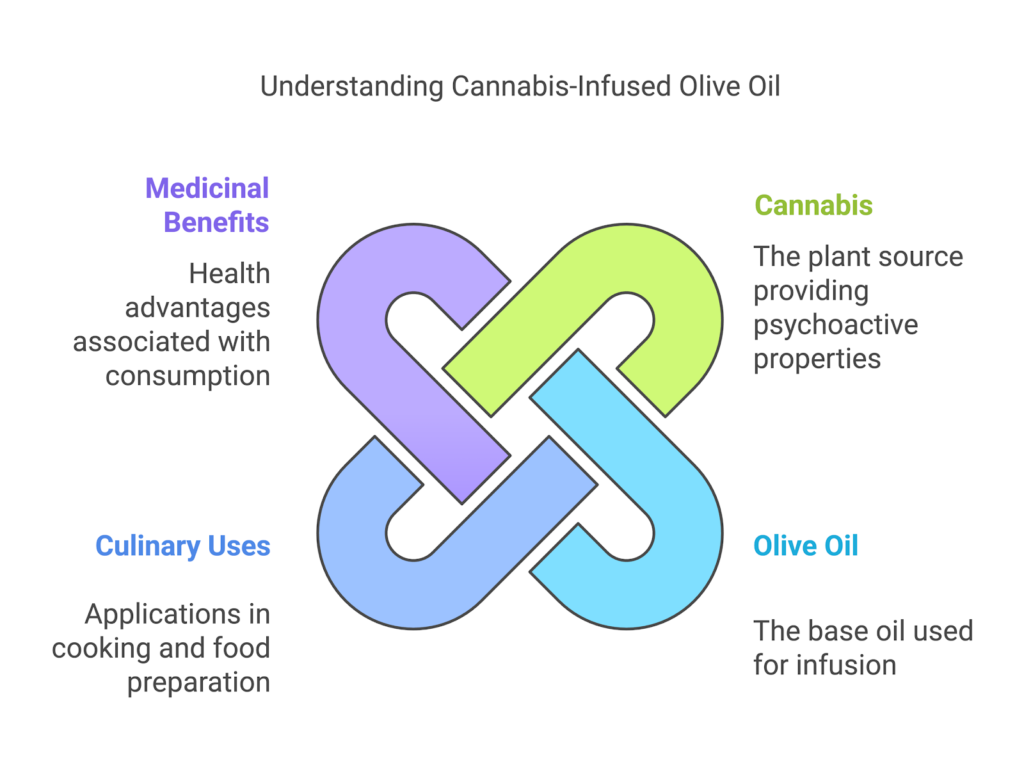
It is pretty much what the name suggests: a homemade infusion of ground cannabis flower into olive oil. You may be asking yourself if you really need some new infusion in the kitchen, but trust us; this infused olive oil may just open quite a world of cooking possibilities because low heat with gentle extraction preserves more natural compounds in the plant while providing for delicious results.
The Basics of Cannabis Infusions
Making cannabis-infused oil is one of the easiest cooking ventures that you’ll be doing. Using a saucepan or a double boiler, ground cannabis flower is infused into olive oil—though coconut oil does work great if you choose to use this instead. A mesh strainer and a bit of parchment paper are always good to pick out any leftover plant bits that may also affect the flavors or textures that you want.
The following are some reasons why cannabis infusions are so popular these days.
- You can add cannabinoids to any everyday recipe, whether it’s sweet treats or savory sauce recipes.
- They make it easy to experiment with different dose levels by adjusting how much ground cannabis flower you use.
- You can store infusions for at least two months, giving you enough time to try different foods, from baked goods to main courses.
From the time you have successfully infused cannabis, you may never go back to your packaged cooking oils.
Choosing Your Infusion Method
Different methods exist for making infused olive oil, and each has its perks. One popular choice is the stovetop method using a stock pot filled with water, acting as a double boiler. You can also place a jar containing your oil and cannabis flower on a baking sheet in the oven at a controlled temperature.
Consider the following pros and cons when selecting a technique:
- Stovetop method: Faster but requires constant temperature checks to avoid burning the weed.
- Oven method: More hands-off but might require more attention to preheat settings.
- Slow cooker method: Great if you need a “set it and forget it” approach.
Pick a method that matches your comfort and schedule, ensuring you infuse at the ideal temperature to preserve important compounds like THC.
How Do You Decarboxylate Cannabis for the Best Results?
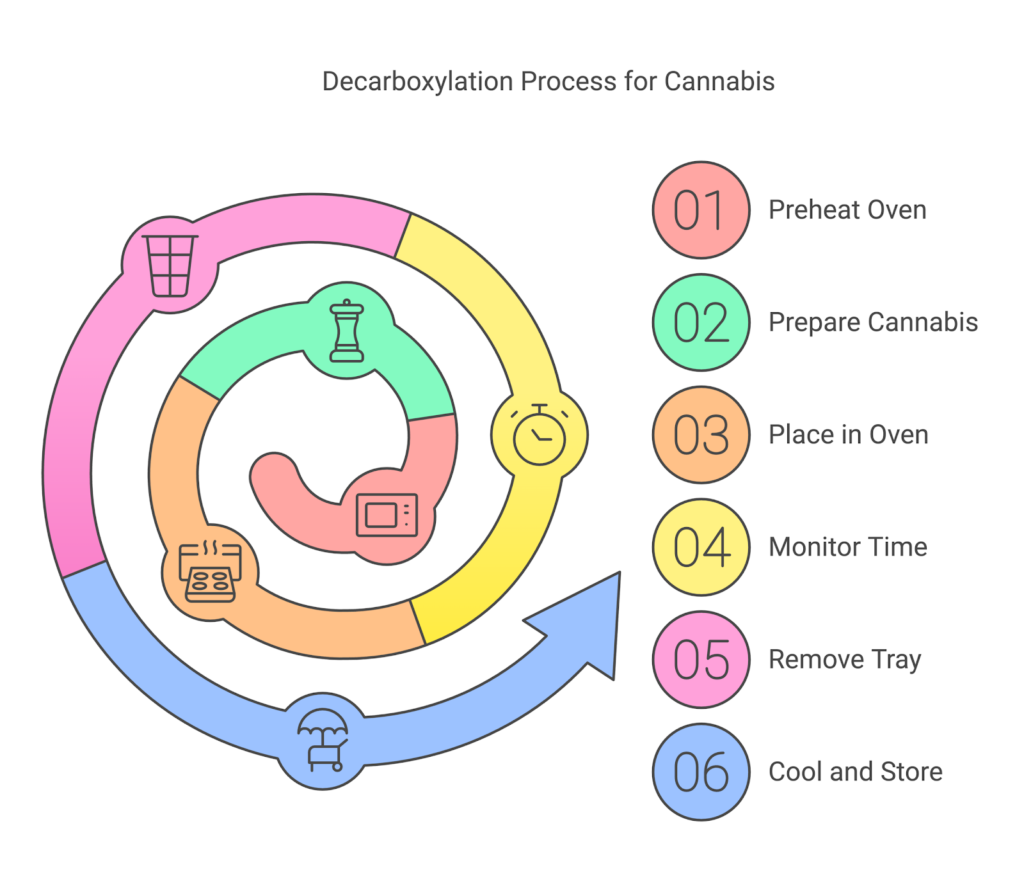
Decarboxylation is the process of gently heating your ground cannabis flower to convert the non-intoxicating THCA into active THC. If you skip this step, you’ll likely end up with milder effects or virtually no buzz at all. Even if you prefer a healthy, low-THC product, you still need a bit of decarboxylation for that sweet spot of flavor.
Oven Decarboxylation vs. Stovetop Approaches
Decarboxylating in the oven is most people’s go-to. You simply preheat to around 220°F (around 105°C), spread your buds on a baking sheet lined with parchment paper, and let them toast for roughly 30 to 45 minutes. Keep an eye on the temperature to avoid scorching, which can drop your final potency.
Below, find reasons why the oven method often wins:
- Consistent heat distribution for thorough decarboxylation.
- Easy to monitor through the oven’s built-in thermometer.
- Ideal for larger batches of plant material.
If you’re new to decarboxylation, consider dividing your cannabis in half—one portion for a thorough decarb, another for a shorter time—so you can compare effects.
Tips to Preserve Flavor and Benefits
Once you decarboxylate, you will smell a pungent odor coming from your kitchen. This is normal, and the aroma can be contained by using a covered dish or proper ventilation. Some cooks even grind the cannabis to a finer grain than they would for cooking, although after decarboxylation, which can retain some of the flavor.
- Start low and gradually increase your dose to find your comfort zone.
- Allow the cannabis to cool before incorporating it into the oil to avoid sudden temperature changes.
- Strain carefully to remove excess plant matter and maintain a smoother taste in your infusion.
Decarboxylation is the foundation of any canna oil, so invest time into learning the technique that suits your schedule and taste preferences.
What’s the Best Way to Infuse Your Olive Oil with Cannabis?

After decarboxylating, you can mix your cannabis with olive oil to create the perfect infused oil. You might wonder how to choose the right ratio or how long to let the mixture simmer. The answer depends on your potency goals and your personal flavor priorities.
Ideal Temperature and Timing for Infusion
One crucial factor when infusing cannabis into olive oil is maintaining low heat—somewhere between 160°F and 220°F. You can use a saucepan on the stove or a double boiler to keep things gentle. Your infusion time can range from 2 to 4 hours, depending on how strong you want your canna oil to be.
Let’s consider a few guidelines to keep your infusion on track.
- Avoid boiling the oil: high heat risks burning off cannabinoids and altering flavor.
- Stir occasionally: this helps evenly distribute the plant material and ensures uniform potency.
- Consider using a thermometer: consistent temperature leads to more predictable results.
A careful infusion phase ensures you don’t lose any valuable compounds while also boosting that delicious cannabis taste.
How to Strain and Store Your Infused Olive Oil
Once your mixture has gently simmered, you’ll want to run it through a mesh strainer or cheesecloth to separate the plant material. Make sure to squeeze out every last drop of oil without letting too many tiny particles slip through.
Here are some important storage recommendations:
- Store in an airtight jar or bottle to protect from oxygen and contaminants.
- You should create a label for the jar with the date and strain so you remember the strength and flavor profile.
- A quick note: keeping a record of what weed variety you use can actually help you repeat or enhance your cannabis-infused olive oil next go-round.
Now that you’ve made your infused oil, here’s how you can use it in mouthwatering ways.
How Can You Use Cannabis-Infused Olive Oil in Everyday Recipes?
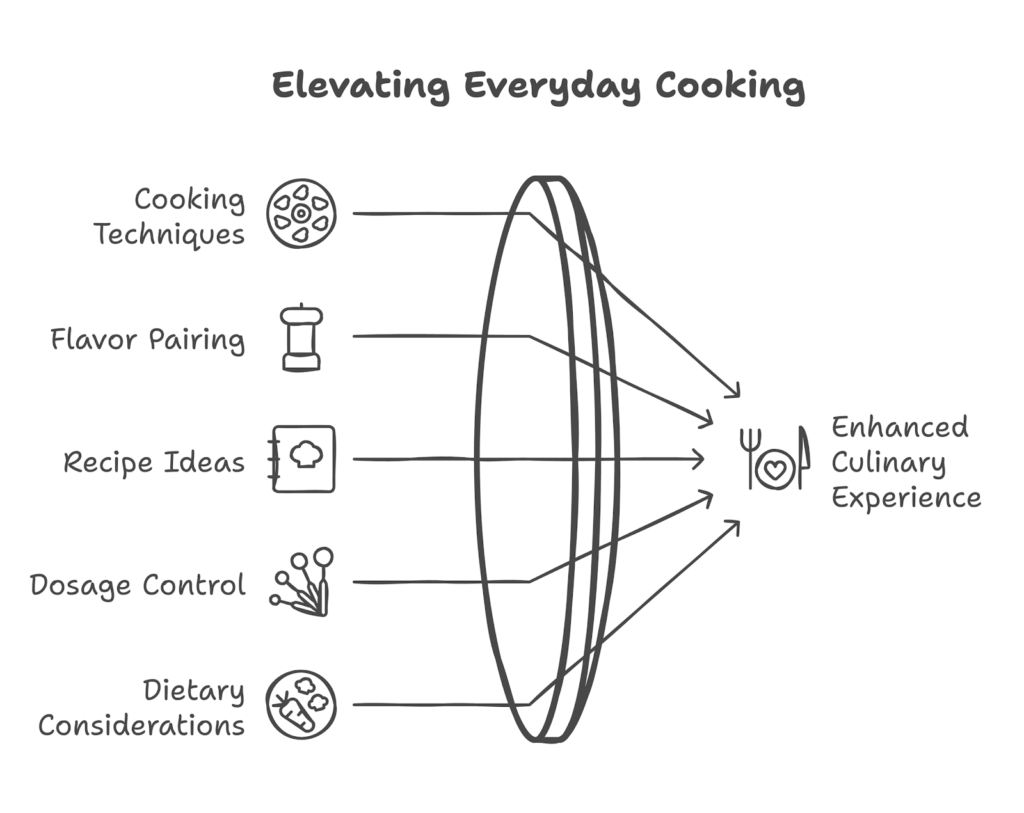
It is probably intimidating to start with, but adding cannabis to your food isn’t nearly as difficult as you think it would be. You can use infused olive oil to take even the simplest recipes and make them deliciously, potently, or even sedatively strong, depending on the dosing.
Infusing Oil in Your Recipes
You can drizzle cannabis-infused olive oil on salad or use it as a base for sautéing vegetables. It also works wonders in pasta sauces, soups, or any dish where you’d usually add regular olive oil. Just be mindful of the heat level, as using extremely high temperatures for frying might degrade THC or other cannabinoids.
Here are some tasty ways to use your infusion:
- Toss it in pasta, rice, or roasted vegetables for a subtle flavor boost.
- Stir it into dips like hummus or guacamole for a mild buzz.
- Combine it with sweet ingredients like honey or chocolate in baked goods for a unique dessert.
No matter which recipes you choose, keep your overall dose in check for an enjoyable experience.
Diluting and Dosing Tips
If you’re new to homemade edibles or uncertain about potency, you can always dilute your infused olive oil with uninfused oil to lower the THC concentration. This method works great when cooking for friends who might want milder effects.
Some helpful dosing tips:
- Start with half a teaspoon in your recipe and see how you feel before adding more.
- Keep track of how much THC you consumed per serving to stay within your comfort zone.
- Gradually increase the amount in your recipes over time if you want stronger effects.
Each person’s tolerance varies, so dosing is highly individual. Safety first—always start low.
Conclusion
Making your own cannabis-infused olive oil isn’t just a trend, but it’s a game changer for someone who’s adventurous with the idea of exploring more delicious dishes and harnesses properties from the plant. From decarboxylating your buds on a baking sheet to fine-tuning your infusion techniques, every step matters in unlocking that perfect taste and potency. If you’re thoughtful about your process—from selecting quality plant material to monitoring your heat—you’ll end up with a delicious, versatile canna oil that can elevate countless dishes. Ready to dive in? Now, let’s get going with your ground cannabis flower, a mesh strainer, and an oven thermometer. The infusion magic is about to start. Enjoy how cannabis can make even the most mundane cooking an inspiring, flavorful adventure.
Frequently Asked Questions
Can I Use Other Oils Besides Olive Oil?
Yes! Coconut oil is a popular alternative due to its high saturated fat content. You can also try avocado or grapeseed oil for unique flavor profiles.
What’s the Shelf Life of Cannabis-Infused Olive Oil?
Stored in a cool, dark place, infused oil lasts at least two months. Watch for changes in color or smell to avoid consuming rancid oil.
How Do I Adjust the Potency?
To reduce strength, dilute with uninfused olive oil. To increase potency, infuse more buds. Adjust gradually and record your process for better future batches.