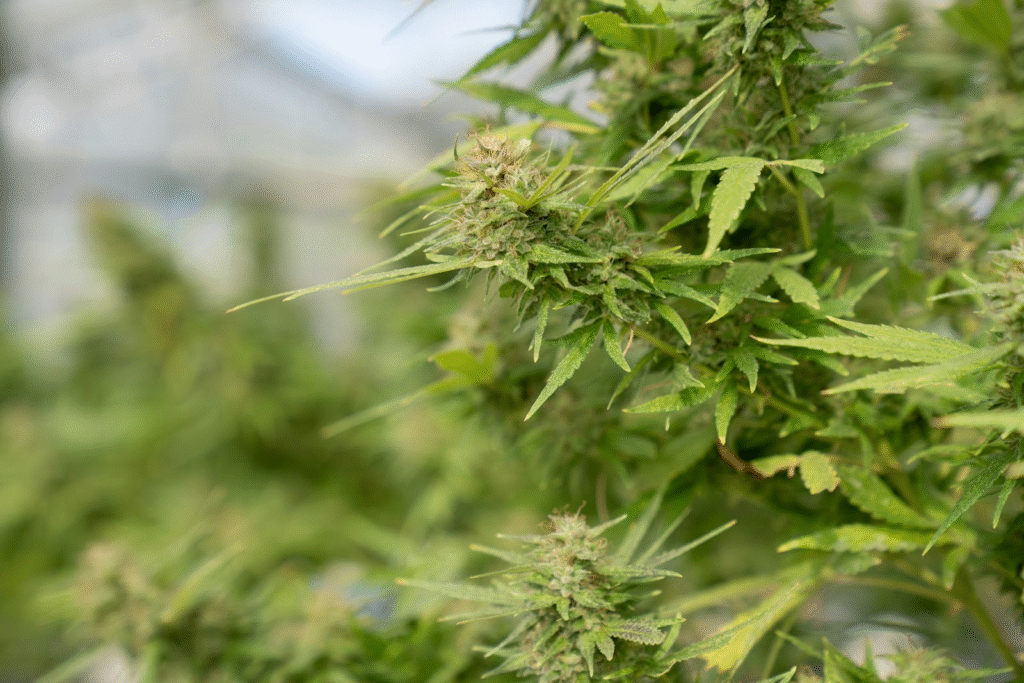
Over the last several decades, cannabis has transformed from simple dried cannabis flower to a growing number of potent edibles, concentrates, and beyond. As the cannabis industry expands and state law continues to shift, THC potency has become a core consideration for anyone exploring cannabis use—whether for medical treatment, recreational enjoyment, or research purposes. You might be curious about how much THC products contain these days, how they affect users, and the health consequences that can arise from high-potency cannabis use.
Key Takeaways
- Cannabis products now feature higher THC concentrations, raising concerns about withdrawal syndrome, brain development issues, and addiction risks.
- High-potency cannabis may trigger psychosis, heart problems in vulnerable individuals, and long-term effects, particularly in young or frequent users.
- Knowing THC content, dosage, and limits is essential to minimize risks, improve public health, and guide treatment options.
What Influences THC Potency in Cannabis Products?
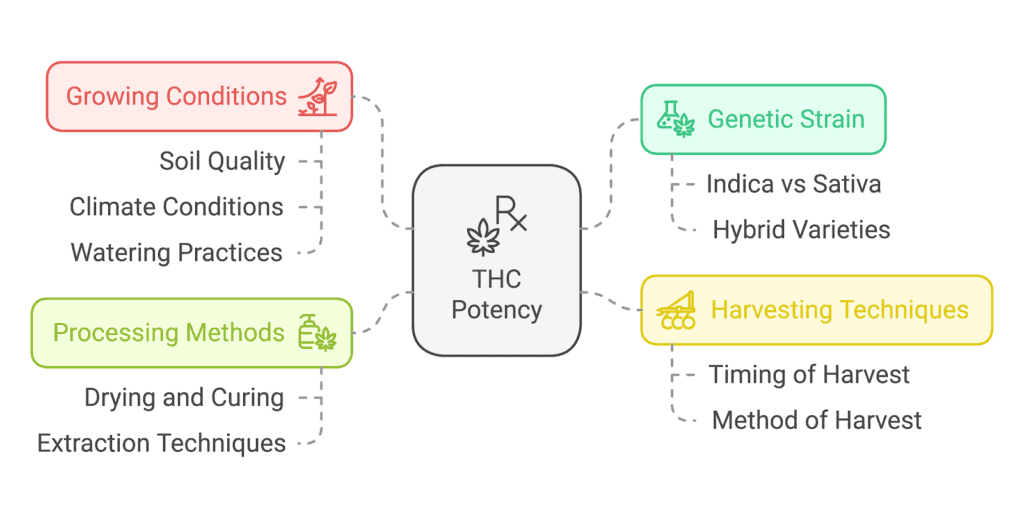
Modern cannabis products owe their potency to a variety of factors, including advanced cultivation methods, selective breeding for higher THC concentration, and innovations in extraction technology. Essentially, you’re seeing stronger cannabis than ever before due to careful manipulation of genetics and technological breakthroughs.
From Cannabis Flower to Concentrates
Over the last several decades, cannabis cultivators have developed strains with higher THC percentages by selectively breeding plants that exhibit particularly potent traits.
- This “supercharged” breeding can dramatically boost THC content in cannabis flower, leaving you with more potent options at cannabis dispensaries.
- Edibles like gummy bears often use concentrated cannabinoids, elevating the overall dose in a single serving.
Before you dive into these stronger products, remember that potency significantly impacts how quickly consequences might arise. Even one study showed a clear link between high potency cannabis and the onset of psychotic symptoms.
Role of Genetics and Technology
Genetics and modern technology have revolutionized how cannabis is produced.
- Advanced extraction methods refine raw plant material into potent substances like oils, shatter, or wax, often boasting sky-high THC concentrations.
- Researchers also use cutting-edge horticulture techniques to ensure that each plant has the ideal environment for maximizing THC percentages.
This combination of powerful genetics and extraction has fueled the upward trend in potency. In recent years, it’s common to find cannabis with total THC levels of 25-30% or more.
How Does High-Potency Cannabis Affect Your Brain and Body?
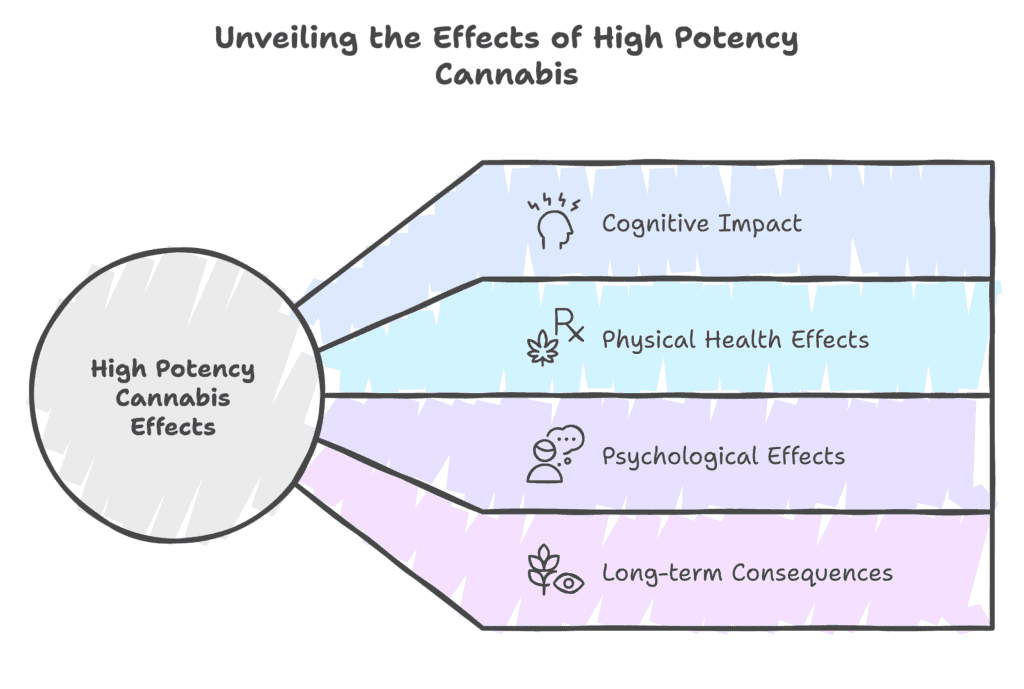
It’s going to strongly interact with your endocannabinoid system. It will affect not only the intensity of your high but also has health risks. You will experience more euphoric highs initially, but you are going to be at higher risk for substance abuse and negative consequences, such as cannabis withdrawal syndrome.
Brain Development and Risk-Taking
Children, adolescents, and young people are especially vulnerable to the effects of potent cannabis.
- Animal studies and human data suggest that early exposure can disrupt brain development and lead to heightened risk-taking behaviors, anxiety, or even psychosis.
- There is also concern that these potent substances might cause negative health consequences, particularly when smoking or vaping frequently.
Before delving into these products, consider the potential for effects on your mental health, including psychotic symptoms and the possibility of addiction. Even though medical and recreational cannabis use has grown, researchers advise caution in light of these findings.
Short-Term and Long-Term Effects
Potent cannabis can cause withdrawal symptoms when you stop or reduce usage, especially after prolonged periods of high potency cannabis use.
- These symptoms often include irritability, mood swings, and sleep disturbances, illustrating that cannabis withdrawal syndrome is a real challenge for many users.
- In the long term, smoking potent cannabis might be tied to heart attacks in high-risk individuals or lead to other harmful conditions related to continuous high-dose consumption.
Take a step back and note that, while many people consume marijuana and enjoy its relaxing or euphoric effects, the negative effects can mount if you don’t keep an eye on how much THC you’re ingesting. Cannabis use demands responsibility, and ignoring THC-potency can steer you toward harmful outcomes.
Between these sections, let’s compare typical THC concentrations in various cannabis products to give you an idea of how potency stacks up.
| Product Type | Approximate THC Range |
| Cannabis Flower (traditional) | 10% – 20% THC |
| Concentrates (e.g., wax/shatter) | 50% – 80% THC |
| Edibles (e.g., gummy bears) | Varies (5mg – 50mg+ THC) |
| Vape Cartridges | 70% – 90% THC |
Looking at this chart, it’s obvious that concentrates and some edibles have much higher THC content than the typical cannabis flower of decades past, underlining the evolution of cannabis potency.
Why Does High THC Content Matter for Public Health and Substance Abuse?

Understanding high THC content is crucial because it helps address public health concerns, mitigate substance abuse, and guide how state law might set guidelines for cannabis dispensaries and cannabis products.
Negative Effects and Psychotic Symptoms
Public health experts warn that high-potency cannabis use has been linked to negative health consequences such as psychotic symptoms, paranoia, and heightened anxiety.
- Cannabis use among vulnerable people, particularly those with a family history of mental illness or who are still developing mentally, could escalate these issues.
- If left unaddressed, frequent ingestion of potent cannabis may require medical or psychiatric treatment.
Before stepping away from these findings, keep in mind that the Drug Enforcement Administration (DEA) may continue to monitor how potency intersects with substance abuse, as well as how it impacts public health.
Strategies to Limit Harm
Experts in the fields of psychiatry and medicine suggest the following strategies to reduce risks:
- Know Your Dose: Understanding how much THC is in a product—be it a flower, concentrate, or edible—allows you to gauge your tolerance and avoid overconsumption.
- Start Low and Go Slow: Begin with small amounts of THC. This approach can help you manage symptoms like anxiety and paranoia, which often accompany overconsumption.
- Seek Professional Advice: If you or someone you know struggles with addiction or withdrawal symptoms or is experiencing negative consequences, seeking professional medical advice could be a game-changer.
Understanding your personal tolerance and monitoring your usage can help you stay informed and safe, this is especially true for susceptible individuals who frequently use high potency cannabis.
Where Is Cannabis Potency Headed in the Future?
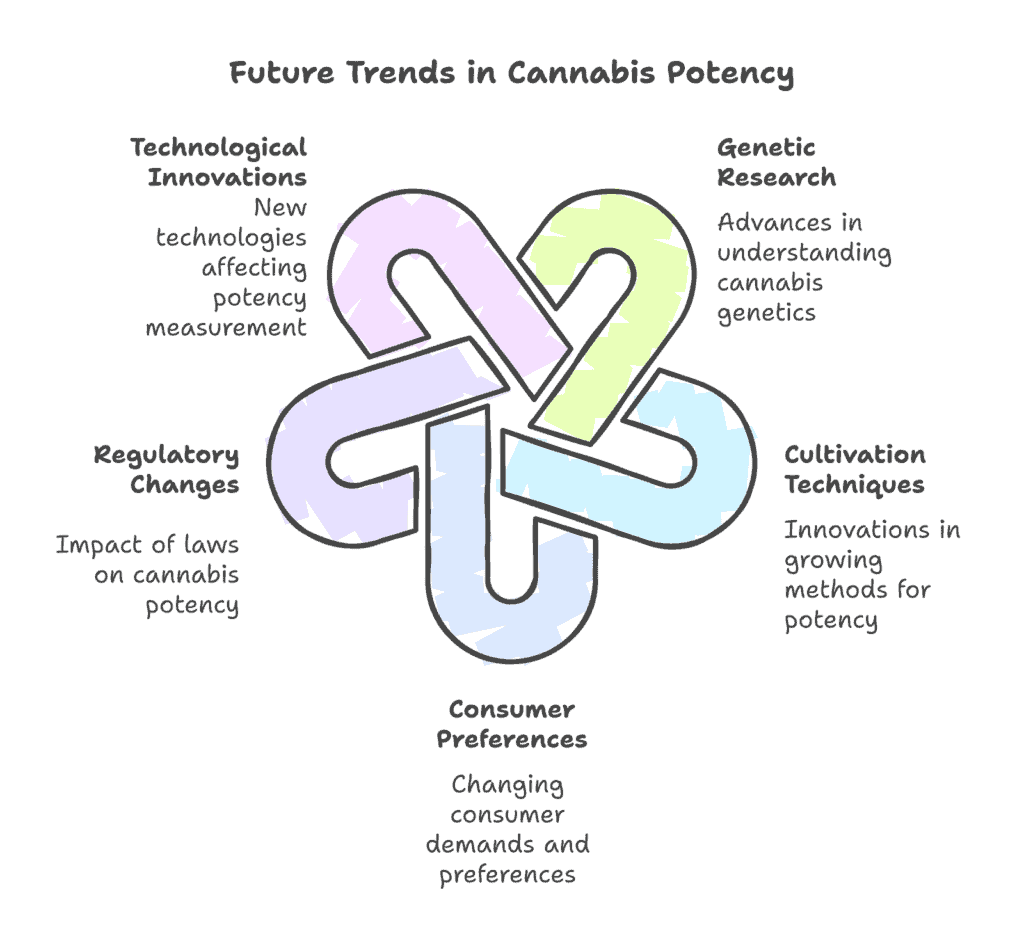
You can anticipate that THC percentages will continue to climb as technology and consumer demand push the cannabis industry forward. As more states and countries explore legalization, potent cannabis is likely to remain at the forefront of product innovation.
Evolving Consumer Trends
People often search for the strongest strains or edibles, which encourages growers and manufacturers to focus on higher THC content.
- This trend might continue fueling a market for super-potent substances, drawing curious users and raising concerns about possible negative health consequences.
- A clear link exists between continuous demand for potent products and the introduction of new lines like high-potency gummies or vape oils.
Think about how these consumer trends can lead to a cycle: the more potent the product, the more buzz it generates in the marketplace, which in turn pushes the development of even stronger cannabis.
Balancing Innovation with Safety
As cannabis becomes more mainstream, a growing number of researchers and public health experts emphasize the importance of responsible consumption.
- Future developments may include new guidelines, regulations, or standardized measures for THC content to protect children, teens, and other at-risk populations.
- Ongoing double-blind studies, data collection, and collaboration between scientists, the cannabis industry, and lawmakers could eventually yield safer, more consistent cannabis products.
A crucial takeaway here is that you can stay informed about potency by reading product labels, following recommended doses, and keeping track of your personal experiences. This approach helps you enjoy the evolving world of cannabis without overlooking potential dangers.
Conclusion
Cannabis has evolved from simple flower strains to potent concentrates with THC soaring to great heights. With the legalization process taking its pace and dispensaries sprouting everywhere, it is high time to be reminded of the risks associated with high-potency products, such as withdrawal symptoms, mental health issues, and dependency. Knowledge about your THC intake and staying informed will make you enjoy cannabis responsibly and safely.
Frequently Asked Questions
Can high-THC cannabis cause addiction?
Yes, stronger cannabis increases the risk of dependency by making it harder to control usage.
Are edibles safer than smoking?
Not always. While they spare your lungs, edibles often deliver higher THC doses, leading to stronger effects.
How can I reduce risks?
Start with low-THC products, monitor your dose, and consult a doctor if you experience adverse effects.