General Strain
🌱 Cannabis
Introduction
Cooking with cannabis is a delightful way to infuse your culinary creations with the plant’s unique flavors and effects. Whether you’re a seasoned chef or a kitchen novice, using cannabis in your recipes can elevate your meals and provide relaxing or uplifting experiences. This guide will walk you through the basics of cooking with cannabis, share some delicious edible recipes, and provide a dosing guide to ensure you enjoy your creations responsibly.
Understanding Cannabis Cooking Basics
Before diving into recipes, it’s crucial to understand how cannabis works in cooking. The main psychoactive compound in cannabis is delta-9-tetrahydrocannabinol (THC), but the plant contains various cannabinoids and terpenes that contribute to its effects and flavors. Here are some essential aspects to keep in mind:
Decarboxylation
Cannabis needs to undergo decarboxylation to activate its psychoactive properties. This process involves heating the plant material to convert THCA (non-psychoactive) into THC.
How to Decarb Cannabis:
- Preheat your oven to 240°F (115°C).
- Break up your cannabis flowers and spread them evenly on a baking sheet lined with parchment paper.
- Bake for about 30-40 minutes, stirring occasionally to ensure even heating.
- Allow it to cool before using in your recipes.
Choosing the Right Strain
The strain you choose can affect the flavor and effects of your dishes. Indica strains are typically more relaxing, while sativa strains can offer uplifting effects. Hybrid strains can provide a balance of both. Consider the desired effects when selecting your strain.
Infusing Cannabis into Cooking Oils and Butters
To cook with cannabis, you’ll often need to infuse it into an oil or butter. Here’s a simple method to create your own cannabis-infused oil or butter:
Cannabis-Infused Olive Oil
Ingredients:
- 1 cup olive oil
- 7-10 grams of decarboxylated cannabis
Instructions:
- In a saucepan, combine olive oil and decarboxylated cannabis.
- Heat gently on low for 2-3 hours, stirring occasionally. Be careful not to let it boil.
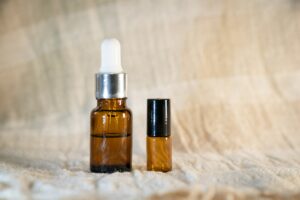
- Strain the mixture through cheesecloth or a fine mesh strainer into a clean jar.
- Store in a cool, dark place for up to two months.
Cannabis-Infused Butter
Ingredients:
- 1 cup unsalted butter
- 7-10 grams of decarboxylated cannabis
Instructions:
- Melt butter in a saucepan over low heat.
- Add decarboxylated cannabis and simmer on low for 2-3 hours.
- Strain through cheesecloth or a fine mesh strainer into a container.
- Refrigerate to solidify.
Delicious Cannabis Edible Recipes
Now that you have your infused oil or butter, it’s time to create some delicious cannabis-infused edibles!
Cannabis-Infused Brownies
Ingredients:
- 1 cup sugar
- 1/2 cup cannabis-infused butter
- 2 large eggs
- 1 teaspoon vanilla extract
- 1/3 cup unsweetened cocoa powder
- 1/2 cup all-purpose flour
- 1/4 teaspoon salt
- 1/4 teaspoon baking powder
Instructions:
- Preheat your oven to 350°F (175°C) and grease a baking dish.
- In a mixing bowl, combine sugar and cannabis-infused butter.
- Beat in eggs and vanilla extract until smooth.
- Stir in cocoa powder, flour, salt, and baking powder until well combined.
- Pour the batter into the prepared dish and bake for 20-25 minutes.
- Allow to cool before cutting into squares.
Cannabis-Infused Salad Dressing
Ingredients:
- 1/2 cup cannabis-infused olive oil
- 1/4 cup balsamic vinegar
- 1 tablespoon Dijon mustard
- Salt and pepper to taste
Instructions:
- In a bowl, whisk together cannabis-infused olive oil, balsamic vinegar, and Dijon mustard.
- Season with salt and pepper to taste.
- Drizzle over your favorite salad for a delicious twist.
Dosing Guide for Edibles
When cooking with cannabis, dosing becomes crucial to ensure a pleasant experience. The potency of your edibles will depend on the strength of the cannabis you used and how much of it you added to your recipe.
General Dosing Guidelines
- Start Low and Go Slow: If you’re new to edibles, begin with a small dose (5-10 mg of THC) and wait at least 1-2 hours before consuming more.
- Calculate Dosage: To estimate the THC content in your infused oil or butter, divide the total THC content of the cannabis used by the number of servings in your recipe.
Example: If you used 10 grams of cannabis with 20% THC, that’s 2000 mg of THC. If your brownie recipe yields 16 servings, each brownie would contain approximately 125 mg of THC. Adjust accordingly!
Practical Tips for Cooking with Cannabis
- Keep a Journal: Track your recipes, dosages, and effects to find what works best for you.
- Be Mindful of Flavors: Cannabis can have a strong taste; consider the strain’s flavor profile when incorporating it into dishes.
- Store Properly: Infused oils and butters should be kept in cool, dark places, and labeled clearly to avoid unintended consumption.
Conclusion
Cooking with cannabis opens up a world of culinary possibilities, allowing you to experiment with flavors and effects in your kitchen. Whether you’re baking brownies or creating a fresh salad dressing, understanding the basics of cannabis infusion and dosing will help you enjoy your edibles safely and responsibly. Always remember to start with small doses, and most importantly, have fun exploring the art of cannabis cooking! Happy cooking!