There is something special about making your own cannabutter at home. Not only do you get to control the potency and flavor, but you can also explore endless recipe ideas for homemade edibles. Whether a beginner or an accomplished edibles connoisseur, the art of making cannabutter can unlock a totally new world of edible creativity. Read on to learn how to make weed butter, its various applications in both desserts and savory dishes, and some other infusion techniques using cannabis flowers to add it to butter or oil. Let’s get started!
Key Takeaways
- You must decarboxylate (or “decarb”) your cannabis buds or raw cannabis on a baking sheet before beginning the infusion process.
- Choose your favorite fat—unsalted butter, coconut oil, olive oil, or even avocado oil—to create cannabis infused butter that suits your taste.
- Properly store cannabutter in an airtight container for about an hour in the fridge to set, then keep it chilled or frozen for an extended shelf life.
Why Should You Make Cannabutter at Home?
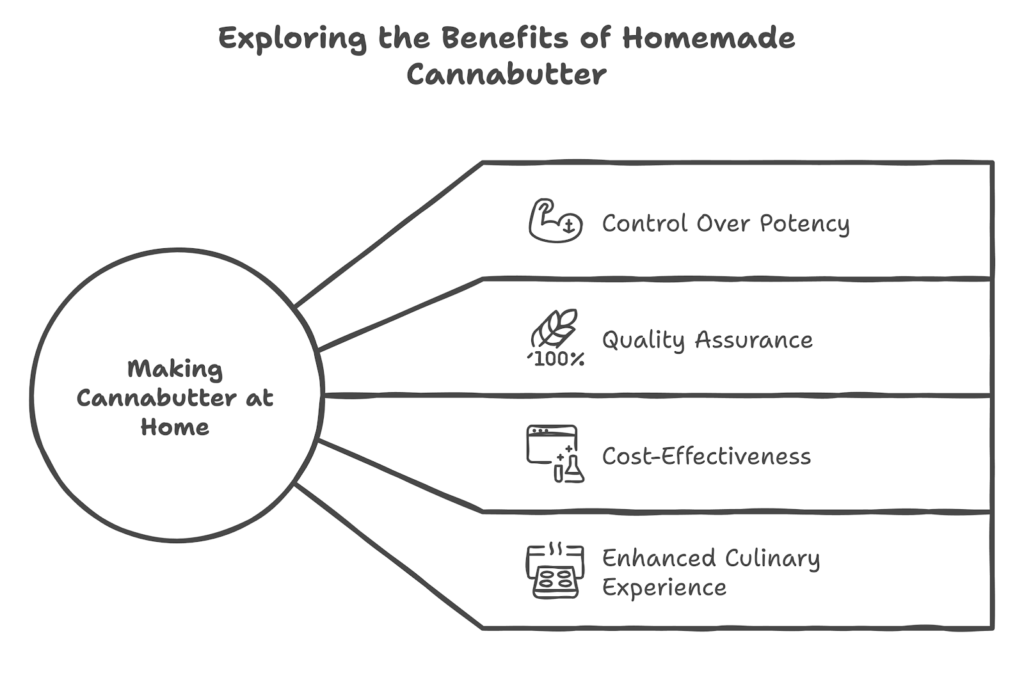
Because a homemade cannabutter recipe grants you full control over dosage, flavor, and freshness.
Better Control Over Potency
When you’re making weed butter at home, you can decide how strong the cannabutter should be. For instance, using more cannabis versus less butter can ramp up the levels of THC and CBD. By choosing high-quality decarbed cannabis or precisely ground flower, you’ll get the compounds responsible for the effects you want. This ensures that the fat molecules in the hot butter absorb the cannabis effects evenly.
Before you get started, be sure to regulate temperature throughout the process. Maintaining low heat while stirring occasionally will help preserve the cannabis flavor without burning off the good stuff.
Cost-Effective and Convenient
Making homemade cannabutter, or canna butter, is mostly cheaper than spending your money on cannabis edibles at dispensary shops. Plus, it’s surprisingly easy to do. If you’re looking for a way to save some dough while still enjoying that tasty baked good or savory recipe, then making butter from your plant material may be the perfect solution. You can even use tools like a crock pot, slow cooker, or that magical butter machine to make it easy.
Another advantage? Butter makes everything taste better. Marijuana butter will make boring dishes a little special. Why not make a large batch, freeze or refrigerate your cannabutter, and use it whenever an idea for new cuisine strikes your fancy?
Many want a reserve of cannabis oil in olive oil, vegetable oil, or coconut oil. It is exactly similar to canna butter in a sense. Cannabis oil can be a dairy-free alternative, and most people would find an oil-based approach as desirable.
Here’s a quick tip: If you want a green color in your finished product, you can skip filtering out all the plant matter. However, fully straining out the plant material through a cheesecloth can help reduce the stronger herbal taste.
What Are the Key Steps in Making Cannabutter?
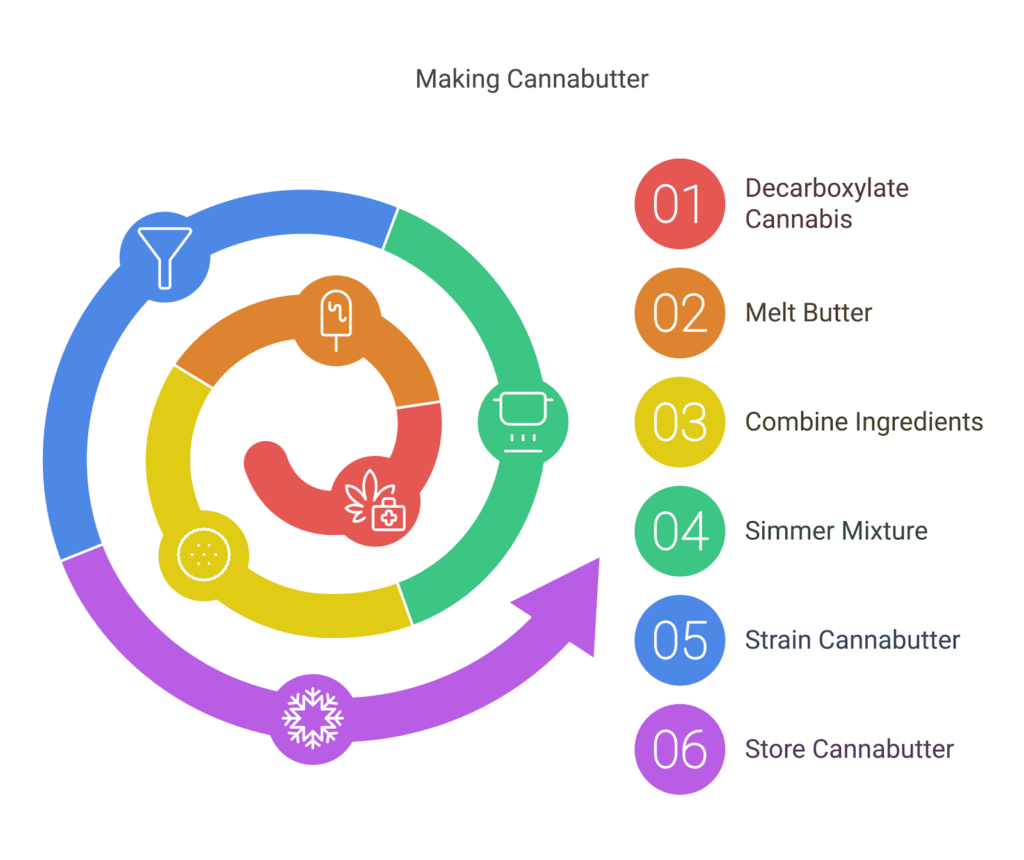
It involves decarboxylated cannabis infused into butter or oil over low heat.
Decarboxylation
The first critical step in making weed butter is decarbing or decarboxylating cannabis. This process converts the inactive compounds into active ones (THC and CBD). You’ll need:
- Raw cannabis or cannabis buds
- A baking sheet or a parchment lined baking sheet (you can also use parchment paper or aluminum foil)
- An oven preheated to around 220–240°F (about 105–115°C)
Place your ground flower on the baking sheet, spread it evenly, and decarb for about an hour or until it turns a light brownish color. This decarbed flower can then be crushed into a fine powder using a food processor or even your fingers, ensuring maximum surface area for the infusion process.
You want to know that decarbed weed is essential for cannabis infusion. Skipping this step will result in mild or nonexistent cannabis effects.
- Use a low oven temperature to avoid burning.
- Monitor your raw cannabis closely.
- Aim for a toasty, light brown color, not too dark.
Remember: overdoing it can degrade the beneficial compounds, so don’t exceed a full boil or a too-high temperature in your oven.
Infusion Methods
After decarboxylation, combine your decarbed cannabis with melted butter or coconut oil, depending on your preference. This can be done in several ways:
Each method differs mainly in how you regulate temperature, and all should use low heat while ensuring the mixture never reaches a full boil.
- Stovetop (Double Boiler): Heat water in the bottom pan and place another pan or bowl on top, adding your melted butter and decarbed weed.
- Slow Cooker or Crock Pot: Set on low, combine unsalted butter (or regular butter) with your ground plant matter, and let it simmer for a few hours.
- Magical Butter Machine: An automated device that handles heating, stirring occasionally, and timing.
Using a mason jar sealed inside a turkey bag is another trick for odor reduction. You can place the jar in a gently heated water bath, preventing strong smells from spreading.
Tips for a Potent Cannabutter
Filtering your infused butter through a cheesecloth removes plant matter, giving a smoother consistency to your cannabis butter. This way, you get a clean cannabis flavor without stray bits.
If you want to make your marijuana butter even more potent, focus on high-quality cannabis flower, lengthen the infusion process to a few hours, and keep everything at a gentle simmer—never letting it reach a raging boil. It’s also essential to store cannabutter in the fridge or freezer in an airtight container to preserve potency.
Feel free to experiment with coconut oil, olive oil, or avocado oil if you prefer to make canna oil instead of canna butter. The concept is the same: mix your decarbed cannabis with the fat, cook it gently, strain it, and enjoy!
How Do You Use Your Homemade Cannabutter in Edibles?
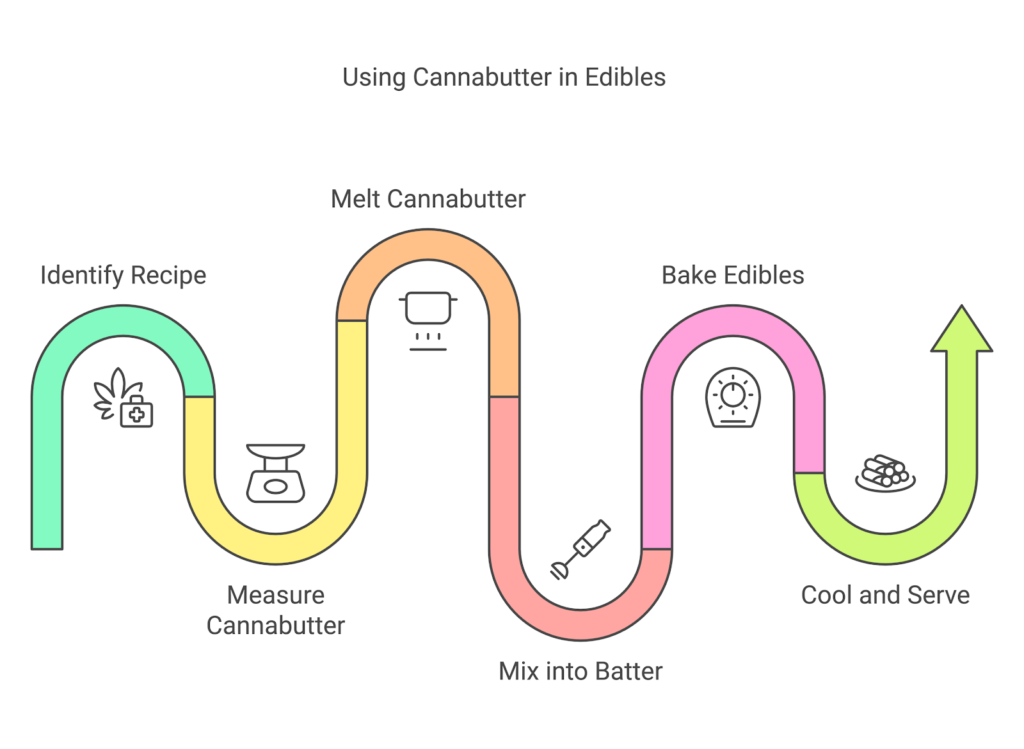
You can upgrade your baked goods and dishes by swapping regular butter with cannabis butter.
Sweet Baked Goods
Nothing beats the smell of freshly baked brownies or cookies made with potent cannabutter. Simply substitute regular butter with an equal amount of marijuana butter in your recipes. Whether you’re making cupcakes or a rich chocolate cake, cannabutter infuses your treats with a subtle cannabis flavor.
Remember to be mindful of dosage. If you’re sharing your homemade edibles with friends, let them know the approximate potency to avoid surprises.
- Muffins, cookies, and brownies all lend themselves to weed butter.
- Lower the temperature or cooking time slightly if you notice any off flavors.
- Consider using less butter or substituting a portion with regular butter to control potency.
Be sure to account for a half hour or so before you feel the full effects, as cannabis edibles usually need time to kick in.
Savory Recipes
From pasta sauces to grilled cheese, you can incorporate homemade cannabutter into endless savory recipes. Make your soups or stews richer by stirring in a bit of hot butter near the end of cooking, or add it to sautéed vegetables for that extra kick.
The goal is to maintain a gentle heat, so as not to degrade the THC and CBD in your infused butter.
- Use it as a finishing butter for fish or steaks.
- Mix it into mashed potatoes or drizzle over roasted veggies.
- Spread it on bread for a simple yet impressive treat.
Consider food styling by garnishing with fresh herbs to make your meals stand out even more.
Storage and Shelf Life
To store cannabutter, place it in a tightly sealed container and keep it refrigerated for up to two weeks. If you want it to last longer, freeze it for up to six months. Label your container clearly—especially if you share space with others—to avoid accidental consumption.
Which Fat Options and Tools Can Make Cannabutter Even Better?
You can swap butter or oil depending on your dietary preferences or taste profile.
Coconut Oil vs. Butter or Oil
If you’re looking to reduce dairy or want a different taste, try making cannabis oil with coconut oil, vegetable oil, or even olive oil. Each fat source has its own pros and cons:
Below is a quick comparison chart to help you pick the right fat for your needs.
| Fat Source | Flavor Profile | Pros | Cons |
| Butter | Rich, creamy | Easy to use, classic choice | Not suitable for vegans |
| Coconut Oil | Subtle coconut hint | Vegan-friendly, stable at higher heat | Possible coconut taste |
| Olive Oil | Mild to robust | Heart-healthy, versatile | Strong flavor for some |
| Avocado Oil | Neutral, buttery taste | High smoke point, healthy fats | More expensive |
| Vegetable Oil | Very mild | Budget-friendly, easy to find | Less distinct flavor |
No matter which fat you choose, the infusion process remains essentially the same, and you can still strain the mixture with a cheesecloth to remove unwanted plant matter.
Magical Butter Machine vs. Traditional Methods
If you value convenience, a magical butter machine can be a game-changer. It regulates the temperature, times the cycle, and takes care of stirring occasionally. Traditional methods, like using a crock pot or double boiler, require a little more hands-on monitoring, but they let you customize every stage of making butter or canna oil.
Regardless of your chosen method, always keep an eye on the heat and avoid letting your mixture reach a full boil. With patience and the right tools, you’ll have your very own potent cannabutter to use in all sorts of homemade edibles.
Conclusion
Congratulations! You now know the ins and outs of making canna butter, from preparing your decarboxylated cannabis to picking the perfect fat source. Whether you prefer unsalted butter, coconut oil, or olive oil, the process remains delightfully simple. Following these steps can whip up cannabis butter perfect for your favorite baked goods, sauces, and more. Experiment with different flavor combinations, keep your airtight container labeled, and enjoy the edible possibilities. Happy cooking!
Frequently Asked Questions
How long do I de-carb my cannabis?
For the most part, you will de-carb between 30 and 60 minutes with heat. You may also want to check your buds periodically to not burn them. Generally speaking you should begin by using 220-240°F or 105–115°C for the oven.
Do I smoke raw cannabis before decarbing?
Technically yes, but you will not feel the same cannabis effect. Without decarbed flower, your cannabis infusion will not release its THC and CBD properly, hence weaker edibles.
What’s the best way to store my cannabutter?
After straining out the plant material, keep your cannabutter in an airtight container in the refrigerator for up to two weeks or in the freezer for up to six months. Label your homemade cannabutter so others know it contains weed and handle it responsibly.