Have you ever wondered why some people seem to get more sensitive to marijuana over time, even though you might expect them to build a tolerance? This fascinating phenomenon is known as cannabis reverse tolerance, and it challenges what many believe about drug tolerance. In this guide, you’ll explore what reverse tolerance is, why it happens, and how it differs from the usual process of tolerance in other drugs like alcohol, cocaine, amphetamines, and benzodiazepines.
Key Takeaways
- Reverse tolerance in cannabis can mean you need lower doses over time to experience the same effects.
- Factors like enzyme induction and cannabinoid receptors are believed to play a role, though evidence is still emerging.
- A tolerance break can help you manage withdrawal symptoms and recalibrate your sensitivity to THC.
What Is Reverse Tolerance in Cannabis Use?
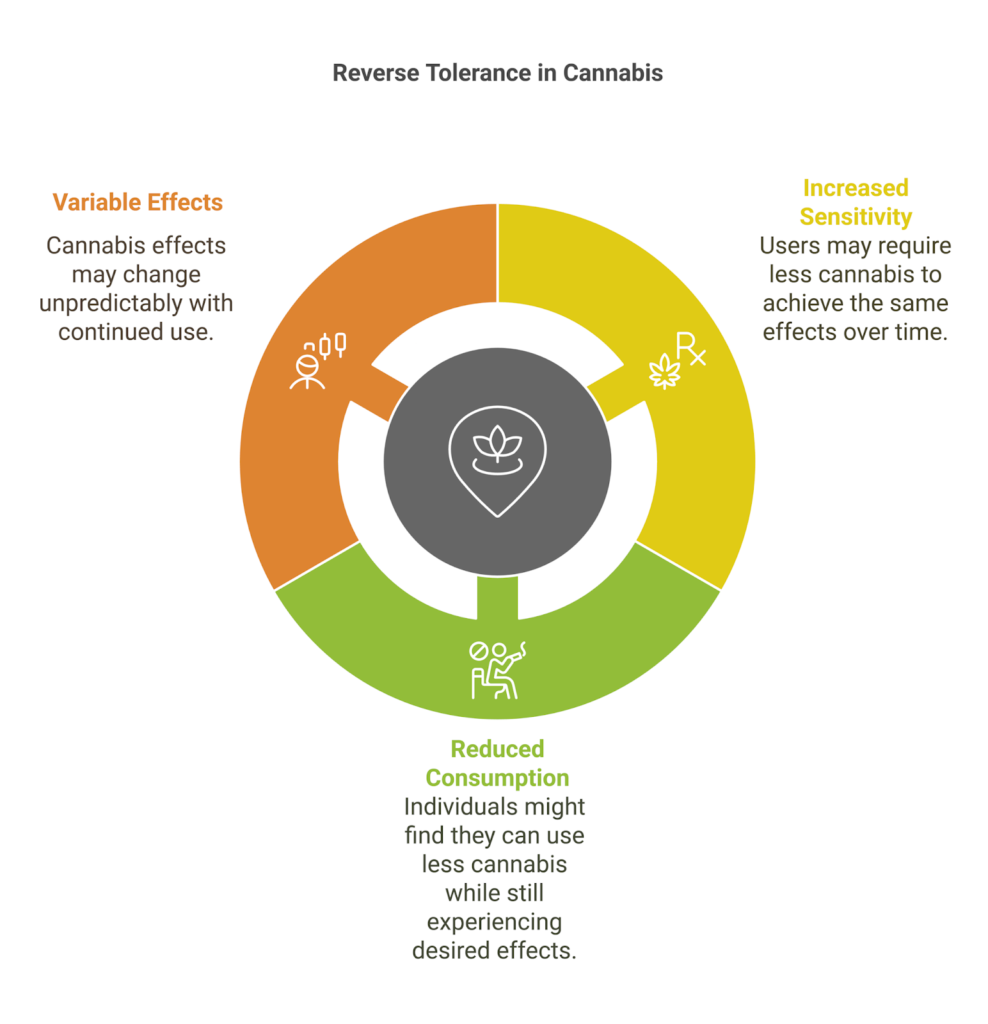
Reverse tolerance in cannabis use happens when chronic users or experienced users require less of the substance to achieve the desired impact. You might experience this if your body adapts to repeated smoking without the typical increase in dose associated with regular marijuana intake.
How Does Reverse Tolerance Differ from Normal Tolerance?
Normal cannabis tolerance and reverse tolerance are quite different. With normal tolerance, you would need larger amounts of the drug as tolerance develops. However, in reverse tolerance, you end up requiring lower doses to feel the same effects.
- Normal drug use often leads to repeated exposure and an eventual need for higher doses.
- Reverse tolerance can result in needing smaller amounts or the same dose to get identical or even stronger results.
- While it’s not fully proven in every case, many patients and chronic users have demonstrated this unique pattern.
It’s important to remember that individual factors vary, and not everyone will experience reverse tolerance in the same way.
Why Is Reverse Tolerance Less Common with Other Drugs?
For example, substances like alcohol, amphetamines, and benzodiazepines typically show a standard tolerance pattern rather than reverse tolerance. With these other drugs, repeated use often leads to increased risk of overdose, respiratory depression, or severe withdrawal syndrome because your body needs larger amounts to achieve the original effect.
Here’s a quick comparison chart showing the difference between typical tolerance and reverse tolerance:
| Factors | Typical Tolerance (e.g., Alcohol, Cocaine) | Reverse Tolerance (e.g., Cannabis) |
| Dose Increase Over Time | Common | Rare |
| Withdrawal Symptoms | Often Severe | Possible but Often Less Intense |
| Effects on Brain | Reduced Sensitivity | Potential Increased Sensitivity |
| Sign of Dependence | Needing Higher Doses | Needing the Same or Lower Doses |
This chart highlights why reverse tolerance is considered a unique phenomenon in cannabis.
It’s good to note that this distinction might be connected to how your cannabinoid receptors adapt over time, potentially becoming more “efficient” in processing THC.
Why Does Reverse Tolerance Occur?
The exact reason reverse tolerance can occur is still under study, but it’s often linked to changes in the brain and in how your body metabolizes cannabinoids. You might notice less of a need to increase your dose if your behavioral and physiological responses become more sensitive.
The Role of Cannabinoid Receptors
Your cannabinoid receptors (mainly CB1 receptors in your brain) are pivotal in how you experience cannabis. When repeated cannabis use takes place, these receptors may become more responsive or regulate themselves differently than they do for other drugs like cocaine or amphetamines.
Before listing some possible mechanisms, let’s set the stage:
- It’s suggested that certain receptors may upregulate instead of downregulate.
- These alterations in receptor density or activity could lead to enhanced sensitivity.
- Some experienced users swear by the concept, but evidence remains partially anecdotal.
The takeaway here is that your unique biological makeup will determine how your cannabinoid receptors respond to repeated use.
Enzyme Induction and Metabolism
Another reason reverse tolerance might happen is through changes in the enzymes that metabolize THC. Your liver can sometimes process smoking differently over time, which might cause unusual responses.
- Certain enzymes may become more efficient, reducing the amount of THC needed.
- This could theoretically lead to the same effects at a lower dose.
- However, for many, standard tolerance development (needing higher doses) is still more common.
When you see these possibilities, it underscores the complexity of cannabis reverse tolerance and why the subject is still debated.
It’s important to keep track of how your own body responds to cannabis—what works for one person might not be the best guideline for you.
How Do You Know If You’re Experiencing Reverse Tolerance?
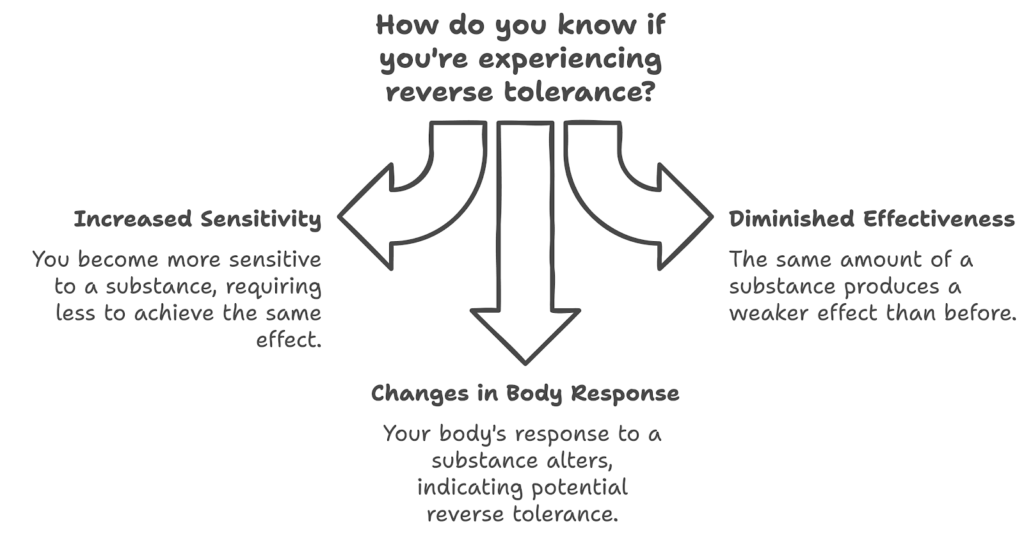
You might notice that you feel the same effects from a smaller amount of marijuana than you used to need. This could be a sign of reverse tolerance, but it could also be influenced by lifestyle choices, health conditions, or changes in behavioral patterns.
Signs and Symptoms of Reverse Tolerance
Recognizing reverse tolerance isn’t always straightforward, especially since cannabis tolerance is known to vary. Let’s lead into some common indicators:
- Feeling more intense effects with lower doses than before.
- Unchanged consumption routine but increased euphoria or relaxation.
- Fewer withdrawal symptoms when taking a tolerance break or during abstinence.
You might realize some changes happen gradually, while others might be more obvious overnight.
Differentiating Between Tolerance and Reverse Tolerance
Often, you might develop tolerance to cannabis before you ever see signs of reverse tolerance. It’s possible that you go through a period where you need higher doses, and then your body recalibrates, leading to reduced dose needs.
- Standard drug tolerance is well-documented in countless substance use cases, from alcohol to benzodiazepines.
- Reverse tolerance, particularly in cannabis, is a less common but still possible phenomenon.
- Individual variation can be influenced by genetics, metabolism, and medication interactions.
Keep in mind that more research is needed to fully confirm or deny this effect for everyone.
What Are the Risks and How Can You Stay in Control?
Even if you suspect you’re experiencing reverse tolerance, it’s important not to overlook potential risk factors. Addiction, dependence, and abuse can still occur, regardless of whether you need less THC or more.
Managing Tolerance and Potential Dependence
Chronic users might still face withdrawal syndrome if they stop cannabis use abruptly. Here’s what to keep in mind:
- Severe symptoms can include mood swings, anxiety, and cravings.
- A gradual cessation plan or professional guidance may help reduce discomfort.
- Maintaining moderation and regular check-ins with a healthcare professional can prevent larger problems from developing.
Remember that behavioral support and a balanced approach can make a big difference in the future.
Knowing When to Seek Help
If you find that your drug use is taking over or affecting your daily life, it’s crucial to reach out for help. Addiction is a complex process influenced by various factors, so professional resources and peer support can be instrumental.
- Overdose on cannabis alone is rare, but respiratory depression might happen when it’s combined with certain medications.
- Seeking help early can protect you from the development of more serious issues.
- No matter how you experience cannabis reverse tolerance, your health should remain the top priority.
Conclusion
You now have a better understanding of how reverse tolerance in cannabis use differs from the typical pattern of tolerance. While science continues to explore why reverse tolerance may sometimes appear in chronic users, paying close attention to your body’s responses, practicing moderation, and seeking professional advice if needed will help you maintain a healthy relationship with marijuana. Whether you’re an occasional consumer or an experienced user, staying informed is your best defense against unwanted consequences like dependence or more severe withdrawal symptoms.
Frequently Asked Questions
Can Reverse Tolerance Lead to Addiction?
Reverse tolerance doesn’t guarantee addiction, but substance use always carries risks. If it disrupts your responsibilities or relationships, it may signal dependence. Early intervention and mindful consumption are key to prevention.
Does a Tolerance Break Help with Reverse Tolerance?
A tolerance break resets cannabinoid receptors and may clarify if you’re experiencing reverse tolerance. After the break, you might need a lower or similar dose for the desired effect.
Can Reverse Tolerance Occur with Medications Like Benzodiazepines?
Reverse tolerance is rare with medications like benzodiazepines, where tolerance typically increases with use. If you notice unusual sensitivity, consult a healthcare professional.