Key Takeaways
- Among its many functions, the endocannabinoid system is responsible for the regulation of physiological processes using components that are extremely useful to human beings and it utilizes cannabinoid receptors.
- Receptors CB2 are important in the immune response system while receptors CB1 are frequent in the central nervous system.
- The inflammation, pain, or even certain neurological disorders might be controlled by cannabinoids and hemp oils.
- However, these measures might not be suitable for everyone. During such therapies, care should be taken to follow precautions to mitigate the possible side effects.
The endocannabinoid system operates as a network of cell signaling that maintains the homeostasis of the body, involving cannabinoid receptor ligands and peripheral cannabinoid receptors. The cannabinoid receptors establish a core component of the system that interprets the body’s natural cannabinoids and the ones derived from plants, like cannabis, including cannabinoid receptor type 2. The receptors in the brain are crucial in the management of pain and neurological ailments, particularly the cannabinoid CB1 receptor. This article discusses cannabinoid receptors in detail, looking at their importance in the body and their potential to shape the future of medicine, particularly through the study of human cannabinoid receptors.
What Are Cannabinoid Receptors
Cannabinoid receptors are a specialized type of G protein-coupled receptors (GPCRs) that function by carrying out the actions of cannabinoids in the body.
Introduction to Cannabinoid Receptor Types
The two major receptors, Cannabinoid receptors 1 and 2, are the most important “gateways” that work in synergy with the cannabinoids for enhanced positive benefit. However, they exist in different locations and functions to benefit the body. Mood, motor coordination, and memory which are circled around the base of the ganalia, and hippocampus light and CB1 receptors are found in the central nervous system these regions heavily influence.
Cannabinoid receptor 2 are however found more in the peripheral tissues and immune systems, where they serve the purpose of regulating immune responses and inflammation. These receptors together serve as the base of the endocannabinoid system (ECS) which enables the body to respond to both plant and internally found cannabinoids.
Why Cannabinoid Receptors Matter in the Nervous System
How Do Cannabinoid Receptors Function in the Endocannabinoid System
Anticipation from endogenous cannabinoids such as 2-AG and anandamide triggers response from Cannabinoid receptors which are at the focal point of the ECS.
Interaction Between Cannabinoids and G-Protein Coupled Receptors
GPCRs include CB1 and CB2 cannabinoid receptors to which g-proteins interlink and allow interface. During bonding, the GPCR undergoes conformation which leads to G protein activation and nucleotide exchange from GDP to GTP. GTP binding leads to subunit disassociation, the intracellular domain interacts with target enzymes, and when cannabinoid receptors are activated, signaling is activated[1].
For instance, the neurotransmitter glutamate is released and activated GPC1 receptors inhibit the release of g peptide, resulting in a calming state. On the other hand, the activated GB2 receptors mute active peptidases on inflammatory cytokines and make them essential for immune suppression, particularly in relation to microglial cells within the cannabinoid signaling system.
Cannabinoid Receptors and Cellular Communication
Cannabinoids act as built-in signals for cellular communication, particularly through receptors expressed in human cells. They ensure that every cell responds adequately to the environment changes, mediated by cannabinoid receptor ligands. Synaptic transmissions, for example, are modulated by CB1 receptors, helping the neurons in the central and peripheral nervous systems communicate with each other. Furthermore, CB2 receptors buried in the peripheral tissues regulate immune responses. Along with a few other functions, they notify macrophages to reduce inflammation during the tissue repair processes.
Endocannabinoid System: A Balancing Act
Physiological processes need to be in balance, and the endocannabinoid system (ECS) is a very crucial step in providing it, particularly through the modulation of the brain cannabinoid receptor. Endogenous cannabinoids like anandamide and 2-AG are created as required and bind with CB1 or CB2 receptors. The receptors then modulate pain or guide the immune functions to tackle the problems, particularly through the activation of cannabinoid receptors in human microglial cells. The receptor malfunction of ECS, however, appears to be strongly associated with obesity, chronic pain, AI diseases, and several other illnesses, highlighting the loss of cannabinoid receptor balance.
Distribution of Cannabinoid Receptors in the Body
The cannabinoid 1 and cannabinoid 2 receptors have a wide distribution which means they have great potential concerning functions associated with the body’s central cannabinoid system.
CB1 Receptors in the Central Nervous System
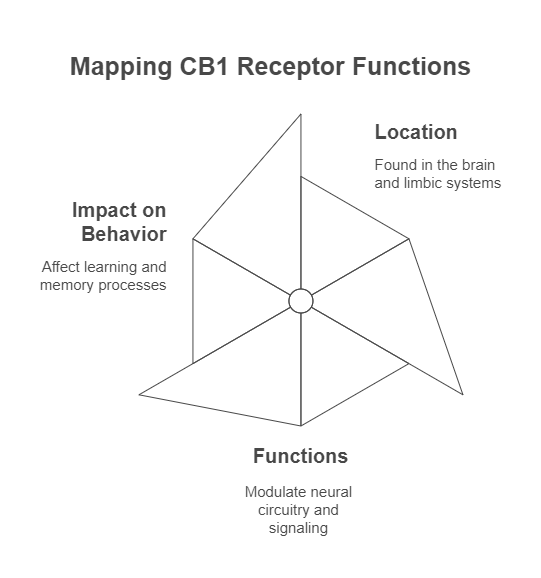
CB1 receptors are located in the brain and associated with structures that are responsible for the most sophisticated functions such as coordinating movement and memory, highlighting the importance of cannabinoid receptors in the central nervous system. Thus, these receptors are also found in the cerebrum’s areas with amygdala and limbic systems.
Many of their activities pertain to the modulation of neural circuitry as well, where cannabinoid receptors mediate important functions within the brain cannabinoid signaling system. For instance, the functions of receptors in the hippocampus have a positive effect on learning and recalling memories. The cause of the observed phenomena with stoned functions of cannabis users is the impairment of their functions, so they are usually unhelpful.
CB2 Receptors in Immune Cells and Peripheral Tissues
CB2 receptors are found in an abundance of immune cells which includes but is not limited to macrophages, T-cells, and microglia. CB2 receptor on immune cells helps to control the degree of inflammation and thus control inflammation. In addition, they are present in the spleen, liver, and bone tissues where cannabinoid receptor expression can actively participate in tissue regeneration and bone remodeling.
Cannabinoid Receptors and Homeostasis
The combination of these actions helps maintain the body’s equilibrium, which is deeply important. CB1 inhibits the excitatory activity of neurons and cannabinoid receptor type 2 suppresses overactive and long-term immune activation. This controls the inflammation and excitement of the neurons, particularly through the action of cannabinoid CB2 receptors, which is key.
CB1 Receptors: Key Players in the Nervous System
CB1 are the most abundant receptors in the CNS and they regulate the most cognitive and emotional processes.
CB1 Localization in the Brain
CB1 cannabinoid receptors are particularly concentrated in the CNS and other regions like the basal ganglia which is responsible for motor control, and the amygdala which regulates emotional responses. This local activity is consistent with the role of anxiety, depression, and even Parkinson’s disease where CB1 signaling can be of use, particularly in relation to cannabinoid receptor type 1.
Functional Roles of CB1 Receptors
CB1 receptors are implicated in the modulation of pain and by extension, appetite, as part of the central cannabinoid system where cannabinoid receptors are activated. Elevated release of the mood-enhancing neurotransmitters dopamine and serotonin can contribute to pain suppression and depression, targeting the underlying causes of chronic pain.
Effects of Cannabinoid Agonists on CB1 Activity
Euphoria, relaxation, and increased appetite are among the benefits that cannabinoid receptor agonists like THC reap owing to the strengthened activity of peripheral cannabinoid receptors. From a clinical perspective, it is critical to recognize that excessive CB1 receptor activity and stimulation bring about detrimental effects to the client such as memory impairment and anxiety.
CB2 Receptors: Guardians of the Immune System
CB2 receptors are important and contribute toward modulating inflammatory responses that take place in an immune system.
CB2 Distribution in Immune Cells
There are several types of cannabinoids found in marijuana, and one useful compound is the active ingredient in cannabis, CB2. CB2 receptors are commonly located in macrophages and B cells where they manage the inflammatory processes of the body through cannabinoid receptor expression, particularly the brain cannabinoid receptor. The activation of cannabinoid 2 receptors inhibits the release of pro-inflammatory cytokines that trigger chronic inflammation.
CB2 Receptors in Combating Inflammation
By reducing inflammation, microglia-activated CB2 receptors may be beneficial in the degenerative processes of arthritis and multiple sclerosis. They do this by inhibiting the migration of immune cells to the inflamed tissues where damage is inflicted and healing is haphazardly sought, thereby affecting the activity of microglial cells and the endogenous cannabinoid system.
Therapeutic Potential of CB2 Modulation
The selective targeting of CB2 receptors has been shown to treat autoimmune disorders and chronic inflammatory diseases with minimal psychoactive states due to avoided CB1 activation.
The Effects of Cannabinoids on the Central Nervous System
The interaction of CB1 receptors with THC and other plant cannabinoids has effects on various systems in the CNS, particularly influencing the brain cannabinoid receptor pathways.
Neurological Impact of CB1 Activation
The CB1 activation on brain function is controlled by the inhibition and stimulation of various neurotransmitters, alleviating excessive neuronal firing which facilitates the conditions of Epileptic patients[2].
Novel Cannabinoid Receptors and Emerging Research
The scientific study of cannabinoids is deepened by recent findings which strongly indicate the existence of other receptors aside from CB2 and CB1.
Evidence for Additional Cannabinoid Receptors
The identification of GPR55 and TRPV1 marks a clear deviation from CB1 and CB2 as the sole receptors for cannabinoid targets. The existence of these receptors might account for the wide range of physiological effects of cannabinoids.
Cannabinoid Receptor Splice Variants
The role of CB1 and CB2 bade spliced variants have not yet been exceedingly explored, but these subtypes may perform derivative functions in cancer and neuropathic pains.
Implications of Novel Receptors in Therapy
Novel receptors have the promise of widening the scope of therapies by utilizing cannabinoids, particularly through the activation of the brain cannabinoid cb2.
Cannabinoid Signaling and Therapeutic Applications
Cannabinoid therapy may be useful in a vast array of medical pathologies as various signaling pathways activate specific organs that may require intervention, especially in relation to the endocannabinoids and cannabinoid receptors.
Mechanisms of Cannabinoid Receptor Signaling
The cellular process initiated during the GPCR activation regulates the pain, inflammation, and growth of the cells, highlighting the role of cannabinoid receptors in the brain, which is vital for treatment.
Cannabinoids in Pain and Epilepsy Treatment
CB1 and CB2 complexing with others not only diminishes pain but also seizures. CBD and other cannabinoids have proven to alleviate the suffering of patients suffering from unreceptive therapy.
Neurodegenerative Diseases and Cannabinoids
Even though cannabinoids are in their infancy of properly utilized in neuroprotective therapy, it has been proven to reduce inflammation and oxidative stress therefore slowing down neurodegenerative processes.
Challenges in Targeting Cannabinoid Receptors for Therapy
Despite their potential, cannabinoid receptors are expressed in various tissues, making drug development a Herculean task.
- Precision Targeting of Cannabinoid Receptors: The development of drugs that ideally target either CB1 or CB2 is critical to obtaining maximum therapeutic benefits without adverse effects, including psychoactivity.
- Central Side Effects and CB1 Modulation: Psychotropic side effects, such as anxiety and intellectual deficits, caused by excessive CB1 stimulation in the central nervous system, create a compelling case for selective receptor therapies.
- Balancing Efficacy and Safety in Cannabinoid Therapies: Resolving the conflict between efficacy and safety is exceptionally important, especially for chronic diseases where receptors need to be modulated over prolonged periods.
Conclusion
Cannabinoids, receptors, and signaling pathways form the endocannabinoid system, which allows for intricate harmony within the body, particularly through cannabinoid pharmacology. Researchers are slowly beginning to understand the deeper structures of cannabinoid receptors which serve functions for chronic pain, inflammation, and even many neurodegenerative diseases. However, even with all the challenges surrounding the use of cannabinoids in fully functional medicine, the optimistic growth indicates development changes in the industry.
Frequently Asked Questions
What are the main cannabinoid receptors?
The two most important receptors are the cannabinoid 1 receptor which is present in the central nervous system and cannabinoid 2 which is mostly found in immune cells.
How do cannabinoids affect the brain?
Different than most, THC binds with CB1 receptors along with numerous other receptors which results in a shift of motor functions, mood, memory, and pain.
Are there other cannabinoid receptors beyond CB1 and CB2?
Some more recent studies suggest that there might be an existence of new receptors which may broaden the possibilities for cannabinoid-based treatment, including potential interactions with the central cannabinoid receptor.
Can cannabinoid receptors be targeted without psychoactive effects?
Sure, specific targeting of peripheral restricted drugs or selective activation of CB2 receptors can avoid CB1 adverse effects.
References
- Mnpotra, J. S., Qiao, Z., Cai, J., Lynch, D. L., Grossfield, A., Leioatts, N., … & Reggio, P. H. (2014). Structural basis of G protein-coupled receptor-Gi protein interaction: formation of the cannabinoid CB2 receptor-Gi protein complex. Journal of Biological Chemistry, 289(29), 20259-20272. https://doi.org/10.1074/jbc.M113.539916
- Ortiz, Y. T., McMahon, L. R., & Wilkerson, J. L. (2022). Medicinal cannabis and central nervous system disorders. Frontiers in pharmacology, 13, 881810. https://doi.org/10.3389/fphar.2022.881810