Magnesium deficiency is one of the most common problems that cannabis growers face, and if not addressed, it can severely impact plant growth and development. This guide explores the role of magnesium in cannabis, symptoms of magnesium deficiency, and effective solutions to ensure your plants thrive. Along with providing remedies, it emphasizes the importance of prevention to sustain healthy plants over time.
Key Takeaways
- It is a mobile nutrient involved in photosynthesis and general plant health.
- Its deficiency can result in yellowing of older leaves and stunted growth.
- Solutions: Simple adjustments to the pH, nutrient solution, or even supplements, like Epsom salt, often correct the issue.
What role does magnesium play in cannabis?
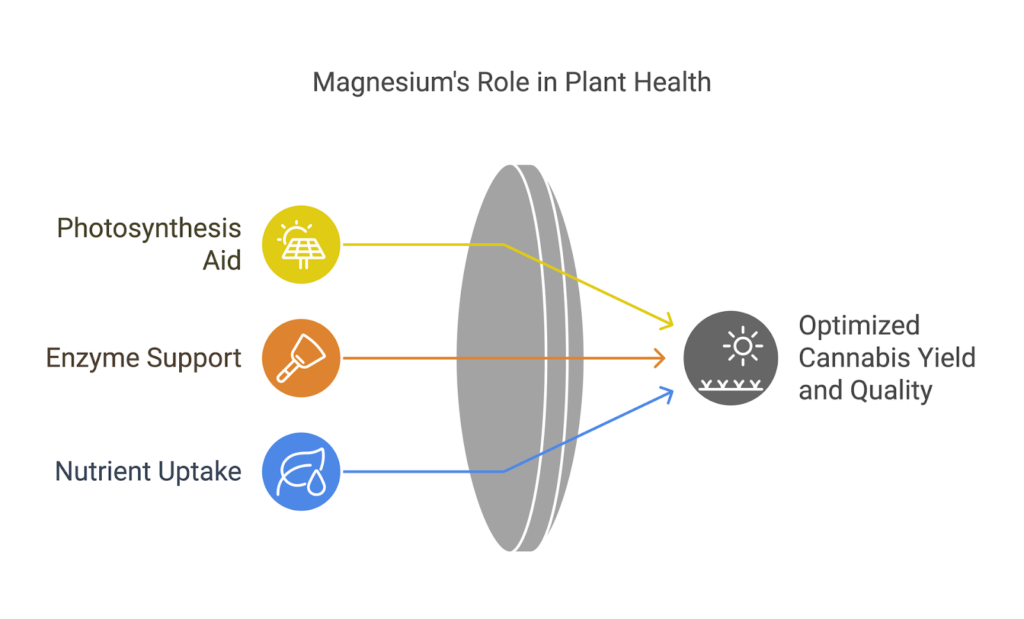
This mineral is essential for the entire metabolic processes of plants. Magnesium is, in a manner closely associated with photosynthesis, and forms a component of the chlorophyll molecule. Because it’s a part of photosynthesis, it helps the plants to break down photons to produce energy. It provides them with structural strength as well as nutrition, besides producing energy. Grossly, they remain underutilized.
Why Do Plants Need Magnesium?
Magnesium enables plants to do the following:
- Absorb nutrients such as nitrogen and phosphorus.
- Drive photosynthesis for healthy growth and development.
- Assist in the production of sugars and starches required for the development of flowers.
- Augment photochemical conversion of light energy into useful energy.
Furthermore, an absence of magnesium will normally contribute to the failure of development within the cannabis plant as a whole, and that leads to lesser yields and inferior quality. On average, it is not possible to create flowers with as much strength as when a plant has no shortage of magnesium. This essentially results in a type of lack of vigor that might make the plant more susceptible to other nutrient deficiencies.
How Do Magnesium and Other Nutrients Interact?
- Cell wall strengthening and nutrient uptake.
- Promoting the general health of the cannabis plant.
- Preventing nutrient lockout, where the plant may take in one nutrient but not others.
However, an imbalance—such as high levels of calcium but not magnesium—can cause deficiencies. Overfeeding with calcium can inadvertently reduce magnesium uptake, leading to long-term issues. Nutrient interactions are complex, and monitoring is essential to prevent antagonistic effects.
Proper nutrient management is very critical in maintaining healthy cannabis gardens, especially when the hydroponic systems or coco coir setups are commonly known to develop imbalances.
What Are the Symptoms of Magnesium Deficiency in Cannabis?
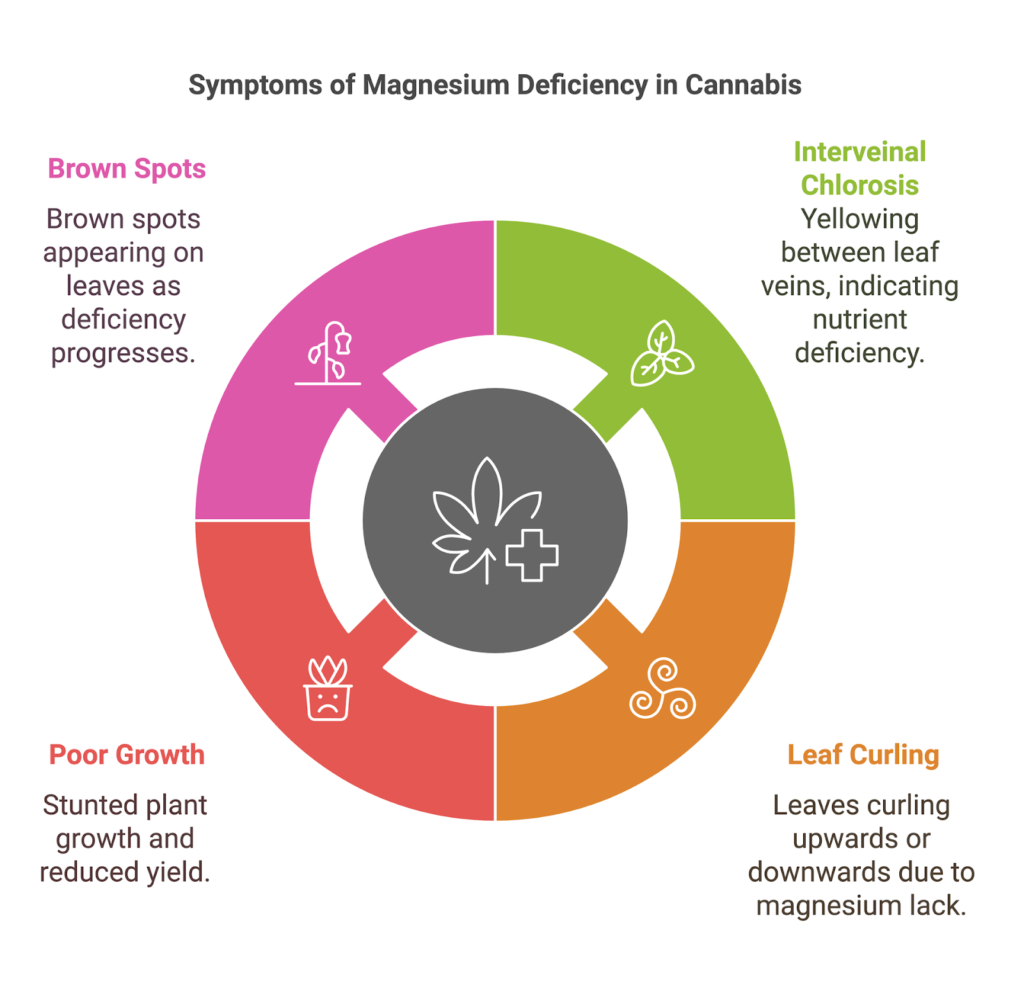
Magnesium deficiency appears in the form of visible leaf alterations and general unhealthy look of plants indicates that identifying it early enough would be of significant importance. It is likely to save plants from irreversible damage with the sooner intervention. Otherwise, late intervention can sometimes limit a plant’s ability to grow once the problem has been solved.
What Are the Major Symptoms of Magnesium Deficiency?
Main symptoms of magnesium deficiency in cannabis:
- Yellowing of Older Leaves: The most common symptom is the yellowing of older leaves while the veins remain green.
- Stunted Growth: This can lead to slow growth in the plant and affect its flowering stage.
- Brittle or Curling Leaves: Indicates a severe lack of magnesium.
- Reduced Photosynthesis Efficiency: Weak stems and low energy production are the results of this deficiency.
Comparison Chart: Symptoms and Severity
| Symptom | Mild Deficiency | Severe Deficiency |
| Yellowing of older leaves | Slight discoloration | Complete yellowing |
| Stunted growth | Slower than expected | Severely inhibited growth |
| Leaf curling or brittleness | Minimal curling | Extensive damage |
How Does Magnesium Deficiency Affect Photosynthesis?
Magnesium is involved in:
- Chlorophyll production, which absorbs light for energy
- Protecting the cannabis plant from a magnesium deficiency interference
- Allowing efficient conversion of light into energy to fuel flowering and bud development.
If unchecked, magnesium deficiency results in low energy conversion efficiency all over the cannabis plant. This is reflected both in the yield and in the quality of the final product in terms of potency and aroma. Magnesium deficiency symptoms flare up very fast, especially when plants are flowering and demand nutrients at a higher level.
Causes of Magnesium Deficiency in Cannabis
Understanding why magnesium deficiencies occur can help prevent them. Common causes include:
- Acidic Growing Medium: Below pH 6.0 can make it impossible for plants to uptake magnesium.
- Unbalanced Nutrient Solutions: Excessive calcium and potassium can hinder magnesium uptake.
- Poor Watering Habits: Overwatering or the use of hard water can contribute to magnesium problems.
- Environmental Stress: Temperature fluctuations, poor light conditions, and many more can contribute to deficiencies.
Proper pH and nutrient levels must be maintained in order to avoid deficiencies in cannabis plants. Testing the growing medium can help prevent small issues from becoming major problems.
How Do You Fix Magnesium Deficiency in Cannabis?
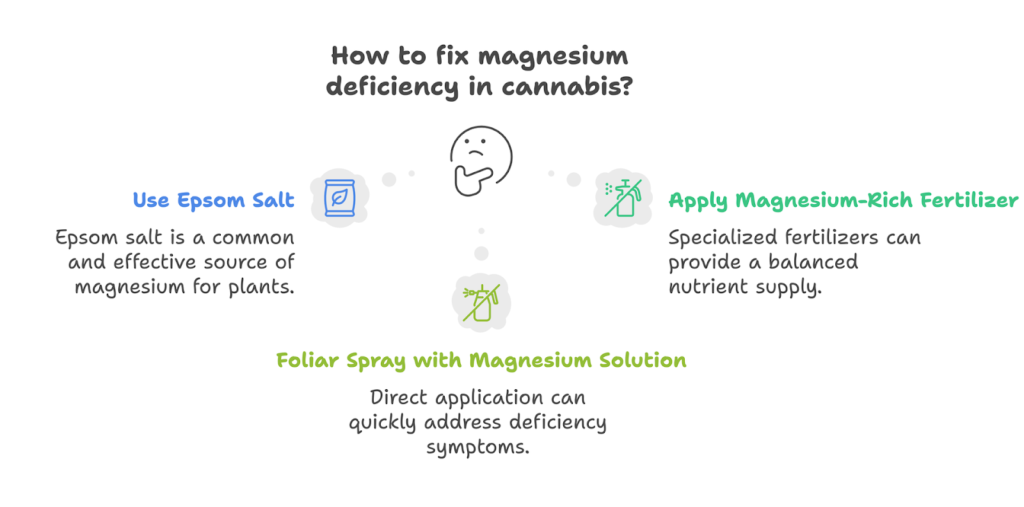
Magnesium deficiency in cannabis is fixed by adjusting the environment and supplementing with magnesium-rich supplements. The sooner you act once symptoms are noticed, the less damage is done. Taking proactive steps will ensure that the plants recover completely and continue growing.
What Are Immediate Solutions?
When you experience symptoms of a magnesium deficiency:
- Flush Your Plants: Flush out excess salts and nutrients in the growing medium.
- Check the pH: The soil should be between 6.0-7.0, while hydroponics should be 5.5-6.5.
- Test Nutrient Levels: Confirm whether your solution contains a balance of calcium, potassium, and magnesium.
- Test the Water Quality: Use filtered or distilled water if the minerals in hard water interfere.
Which supplements can you use to replenish magnesium?
- Epsom Salt (Magnesium Sulfate): Add 1 tsp to every gallon of water. Foliar spray or through irrigation.
- Cal-Mag Solutions: Adding magnesium and calcium back to your plant in balanced proportions
- Magnesium-Rich Nutrient Solutions: Especially those for use in cannabis cultivation.
- Organic Amendments: Use dolomite lime or compost applied directly to soil for a slow magnesium release.
Application Tips
- For foliar sprays, always spray in early morning or late evening so as not to scorch leaves.
- Gradually increase the magnesium levels without overfeeding.
- Monitor your plants and see improvements in the next 1-2 weeks.
These ways will help the plant uptake magnesium more efficiently and grow well. Monitoring will prevent the problem from coming back. Prevention and early detection are the best methods to prevent problems from recurring again.
How Can You Prevent Magnesium Deficiency in Cannabis?
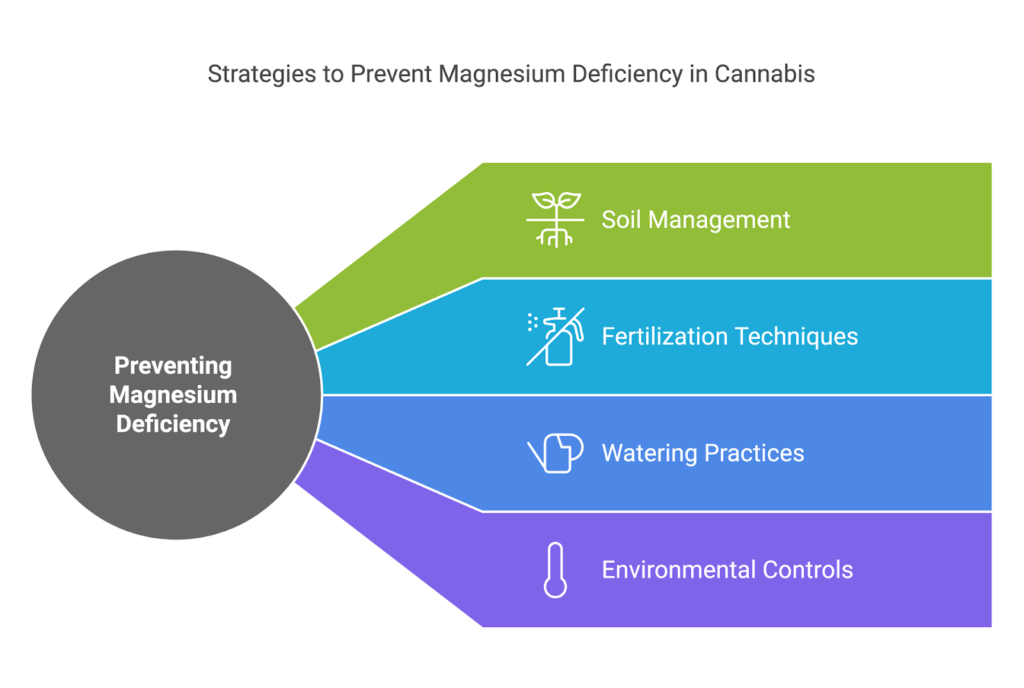
Prevention is always far better than cure. Planning is what will help you avoid any cases of nutrient deficiencies altogether. Healthy prevention also brings about minimal stress on the plants, translating to a maximum yield.
What are the best practices for growing cannabis?
How to ensure plants get enough magnesium in the soil:
- Maintain an optimum level of pH by frequently testing and adjusting the growing medium.
- Do not overdose with calcium and potassium through nutrient solutions.
- Growing in Coco Coir: Cal-mag should be supplemented regularly to prevent deficiency.
- Rotate Growing Mediums: Alternating between soil and hydroponics can help avoid persistent problems.
What Environment Do Cannabis Plants Need?
- Ensure proper drainage to avoid nutrient lockout.
- Use high-quality soil or hydroponic systems specifically designed for cannabis cultivation.
- Monitor environmental factors such as humidity and temperature.
- Provide consistent light cycles to avoid stressing the plants.
Ideal conditions help the cannabis plants grow without magnesium deficiency. Checking and taking care of the plants regularly will ensure that they grow healthy and strong throughout their life cycle. Consistent care ensures that the plants reach their genetic potential and yield the highest quality buds.
A balanced magnesium level prevents the chances of a magnesium deficiency in your cannabis garden, keeping your plants healthier and more productive. Thus, a maintained garden ensures not only high yields but also quality.
Conclusion
Magnesium is a mobile nutrient that promotes the growth of cannabis. Allowing photosynthesis, magnesium encourages growth and further development. Neglecting it can cause seriously negative effects for your plants. Knowing the symptoms, knowing what causes them, and applying good solutions such as nutrient management and pH adjustments will ensure your cannabis plants grow up to their fullest potential.
In keeping with the old adage, prevention is the best method for maintaining a cannabis garden, but nutrient problems such as magnesium deficiency can be defeated with careful attention and the proper tools. Healthy plants will abound in yields, creating a well-functioning, sustainable growing experience that’s enjoyable too.
Frequently Asked Questions
What are some common symptoms of magnesium deficiency in cannabis?
The primary signs include older leaves turning yellow, stunted growth, and brittle or curling leaves. Most of the deficiency symptoms are because your plants are not getting enough magnesium.
How to prevent magnesium deficiencies in cannabis plants?
To avoid deficiency, maintain optimal pH levels, use only balanced nutrient systems, and use Cal-Mag supplements when growing on coco coir. Regular check-up ensures magnesium sufficiency to the plant.
What is the best way to correct magnesium deficiency in cannabis?
Correcting magnesium deficiency best occurs when flushing the growing medium, altering the pH, and adding supplements, including Epsom salt or cal-mag, allows the plants to take it up.