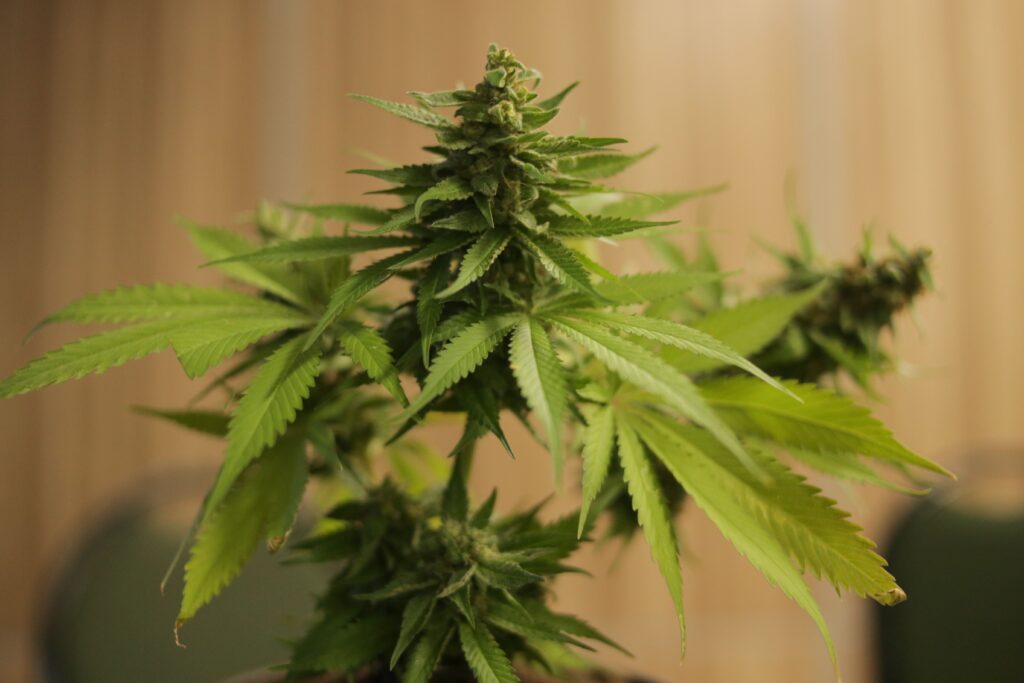
Curling leaves are one of the most common warning signs that a cannabis plant is under stress. While the symptom can look alarming, curled leaves don’t necessarily mean your plant is dying. In most cases, the issue is related to environmental conditions, watering habits, nutrient management, or root health.
The key to solving the problem is identifying exactly how the leaves are curling. Leaves that curl upward often point to different issues than leaves that curl downward or develop twisted edges.
In this guide, we’ll explain the most common causes of curling cannabis leaves and what you can do to get your plants back on track.
Key Takeaways
- Curling leaves are a sign of plant stress, not a disease itself.
- Upward curling is often linked to heat, intense light, or low humidity.
- Downward curling may indicate overwatering, root stress, or nutrient issues.
- pH imbalances can prevent nutrient uptake and cause leaf abnormalities.
- Early intervention can help prevent reduced growth and lower yields.
What Does Leaf Curling Mean?
Cannabis plants use their leaves to regulate water loss, absorb light, and perform photosynthesis. When conditions become unfavorable, the plant may change the shape of its leaves as a protective response.
Leaf curling is essentially your plant’s way of telling you that something in its environment needs attention.
The direction and location of the curling can provide important clues about the underlying cause.
Why Are Cannabis Leaves Curling Upward?
When leaf edges curl upward, growers often refer to the symptom as “tacoing” because the leaves begin to resemble taco shells.
Heat Stress
One of the most common causes of upward curling is excessive heat. When temperatures become too high, the plant attempts to reduce its exposed surface area and limit water loss.
Signs of heat stress may include:
- Upward-curling leaf edges
- Dry or brittle leaves
- Slower growth
- Leaves closest to the light source showing symptoms first
Improving airflow and reducing canopy temperatures can often resolve the issue.
Excessive Light Intensity
Cannabis plants can also react to overly intense lighting. If grow lights are positioned too close to the canopy, the upper leaves may begin curling upward as a defense mechanism.
Consider:
- Raising the lights
- Reducing light intensity
- Checking manufacturer-recommended distances
Low Humidity
Dry air can increase the rate of transpiration, causing plants to lose moisture faster than their roots can replace it.
Maintaining appropriate humidity levels for each growth stage can help reduce stress and improve overall plant health.
Why Are Cannabis Leaves Curling Downward?
Leaves that curl downward often indicate problems below the soil surface.
Overwatering
Overwatering is one of the most frequent mistakes made by new growers.
When roots sit in constantly wet soil, oxygen levels decrease, making it difficult for the plant to absorb water and nutrients efficiently.
Common signs include:
- Drooping leaves
- Downward curling
- Slow growth
- Heavy, waterlogged soil
Allowing the growing medium to dry slightly between waterings can help restore root function.
Root Stress
Root-bound plants, poor drainage, and compacted soil can all contribute to curling leaves.
Healthy roots need oxygen, moisture, and room to expand. If any of these factors are restricted, the entire plant can suffer.
Nutrient Toxicity
Too much fertilizer can cause leaves to curl downward into a claw-like shape.
Nitrogen toxicity is particularly known for causing:
- Dark green leaves
- Glossy foliage
- Curled leaf tips
- Reduced vigor
If nutrient burn is suspected, reducing feed strength and monitoring new growth may help.
Can pH Problems Cause Curling Leaves?
Yes. Even if nutrients are present in the growing medium, an incorrect pH can prevent the plant from absorbing them properly.
This condition, often called nutrient lockout, can lead to symptoms such as:
- Twisted new growth
- Curled leaves
- Yellowing foliage
- Slow development
Checking pH regularly is one of the simplest ways to prevent many common plant issues.
Could Pests Be Responsible?
In some cases, pests can cause leaves to curl, twist, or become distorted.
Potential culprits include:
- Spider mites
- Thrips
- Aphids
- Broad mites
Inspect the undersides of leaves regularly and look for signs of feeding damage, webbing, or visible insects.
Early detection makes pest management much easier.
How to Diagnose Curling Leaves
When troubleshooting curled leaves, ask yourself:
- Are the leaves curling up or down?
- Is the issue affecting older leaves, new growth, or the entire plant?
- Have temperature or humidity levels recently changed?
- Has watering frequency increased?
- Have nutrients recently been added or adjusted?
By reviewing environmental conditions before making major changes, growers can often identify the problem more quickly.
How to Prevent Cannabis Leaves From Curling
Prevention is always easier than correction.
Best practices include:
- Maintain stable temperatures
- Monitor humidity levels
- Water only when necessary
- Avoid overfeeding
- Check pH regularly
- Ensure adequate airflow
- Inspect plants for pests frequently
Healthy growing conditions reduce stress and help plants maintain vigorous growth throughout their lifecycle.
Final Thoughts
Curling cannabis leaves are usually a sign that your plant is responding to stress. Whether the cause is heat, overwatering, nutrient imbalance, poor pH, or pests, the sooner you identify the issue, the easier it is to correct.
Rather than treating leaf curling as a standalone problem, focus on finding the underlying cause. Once environmental conditions and plant care practices are optimized, new growth will often return to normal, and your plants can continue developing successfully.