Picture walking into a dispensary and seeing rows of cannabis strains with intriguing names and fancy packaging. You might wonder why each one can offer a distinctive experience despite coming from the same cannabis plant family. The answer often lies in something called cannabis chemotype. By examining the chemical phenotype behind each strain, you’ll gain valuable insight into how a particular cannabis sativa plant might make you feel and why.
Key Takeaways
- Cannabis chemotype zeroes in on THC and CBD concentrations that shape how each cannabis flower affects you.
- Environmental factors and genetics both play important roles in chemical composition and morphological traits.
- Techniques like principal component analysis and canonical correlation analysis help classify cannabis cultivars, ensuring consistent cannabis potency and quality control.
Why Does Chemotype Even Matter for Cannabis Consumers?
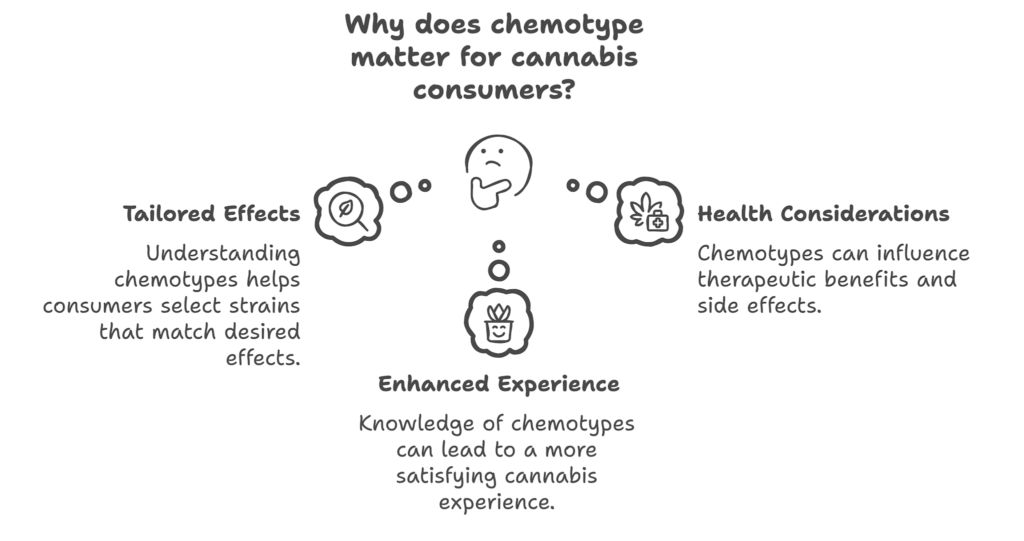
“Chemotype” refers to the ratio and types of major cannabinoids within a living plant. It matters because those ratios greatly influence whether you’ll get a euphoric “high,” a mellow therapeutic vibe, or something in between when you use cannabis spp. If you’re drawn to cannabis sativa’s nature, for instance, you’re probably looking for an energetic effect, while folks who prefer cannabis indica often aim for more relaxation.
Breaking Down Major Cannabinoid Phenotypes
Cannabinoids such as THC and CBD are the core building blocks of your experience, so they define the cannabis chemotype.
- THC-dominant plants (drug-type cannabis) usually contain high THC production levels, leading to uplifting, sometimes intense psychoactive effects.
- CBD-dominant plants emphasize CBD production, delivering gentler outcomes with less risk of psychoactive overwhelm.
- Balanced strains combine moderate THC and CBD, appealing to those who prefer some euphoria without it being too overpowering.
A key point to remember is that these phenotypes can still vary based on environmental factors, so you might see significant differences even among plants belonging to the same group.
From Lab Analysis to Your Dispensary
Cannabis growers and researchers use methods of plant material testing like supervised canonical correlation analysis and multiple discriminant analysis to classify strains into separate clusters. By applying unsupervised principal component analysis, they can pinpoint which samples share the same morphological traits and which ones differ.
- Ward’s minimum variance method sorts out plants that behave similarly in terms of THC and CBD content, or even in terpene concentration.
- Hierarchical clustering analysis and correlation analysis come into play to determine which cultivars are positively correlated or negatively correlated with each other in terms of chemical constituents.
These techniques make it easier for cultivators to produce consistent products and maintain air circulation that keeps plants healthy, ensuring stable cannabis potency for you.
How Do THC and CBD Concentrations Shape Strain Effects?
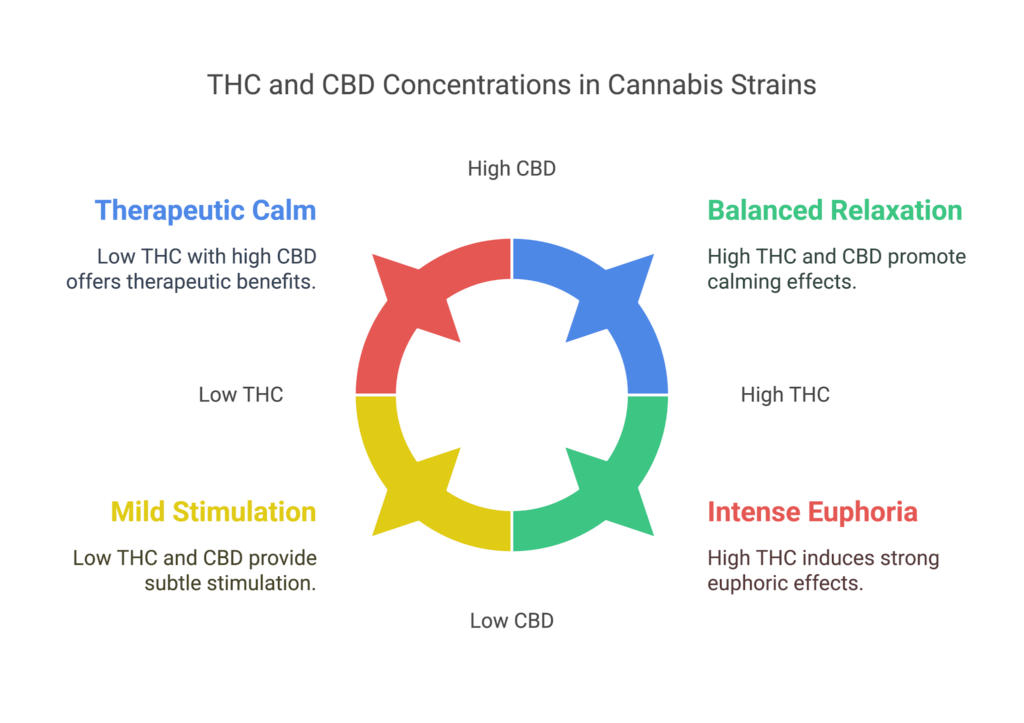
Cannabis potency often hinges on THC and CBD concentrations, the most abundant cannabinoid duo in Cannabis sativa plants. If your goal is a strong cerebral high, you’d likely choose THC-dominant plants. For a subtler experience, CBD-dominant plants might be the ticket.
Comparing THC-Dominant, CBD-Dominant, and Balanced Chemotypes
Here’s a quick chart to illustrate each category:
| Chemotype | Cannabinoid Ratio | Possible Effects |
| THC Dominant | High THC, Low CBD | Potentially euphoric, may elevate mood |
| CBD Dominant | Low THC, High CBD | Mild psychoactivity, soothing for many |
| Balanced | Moderate THC & CBD | Mild high with some therapeutic relief |
Look at the table and decide which one appeals to you. THC dominance might be thrilling but can also bring anxiety to newcomers. CBD dominant could help you unwind or manage stress. The balanced approach offers a bit of both worlds.
Impact on Clinical Trials and Beyond
In clinical trials, cannabis chemotype directly affects patient outcomes. For example, drug types featuring almost pure THC serve certain research areas, while those with higher CBD or a balanced composition are studied for conditions like anxiety or seizures.
- Formal analysis ensures these trials are built on reliable data.
- Multiple correlation and tukey hsd multiple tests help verify that your chosen strain remains consistent and safe.
If you want to harness cannabis for therapeutic benefits, noting the chemotype’s thc and cbd concentrations can guide you to the right strain.
Is Terpene Content Just as Important as Cannabinoid Levels?
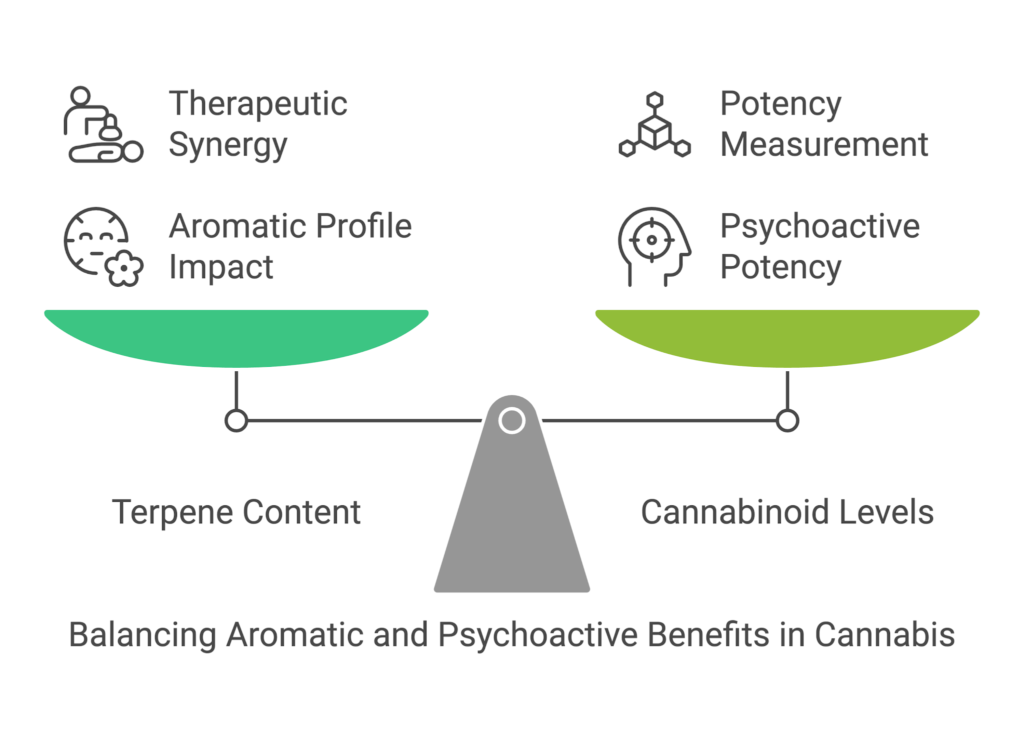
Terpenes might be overshadowed by THC and CBD hype, but they’re crucial to your experience. These aromatic chemical compounds amplify or tame cannabinoid effects through what many call the “entourage effect.” So yes, they’re as significant as cannabinoids when it comes to picking your next stash.
Role of Terpenes in Cannabis Chemotypes
Terpenes are secondary metabolites that influence your high and the overall character of a cannabis cultivar. A few examples include:
- Myrcene: Known for its potential sedation, often found in THC-dominant cultivars.
- Limonene: Usually gives a citrusy twist that can feel uplifting.
- Caryophyllene: Spicy and can interact with your body’s endocannabinoid system.
- Pinene: A fresh, piney scent that can aid focus.
They’re not just about aroma; they may also alter how THC and CBD bind to molecular targets in your system. This synergy underscores why you might enjoy one strain more than another, even if the THC level is identical.
Analytical Techniques for Terpene Profiling
Much like with cannabinoids, professionals rely on advanced methods to assess terpene profiles. They employ unsupervised hierarchical clustering, principal component analysis, and even DOI 10.1016 research citations to keep data robust.
- Relative standard deviation keeps track of how consistent terpene levels are.
- Methods of plant material sampling during the right flowering stage ensure accurate numbers.
- Quantitative aspects of terpenes can clarify which ones are the most abundant cannabinoid companions.
Those results help fine-tune breeding strategies, letting cultivators produce consistent plants belonging to certain chemotypes. As a consumer, you benefit from stable product quality and predictable effects.
Which Factors Influence a Cannabis Plant’s Chemotype the Most?
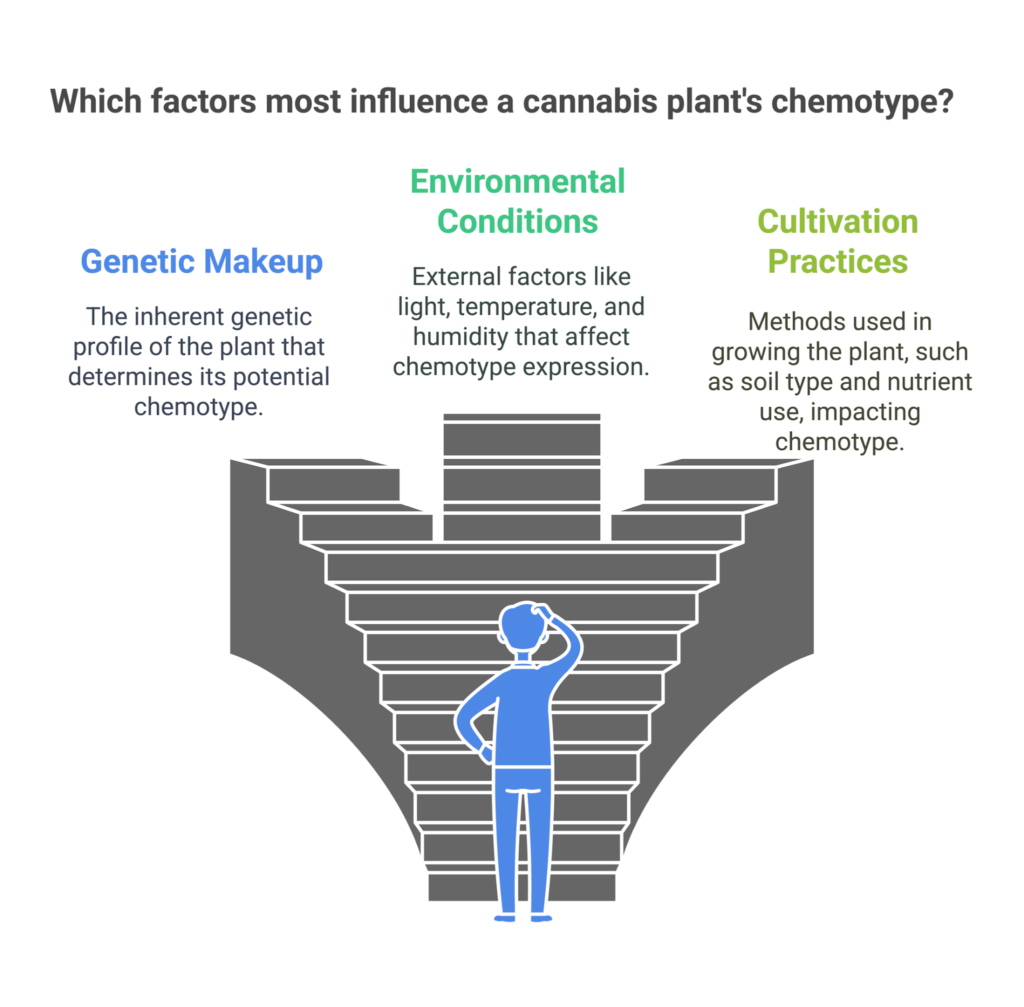
A cannabis plant’s chemical phenotype is driven by multiple factors: genetics, environment, and cultivation techniques. Even well-bred genetics can express unexpected traits if the environment is not optimal. That’s why you’ll see noticeable differences in cannabis potency when the same cultivar is grown under distinct conditions.
Environment and Genetics in Harmony
An ideal combination of good genes and a suitable environment yields top-notch cannabis spp. If you track your operation using correlation analysis, you might find that certain environmental tweaks are positively correlated with better terpene output or a higher THC ratio.
- Crisp, stable temperatures can prevent harsh transformations in chemical constituents.
- pH-balanced growing mediums support robust cannabis flower development.
- Proper lighting schedules help you control photoperiods, leading to stable THC and CBD concentrations.
- Balanced fertilization is essential to keep morphological traits consistent and reduce stress.
All these elements form the backbone of any quality control plan, ensuring your end product remains largely consistent.
Cultivation Tweaks for Desired Chemotypes
If you want to steer a crop toward CBD dominant or THC dominant, you’ll need more than good seeds. You also must refine your methods, from adjusting the light spectrum to fine-tuning the nutrient regimen.
- Unsupervised hierarchical clustering can reveal which plants are on track to develop the chemotype you’re after.
- Plant sci merges with horticulture, letting you tweak factors like nutrient solutions for precise outcomes.
- Multiple discriminant analysis can predict how each seedling might respond to different techniques.
- Drug types (pure THC or high-THC) may need extra care to prevent hermaphroditic traits that can sabotage potency.
No matter what your goal is, a deep dive into cannabis chemotype helps you shape the aroma, flavor, and potential medicinal properties of your harvest.
Conclusion
When you grasp how cannabis chemotype underpins different cannabis strains, you’re empowered to make better choices at the dispensary. From THC dominant to CBD dominant and everything in between, the interplay of cannabinoids and terpenes fosters a dazzling spectrum of effects. By applying tools like principal component analysis, canonical correlation analysis, ward’s minimum variance method, and multiple correlation, experts strive to keep your favorite cannabis cultivars consistent in their chemical composition. Ultimately, each cannabis species—be it cannabis sativa L, cannabis indica, or any hybrid—represents a unique blend of genetics, environment, and science, resulting in the variety you love exploring.
Frequently Asked Questions
How do I choose the right chemotype?
Start with low-THC strains or balanced/CBD-dominant options for milder effects. Pay attention to how each type makes you feel and check product labels for THC and CBD content to guide your choice.
Are terpenes just about aroma?
No, terpenes also affect how cannabinoids interact with your body, shaping your experience through synergy with the dominant cannabinoid in a strain.
Can environmental changes alter a strain’s chemotype?
While they can cause slight variations, they won’t turn a CBD-dominant strain into a THC-dominant one. Proper lighting, nutrients, and humidity can optimize the genetic potential and slightly adjust cannabinoid levels.