Key Takeaways
- Beneficial insects are bugs that naturally control cannabis pests.
- The best are predatory mites, lacewings, and ladybugs.
- These insects assist in the maintenance of cannabis health and production.
- Plant companion flowers to help attract these insects.
Cannabis cultivation isn’t just about soil, light, and nutrients—it’s also about balance. Beneficial insects play a vital role in creating a thriving, pest-free environment for your plants. From pest control to pollination, these natural allies can improve yields, reduce the need for chemical pesticides, and foster healthier growth. Let’s explore how to harness the power of beneficial insects to optimize your cannabis cultivation.
What Are Cannabis Beneficial Insects?
Cannabis beneficial insects are natural predators, pollinators, or decomposers that help improve the health and productivity of cannabis plants. These insects work as allies in the cultivation process, targeting harmful pests like spider mites, aphids, and whiteflies while promoting plant vitality. Beneficial insects such as ladybugs, predatory mites, parasitic wasps, and certain types of beetles can significantly reduce the need for chemical pesticides, creating a more sustainable and eco-friendly growing environment. By introducing or attracting these insects to your cannabis grow, you can maintain a healthy, balanced ecosystem that supports robust plant growth.
Common Cannabis Pests
Below are some common notorious pests and their effects on cannabis crops:
| Pest | Description | Effects on Cannabis Plants |
| Spider Mites | Spider-like pests that weave webs on leaves and stems. | Leaf drop, yellow leaves, stunted growth, and a reduced yield. Severe infestations of plants. |
| Aphids | Small, pear-shaped insects that cluster on stems and leaves, sucking cannabis plant sap. | Curled, yellow, or wilted leaves; mold. |
| Whiteflies | Small insects that are white and moth-like. | Suck sap from leaves, causing yellowing, wilting, and leaf drop. Their excretions promote the growth of mold. |
| Fungus Gnats | Small black flies whose larvae feed on plant roots. | Root damage, stunted growth, reduced nutrient uptake, and high risk of root diseases. |
| Thrips | Slender insects that feed on plant tissue. | Silvery/bronze leaf discoloration, stunted growth, and leaf deformation. |
| Caterpillars | Moth or butterfly larvae. | Holes in leaves and buds, reduced photosynthesis, and bud quality. |
| Mealybugs | Soft-bodied insects covered in a white or powdery substance. | Yellow leaves, stunted growth, and mold. |
| Leaf Miners | Larvae that burrow between leaf layers. | Visible trails or blotches on leaves, reducing photosynthetic efficiency and overall plant health. |
| Root Aphids | Subterranean aphids that attack plant roots. | Wilting, poor nutrient uptake, yellow leaves, and stunted growth. |
| Russet Mites | Microscopic mites that target cannabis plants. | Browning or yellowing of leaves, curling tips, and damaged buds. Severe infestations kill plants. |
What are the best beneficial insects for cannabis?
There are several beneficial insects that help control plant pests, including praying mantises, rove beetles, beneficial nematodes, dragonflies, Trichogramma, hypoaspis miles, and parasitic wasps. The best beneficial predatory insects are
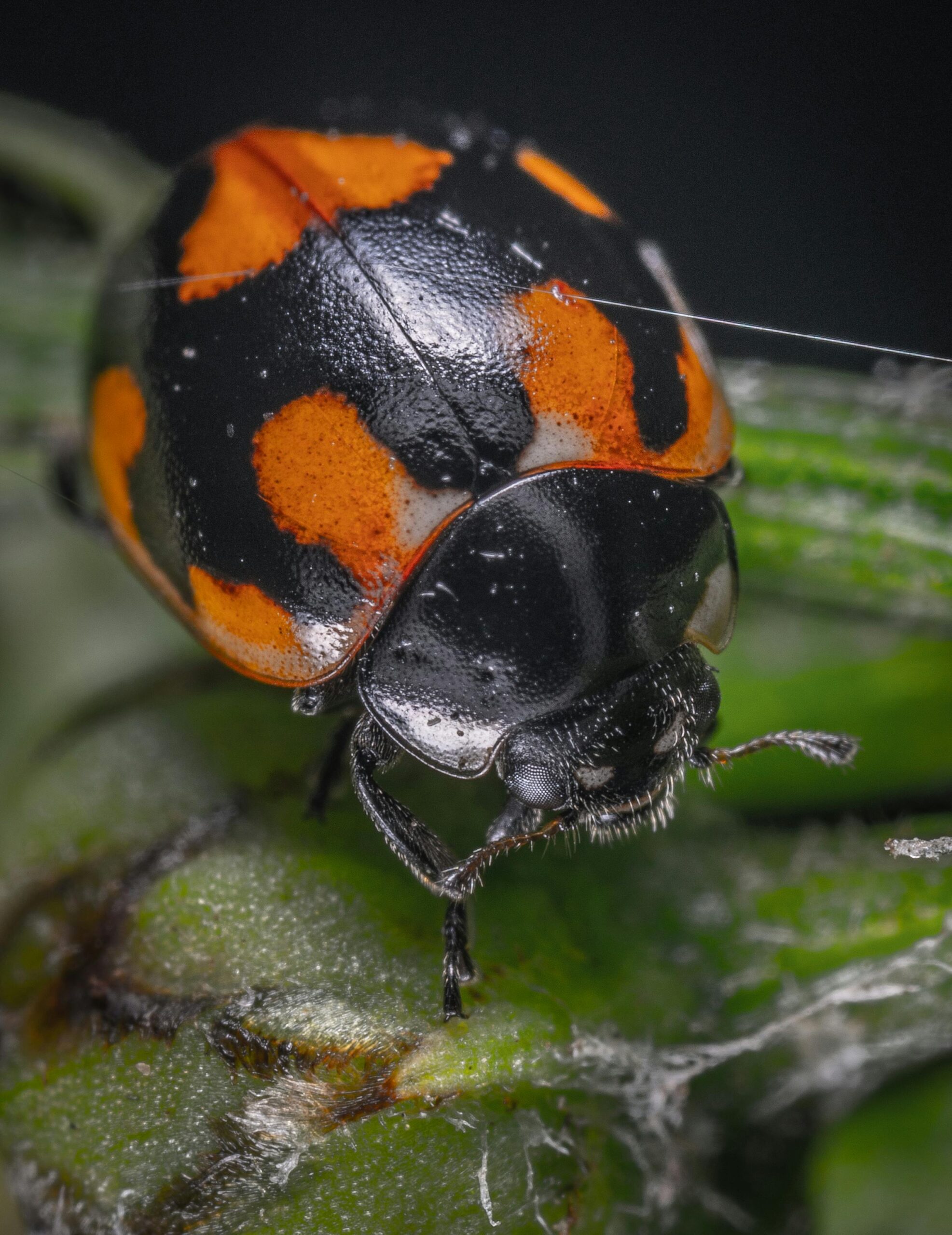
- Ladybugs: Help deal with aphids and other pests.
- Predatory Mites: Help reduce spider mite populations.
- Green Lacewings: Their larvae consume thrips and aphids.
Ladybugs
Ladybugs are the best for controlling aphids. A single ladybug can consume up to 50 aphids a day. Here’s how to get them:
- Get your ladybugs from a reputable supplier.
- Strategically release them when aphid numbers are high.
Once in your garden, constantly keep tabs on them. Look for signs of reduced aphid populations. If you notice a persistence of aphid infestations, consider additional measures like Spinosad products for direct aphid control.
Predatory Mites
Predatory mites help manage spider mites. Predatory mites thrive in warm, humid conditions. This helps these predatory insects stay active and ready to hunt down spider mites.
Getting the right number for your plants is key. Too few won’t be able to control the spider mites effectively, while too many will lead to an imbalance. Regularly check your plants and adjust the number of mites as needed.
Green Lacewings
Green lacewings/aphid lions are voracious in their larval stage. They can devour hundreds of aphids and thrips and reduce caterpillar populations in a week.
To attract them, plant flowers in the Apiaceae family, like dill and fennel, to provide nectar and pollen for adult lacewings. Also, minimize habitat disturbance and avoid excessive tilling/mowing.
Once lacewings are in your garden, remember:
- Lacewings need places to hide from predators. Consider adding small shelters or leaving some areas of your garden a bit wild.
- Organic pesticides can harm lacewings. Use them only when necessary.
- Monitor pest and lacewing numbers to ensure balance.
Integrated Pest Management (IPM) in Cannabis Cultivation
What is integrated pest management? Controlling pests in cannabis cultivation by combining prevention, monitoring, biological controls, and minimal chemical use to protect plants and the environment.
Key Components
- Prevention: Keep grow areas clean to reduce pest habitats. Use appropriate soil, fertilizers, and watering to enhance plant resistance.
- Conduct regular inspections for pests, diseases, or nutrient deficiencies.
- Introduce beneficial insects to naturally manage pests. Grow companion plants to attract them.
- Adjust planting schedules to disrupt pest life cycles. Ensure proper ventilation, optimal temperature, and humidity to make conditions unfavorable for pests.
- Handpick pests or prune affected leaves. Use barriers like netting or row covers to keep pests away. Employ sticky traps or yellow cards to capture flying insects.
- Chemical Control (as a last resort): If pest levels become unmanageable, use organic or targeted pesticides sparingly. Opt for cannabis-safe, eco-friendly products like neem oil or insecticidal soaps. Follow label instructions to avoid harming beneficial insects or leaving harmful residues.
Benefits of IPM:
These include:
- Reduced reliance on chemical pesticides.
- A sustainable and environmentally friendly cultivation operation.
- Improved overall plant health and yield quality.
- Minimized risks of pest resistance to treatments.
Creating a Welcoming Habitat
You can create a welcoming environment for these insects through:
Planting Companion Flowers and Plants
Companion flowers or plants help attract beneficial insects. Companion flowers include dill, fennel, and cilantro. You can also nurture companion plants like marigolds, nasturtiums, peppermint, garlic, and onions.
Minimizing Habitat Disturbance
Once you’ve got your flowers in place, it’s important to keep their homes safe. Try to limit how much you disturb the soil. Constant tilling and mowing can mess up the insects’ living spaces. Instead, consider no-till or strip-till practices.
Implementing No-Till Practices
By not turning over the soil, you preserve the habitat for beneficial insects. This practice also improves soil health and reduces erosion.
Benefits of Beneficial Insects
The economic and environmental advantages are
Cost-Effectiveness of Biological Control
These insects offer a cost-effective alternative to traditional chemical treatments, which can be expensive over time. Additionally, they provide ongoing pest control without additional costs since they multiply on their own.
Minimal Use for Chemical Pesticides
Beneficial insects reduce reliance on chemical pesticides. Pesticides often leave behind residues that can impact plant quality and disrupt the surrounding environment.
Supporting Biodiversity
Adding beneficial insects creates a diverse and more balanced ecosystem. This natural balance keeps pests under control without relying on harsh methods. Consequentially, cannabis farms become more resilient to environmental changes, causing a more sustainable and thriving operation.
Improving Plant Health
A balanced ecosystem where beneficial insects play a vital role results in improved plant health. These natural allies reduce the need for chemical interventions. This helps enhance plant resilience and robust yields.
Conclusion
Beneficial insects will help you grow healthy cannabis plants without relying on chemicals. So, next time you think of pest control, give these insects a shot. Your plants will thank you, and you’ll be doing the environment a solid.
Frequently Asked Questions
What are beneficial insects?
They are insects that aid you in the cannabis garden by eating the pests. They diminish the necessity of applying chemical pesticides which is better for your garden. Effective ones include ladybugs, predatory mites and lacewings.
What is Integrated Pest Management (IPM)?
Natural methods of keeping plants healthy and controlling pests without using chemicals.
How can I create a good home for beneficial insects in my garden?
Plant companion flowers or plants and use practices like no-till farming.