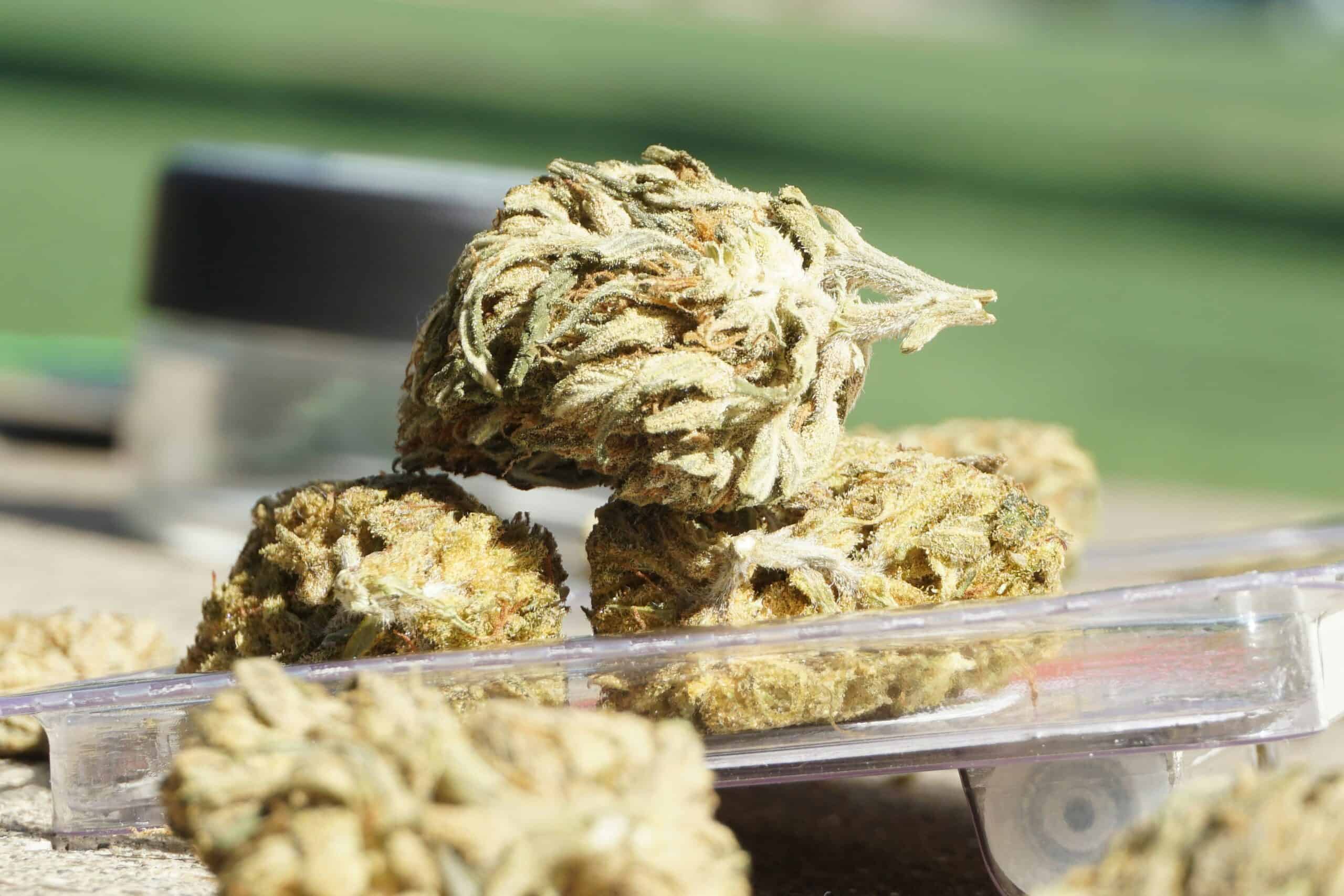
Bud rot, also known as gray mold, perhaps is the most dreaded plague to beset the small cannabis farmer. A fungal disease can kill your plants overnight by converting healthy buds to a sodden, useless pulp. Both indoor and outdoor growers are vulnerable to the threats that bring on bud rot, specifically in terms of high-humidity, poorly ventilated environments. It mostly occurs at the flowering stage when the buds are most vulnerable due to their dense nature. Knowledge of what triggers bud rot and how it is prevented can assist in safeguarding your crop.
Key Takeaways:
- Bud rot is caused by the fungus Botrytis cinerea, which mainly targets cannabis buds.
- Conditions like high humidity, poor airflow, and moisture buildup create the ideal environment for the fungus to spread.
- You can prevent bud rot by improving airflow, reducing humidity, and using preventive treatments like neem oil.
What Is Cannabis Bud Rot, and How Does It Affect Your Plants?
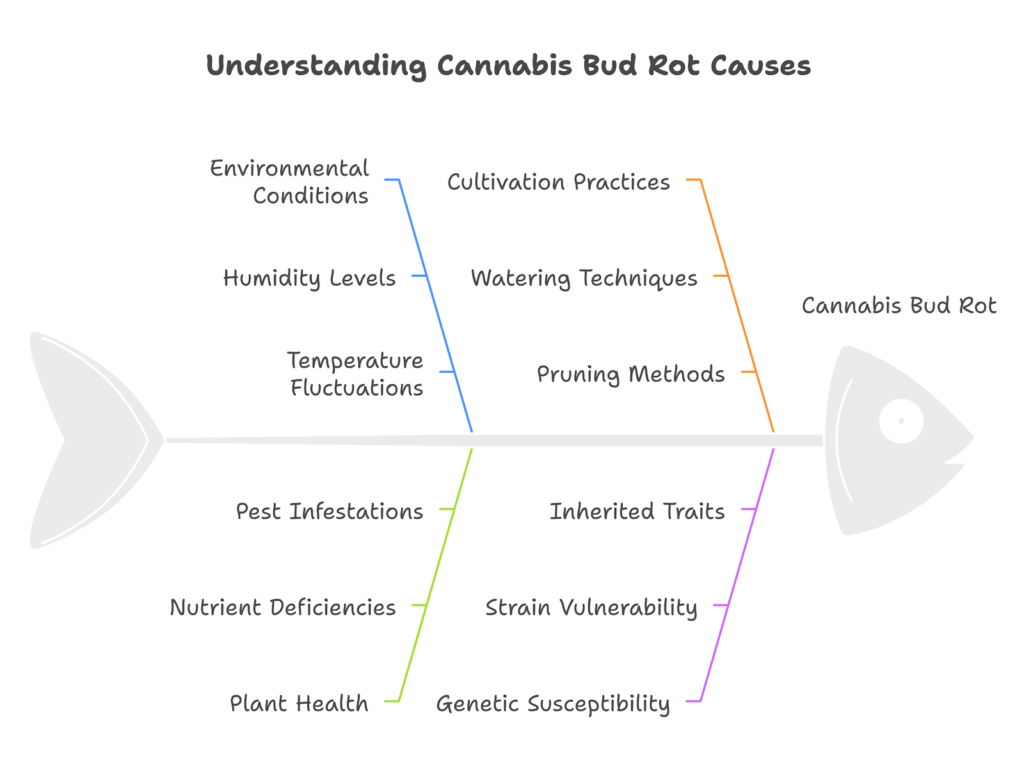
Bud rot is a fungus infection by Botrytis cinerea. It usually starts in the tightly packed buds of cannabis plants, especially in the late flowering phase. The fungus often begins growing from deep within the buds, which makes it invisible until it has caused a great deal of damage. Infected buds become gray, mushy, and not usable. Left untreated, the mold can then move to other parts of the plant and destroy your crop.
How Does Bud Rot Develop?
- Water and Humidity: Bud rot favors wet conditions and high humidity.
- Poor Air Ventilation: Dense buds and overcrowding of plants limit air circulation, trapping moisture and encouraging the growth of molds.
- Temperature Variation: Warm humid environments with abrupt temperature changes will accelerate the growth of fungi if the plants stay wet for a long time.
Symptoms to Watch For
- Buds turning brown or developing a dusty gray layer.
- Mold spores visible on infected buds.
- A damp, musty odor coming from cannabis buds.
When bud rot progresses, it compromises the quality and usability of the cannabis plant, often making the affected material unsafe to smoke or consume.
How Can You Prevent Bud Rot in Cannabis Plants?
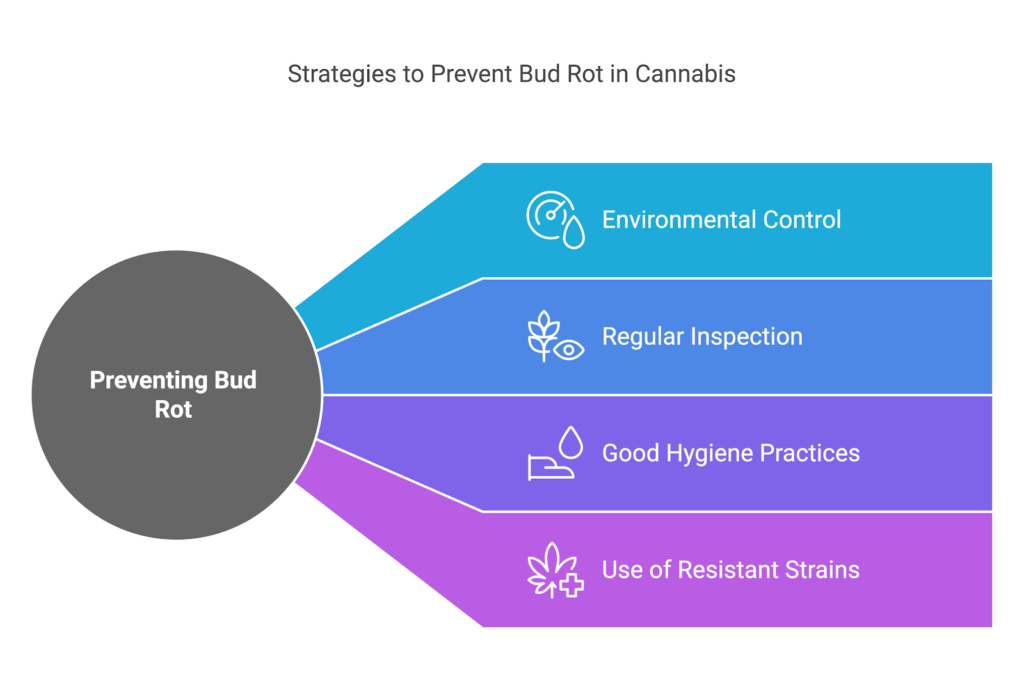
Preventing bud rot is all about controlling environmental factors like humidity, airflow, and temperature. Proactive measures can save your cannabis plants from this damaging mold infection.
What Environmental Conditions Encourage Bud Rot?
High Humidity and Moisture
- Bud rot thrives in moist conditions with excess moisture lingering on plant material.
- Relative humidity levels above 50% can increase mold growth risks.
Tips to Control Humidity:
- Use a dehumidifier in your grow room.
- Maintain proper spacing between cannabis plants to allow airflow.
- Harvest early if prolonged wet conditions persist.
Poor Air Circulation
- Without an exhaust fan or adequate ventilation, humid air can stagnate.
Improving Air Circulation:
- Install oscillating fans to ensure even airflow.
- Use proper spacing to reduce crowded conditions.
Can Neem Oil Help Prevent Mold?
Neem oil, a natural fungicide, can protect your cannabis plants from gray mold and other fungal infections. Apply it during the vegetative stage to create a protective barrier against mold spores.
What Should You Do If You Spot Bud Rot?
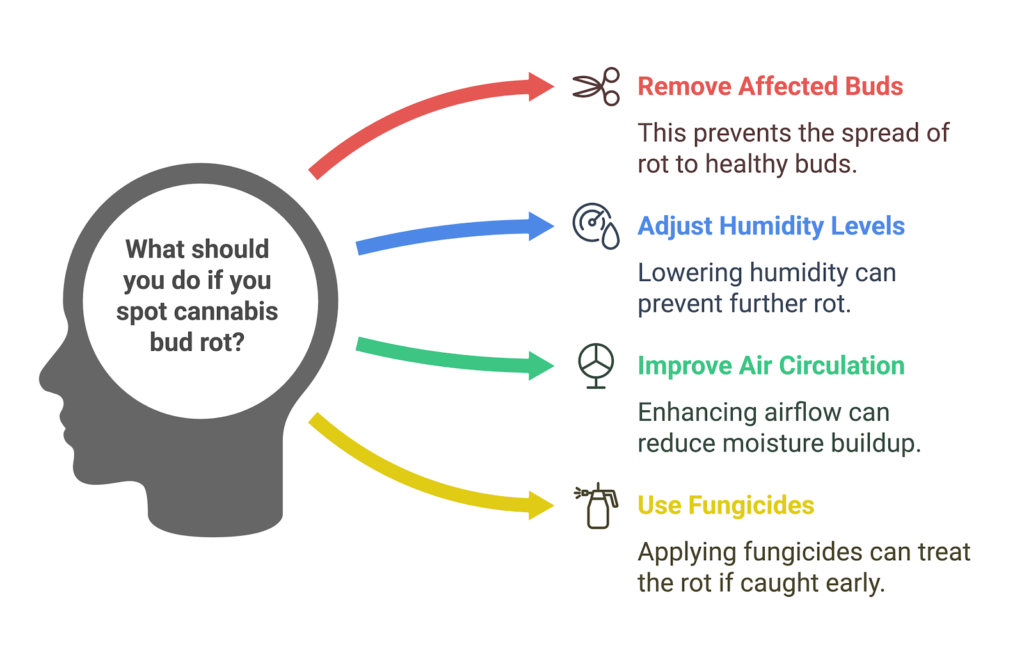
Detecting cannabis bud rot early can save your crop. If you notice signs of infection, act quickly to stop bud rot from spreading to healthy plants.
Immediate Actions to Take
- Remove Infected Buds: Carefully cut away moldy buds to prevent further contamination.
- Dispose Safely: Do not compost infected plant material; discard it in sealed bags.
Steps for Outdoor Growers:
- Harvest early if bud rot is detected and weather conditions remain moist.
- Use covers to shield outdoor plants from excess moisture.
Steps for Indoor Growers:
- Adjust grow room conditions by lowering humidity and increasing air circulation.
- Avoid overwatering to minimize excess moisture.
Preventing Future Infections
- Sanitize tools and grow spaces after handling infected plants.
- Monitor humidity levels with a hygrometer.
How Does Cannabis Bud Rot Impact the Drying Process?
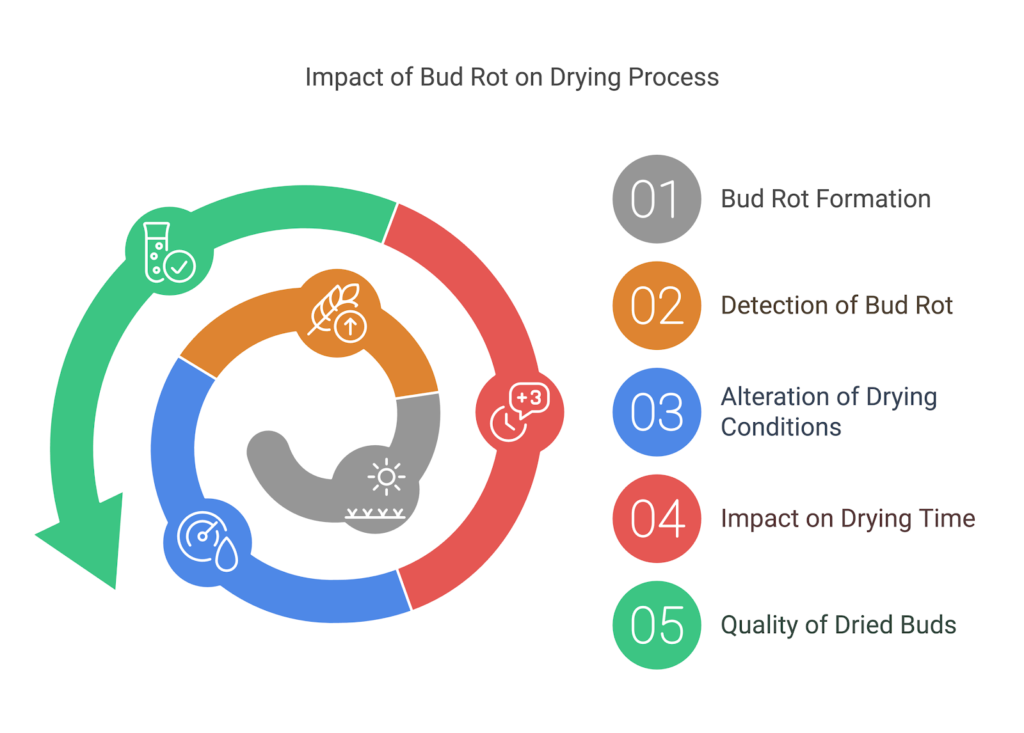
Bud rot doesn’t just harm your plants during the growing phase; it can also affect the drying and curing process. Wet buds are particularly susceptible to mold infections, which can ruin your harvest.
Ensuring Proper Drying
- Keep drying rooms at a relative humidity of 45-55%.
- Use an exhaust fan to maintain air circulation.
- Space out buds to allow airflow around all the buds.
Storing Cannabis Safely
- Use airtight containers like mason jars for cured cannabis.
- Check for any signs of moldy buds during the curing process.
Comparison Chart: Indoor vs. Outdoor Growing and Bud Rot Risks
| Factor | Indoor Growing | Outdoor Growing |
| Humidity Control | Easier with tools like dehumidifiers | Depends on weather conditions |
| Air Circulation | Managed with fans and exhaust systems | Relies on natural airflow |
| Mold Prevention | Requires vigilant monitoring and adjustments | Higher risk in prolonged wet or humid seasons |
| Reaction to Bud Rot | Easier to isolate and treat affected plants | Requires rapid removal to prevent field spread |
Conclusion
It can be quite frustrating to have Cannabis bud rot problems in cultivation; but knowledge of causes, early identification of the onset, and providing the optimal growth environment would reduce such challenges considerably. In knowing how it manifests and occurs, early identification will not be impossible. Regular observation, adequate flow of air, and regulation of humidity would guarantee keeping your cannabis mold-free and healthy. Remember, prevention is far better than cure, so ensure proper cultivation practices to have a successful and bountiful harvest.
FAQs About Cannabis Bud Rot
What is Cannabis Bud Rot, and What Causes It?
Cannabis bud rot, or botrytis fungus, is a mold that infects marijuana buds in moist conditions. It starts as dusty gray spores and can turn buds dark purple or white. Excess moisture, water vapor, and humid environments create the ideal conditions for its growth.
How Can I Prevent Bud Rot in My Cannabis Plants?
Prevent bud rot by controlling moisture, improving air circulation, and reducing humidity. Ensure less dampness and maintain ideal temperatures. Harvest on time and inspect plants regularly for gray spores or mold to catch issues early.
What Should I Do If My Cannabis Plants Develop Bud Rot?
Remove infected buds immediately to stop mold spread. Address moisture issues and improve airflow. Prevention is key, as reversing bud rot is extremely difficult once it sets in.