

Key Takeaways
- Cannabidiol, or simply CBD, helps pets with uneasiness, violent attacks, and pain relief, while higher THC concentrations are said to be harmful to them.
- Similarly to humans, pets also have an endocannabinoid system that works with cannabinoids and has great consideration in the body.
- CBD oils are the most common pet products that are also widely accessible in the market.
- Proper safety standards should always be maintained alongside the right dosage.
- While CBD is effective in curing chronic ailments, one must be careful towards using THC.
As products containing cannabis are getting normalized, people are starting to wonder if they could be beneficial to other companions, that is, pets. Without a doubt, CBD and THC are popular chemicals in the cannabis plant that benefit medicine, especially veterinary medicine, if used with caution. This article explains the science behind these compounds and their effects on pets so that they can be used responsibly.
What Are CBD and THC
Cannabidiol and tetrahydrocannabinol, more commonly known as CBD and THC, respectively, are cannabinoids or active compounds within the cannabis plant.
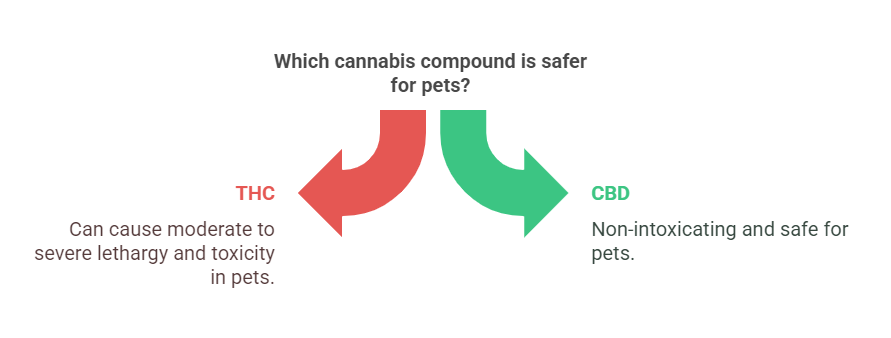
CBD is largely therapeutic with little to no psychoactive interaction compared to THC, which results in a ‘high’ feeling. THC also happens to be a popular choice with pets for seizures, anxiety, or pain management.
How CBD and THC Are Derived from Cannabis Plants
CBD is usually sourced from hemp plants, which are a variety of cannabis sativa and contain less than 0.3% of THC. Contrarily, marijuana plants contain a relatively higher concentration of THC. Hemp-derived products are legal in numerous regions and, therefore, are extensively used in CBD pet products owing to their safety profile.
Key Differences Between CBD and THC in Pet Care
The Endocannabinoid System in Pets: How It Works
Pets have an endocannabinoid system that factors in several bodily functions, including their mood, pain, and appetite.
What Is the Endocannabinoid System?
The ECS, or endocannabinoid system, is a collection of different cannabinoid receptors (CB1 and CB2), their enzymes, and endocannabinoids that function in unison to modulate critical elements such as pain, appetite, and mood in a person or living organism.
How Dogs and Cats Respond to Cannabinoids
The specific receptors in dogs and cats that respond to cannabinoids, called the ECS, are distributed throughout their entire body. Relative to other species, they also have a significantly higher brain concentration of CB1 receptors, which demonstrates their sensitivity to cannabinoids.
Moreover, their predisposition to the violent and unfavorable effects of THC demonstrates how cannabinoids affect dogs and cats.
Benefits of CBD and THC for the Pet’s Well-Being
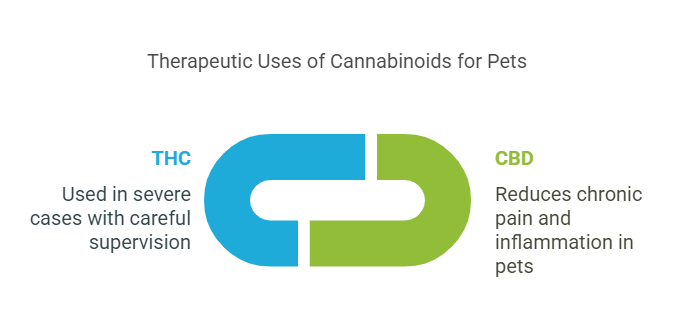
CBD enables the reduction of chronic aches and inflammation for pets that are not in dire conditions. In cases that are rare but severe, like cancer or terminal illness, THC may be used but with careful and recommended supervision because the risks are higher than the possible benefits.
CBD Products for Pets: Options, Benefits, and Usage
CBD is available in many forms for pets such as tinctures, pills, and treats. These products help in reducing anxiety and inflammation while providing relief for chronic pain.
Types of CBD Products for Pets
The different pet CBD products include oils, capsules, tinctures, and custom-made treats. All these products are flavored with chicken, beef, or fish, making them appealing to pets. These products are made keeping in mind the sufficient alcohol level to ensure pet safety.
Benefits of Consistent Use of CBD Oil
Pets suffering from arthritis, anxiety, and epilepsy over long periods show positive results with routine use of CBD oil. Using the oil regularly also benefits pets by decreasing inflammation and encouraging less sedentary behavior as they age.
Broad Spectrum vs. Full Spectrum Extracts
CBD products that are broad spectrum contain all the cannabinoids except THC. Full-spectrum extracts, on the other hand, include THC in small quantities (not more than 0.3%). Both of them cause the entourage effect, but broad-spectrum extracts are more favorable because of the absence of THC.
Risks of High THC Exposure and Cannabis Toxicity in Pets
Understanding the Risks of Higher THC Concentrations
When it comes to dogs and cats, the toxicity levels of cannabis can rise due to higher THC concentrations, especially for small pets. This is because animals metabolize THC differently from human beings. As such, even a small trace can be harmful.
Managing Cannabis Toxicity: What to Do
In the event of your pet going under THC intoxication, the first thing to do is:
- Call your veterinarian since they will assist you in this situation.
- In the meantime, always keep your pet well-hydrated and calm.
- Trying any home remedies should be avoided. Professional help is needed in the form of IV fluids along with activated charcoal.
Dosage Guidelines and Safety Standards for CBD and THC in Pets
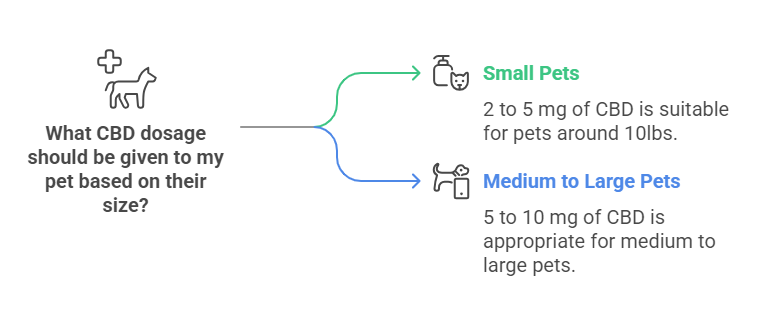
The right amount of CBD for your pet is based on the pet’s weight and the condition it’s being treated for.
Proper Dosage Based on Size and Species
It is important to start with low doses and gradually increase under the supervision of a vet.
Recognizing Other Side Effects of CBD and THC
CBD is generally safe, however, some side effects include
- Sleepiness
- Dryness in the mouth
- Change in appetite
The risks of THC exposure are far more dangerous and may include the following: urinary incontinence and major cognitive disorganization.
Legal Limits and FDA Guidelines for CBD Products
The FDA rules state that CBD pet products must not contain more than 0.3% THC. Ensure that products are third-party tested for safety and purity.
Clinical Studies and Research on CBD and THC for Pets
What Research Tells Us About CBD for Pain Management: Recent studies indicate that CBD is effective in reducing inflammation, making it very useful for pets suffering from arthritis. Its ability to mitigate inflammation and chronic pain makes it a non-psychoactive and effective solution with few side effects.
Studies on THC Use in Severe Cases: There is not enough research on the impact of THC on pets, but limited studies prove it may provide aid in severe or terminal situations. Puppies requiring this type of care might need very specific dosages while being closely monitored by a veterinarian.
The Role of Veterinary Medicine in Developing Safe CBD Products: Veterinarians are stakeholders when it comes to the creation and endorsement of CBD products for pets to ensure that ethical standards have been met.
How to Choose the Right Product for Your Pet
Tips for Pet Parents When Selecting CBD or THC Products
- When selecting a product, ensure:
- It has been made for animals.
- There is no more than 0.3 percent THC.
- It has a Certificate of Analysis (COA) from an accredited lab.
Questions to Ask Your Veterinarian
- Is there a benefit to using CBD or THC for my pet?
- What dosage is appropriate?
- What scale of risk does consumption pose while using my pet’s other medications?
The Importance of Third-Party Testing and Certification
Third-party testing helps ensure the product contains the amount of cannabinoids stated on the label while also testing for harmful substances such as pesticides or heavy metals. Only buy products that have a certificate of analysis.
Conclusion
From relief of pain and alleviating anxiety, these compounds can do wonders for your pet’s mental well-being. As helpful as they are, their use should always be avoided if you want to use THC due to the multitude of side effects it poses. If you are a pet owner, the logical thing to do is buy high-quality products that have been tested by third parties and seek the advice of your vet before adding these compounds into your pet care routine.
Frequently Asked Questions
Can CBD Help with My Pet’s Pain?
CBD does help with pain relief owing to its pain-relieving and anti-inflammatory properties, enabling your pets to move freely even with arthritis or injuries.
Is THC Ever Safe for Pets?
THC usage can be considered in unavoidable cases like terminal diseases. The usage should be in low dosage and under veterinary supervision.
What Should I Do If My Pet Accidentally Ingests Marijuana?
Administered treatment should be sought right away. Depending on the amount consumed, the pet could vomit or seem disoriented; both cases would need prompt treatment.
How Do I Determine the Right Dosage for My Pet?
Follow the ‘start low’ rule and give them a low dose, 2 – 5 mg per 10 pounds of body weight, and consult a veterinarian for an accurate prescription.
Are CBD Products Legal for Pets?
Yes, provided they contain less than 0.3% THC. Always choose products compliant with local regulations and FDA guidelines.