Key Takeaway
- Homeostasis in cannabis growing refers to internal plant regulation with a focus on achieving the best conditions for plant growth, development, and cannabinoid production.
- Cannabis plants have an endocannabinoid system that regulates their tension, growth, and immunity.
- The plant’s equilibrium is influenced by environmental factors such as temperature, light availability, and nutrients.
- The knowledge of the functions of the cannabinoid receptors, CB1 and CB2, in cannabis cultivation can also assist in keeping the plants in proper health and maximizing the production of cannabinoids.
Homeostasis in cannabis cultivation is the state of balance within the plant and its environment. Achieving homeostasis is crucial to maximizing plant health, stimulating cannabinoid synthesis, and enhancing the plant’s ability to deal with environmental changes. This article explores the mechanisms through which homeostasis occurs in cannabis, including the influence of ECS and interaction with the external environment to achieve the desired state for optimal growth and optimal medical action.
What is Homeostasis in Cannabis Cultivation
Homeostasis is the mechanism that enables organisms to keep their internal environment constant even when the external environment changes.
The Homeostatic Balance in Cannabis Plants
Every cannabis plant cultivator possesses a unique biological system that is greatly influenced externally and internally. It depends on the plant’s ability to “balance” itself via transpiration, nutrient absorption, hormonal control, and various other techniques.
Such balance enhances the plant’s ability to withstand stress infection and develop the pure quality of its cannabinoids. To understand how to cultivate cannabis, one must never forget how to establish optimum settings that can further manipulate harmony in cannabis [1].
How Does the Endocannabinoid System Influence Cannabis Cultivation
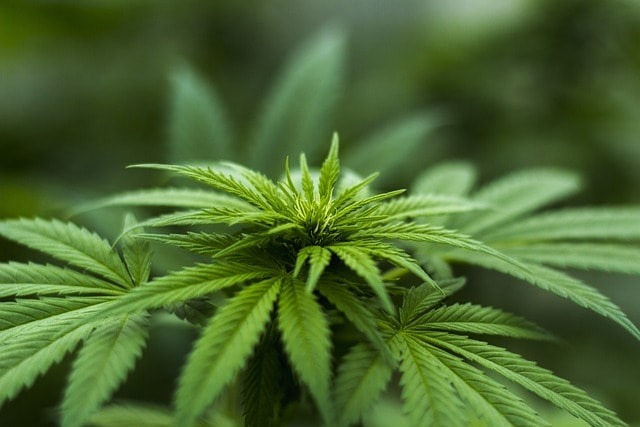
The endocannabinoid system, or ECS, maintains growth patterns, system development, and stress responses of cannabis pants.
The Role of the Endogenous Cannabinoid System in the Cannabis Plant
The main function of endocannabinoids in cannabis is plant growth regulation. Cannabis plants are equipped with an endocannabinoid system like the human body, resulting in the cellular process in the plant being active. The ECS acts as a regulator of the development, growth, and stress management in cannabis plants, essentially ensuring homeostasis is maintained within the organism.
Understanding Cannabinoid Receptors in Cultivation
The cannabis plant contains THC and CBD, which are cannabinoids that easily bond with CB1 and CB2, the common cannabinoid receptors. These receptors target different physiological functions like growth and immune response. These receptors can be turned on or off depending on light, nutrition, and temperature, which provides an advantage to growers looking to increase the plant’s health and cannabinoid content.
How Does Cannabis Achieve Cellular Homeostasis
Homeostasis in cannabis cells is achieved through endocannabinoid signaling mechanisms, a type of natural binding with cannabinoid receptors to perform specific cell functions.
Endocannabinoid Signaling in Cannabis Cells
The cannabis cells naturally possess molecules that act with cannabinoid receptors to perform administrative functions, such as communication and immune response, within the cells.
These molecules assist the plant in achieving homeostasis at the cellular level by intercepting other cell processes, such as the firing of neurotransmitters and the growth of nerve cells.
The ECS also protects the plant from stress and inflammation by modulating the immune response to inflammation and other related activities.
The Role of Major Endocannabinoids in Maintaining Balance
Anandamide and 2-AG allow the regulation of balance in the cannabis plant and the human body. If they are not synthesized and then integrated into the cannabis system, the plant will not be able to respond appropriately to factors such as drought or any disease.
The cannabis plant is adept at responding to changes by producing endocannabinoids whenever needed. This enables the plant to achieve its homeostasis. Even if the environment is not conducive to the plant’s growth, it can still survive.
How Do Environmental Factors Affect Homeostasis in Cannabis Plants
Environmental factors such as temperature, humidity, light, and nutrient availability can significantly impact the plant’s ability to maintain homeostasis.
Temperature, Humidity, and Light Intensity
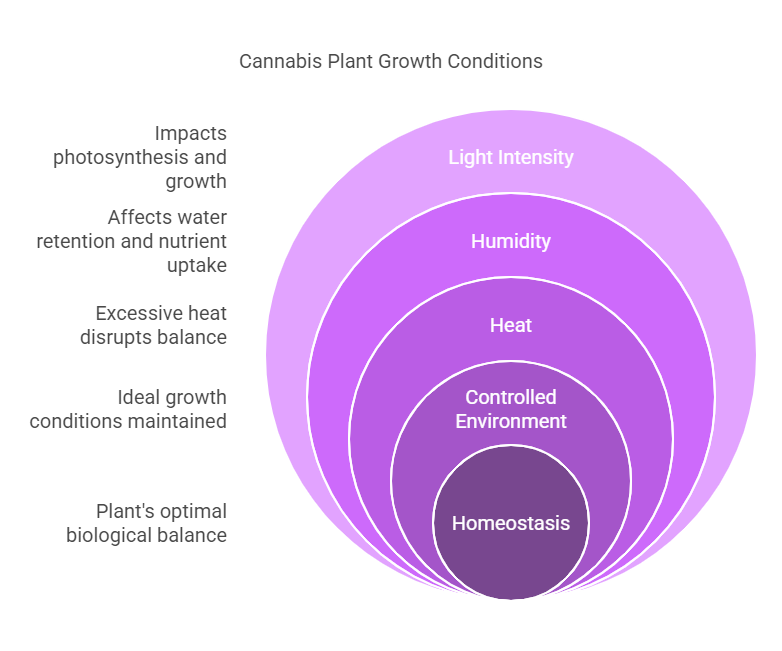
Factors such as heat, humidity, and ranging light intensity affect the ability of the plant to maintain homeostasis. For the cannabis plant to grow optimally, it needs specific conditions, and if it strays away from these conditions, it loses its balance.
For example, in excessive heat or extremely low temperatures, should a plant be grown, it will suffer growth inhibition and starvation of nutrients, which would stress the plant. Controlled environment conditions should be set to promote the plant’s ability to reach a steady state close to homeostasis, where its biological processes are highly efficient and function normally.
Watering and Nutrient Regulation for Balance
The cannabis plant can maintain its homeostasis if water and nutrients are available. Water regulation affects many aspects inside cells, such as nutrient uptake and transpiration.
An imbalance of nutrients can also compromise metabolic activities within the plant that influence its ability to produce and export high-grade cannabinoids.
However, regulating the water and nutrients efficiently will allow the plant, in biological terms, to achieve relative internal harmony.
What Impact Does Endocannabinoid Deficiency Have on Cannabis Cultivation
Insufficient synthesis of endocannabinoids may disrupt cannabis plants’ capacity to regulate the internal environment, possibly impacting their growth, immunological reactions, and even endocannabinoid production.
Clinical Endocannabinoid Deficiency Reconsidered in Plant Biology
Insufficient endocannabinoid levels for effective regulation of biological systems is what causes clinical endocannabinoid deficiency, which is mostly linked to human health. However, some researchers have speculated that a similar deficiency in endocannabinoids could exist in cannabis plants.
Such a deficiency in an endocannabinoid will definitely affect the growth and development of cannabis plants, leading to a decline in the plant health as well as the cannabinoid content [2].
The Effects of ECS Dysfunction in Cannabis Cultivation
ECS dysfunction may weaken the plants, allowing for reduced growth and greater chances of diseases, along with inducing difficulties in coping with environmental stresses in cannabis plants. The reduction in the endocannabinoid ECS functionality of cannabis may alter the plant’s immune cells, resulting in a decreased ability to combat infections.
They affect the plant at the cellular level, where such malfunctions decrease infection protection, and the cellular level, where homeostasis is compromised. The positive effect of composites is negatively impacted,d leading to lower quality and yield.
How Do Endocannabinoid Receptors (CB1 and CB2) Influence Cannabis Growth
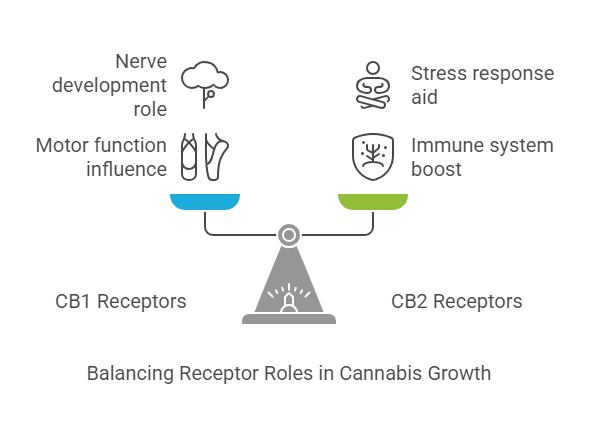
CB1 and CB2 receptors play an important role in the growth and development of cannabis plants.
CB1 Receptors and Their Influence on Cannabis Cultivation
Cannabis plant growth is regulated largely by CB1 receptors. These receptors account for motor function, nerve cell development, and immune activity. Such understanding enables cultivators to manage the environment in which the plant or cannabis plant is to stimulate adequate receptor expression, which eventually results in better growth and cannabinoid production.
CB2 Receptors and Their Potential Role in Plant Growth
CB2 receptors influence the immune system and are believed to contribute to regulating stress responses. As a result, the plant’s ability to cope with diseases, pests, and temperature fluctuations is optimized. Cultivators can enhance the CB2 receptor activity of the cannabis plant, enabling it to grow thicker and stronger.
How Can Cannabis Cultivation Restore Balance to the Endocannabinoid System
To achieve a healthy balance in the ECS, cannabis can be grown by optimizing certain weather conditions and making use of cannabinoids such as CBD and THC.
Therapeutic Potential of Cannabis-Derived Cannabinoids
Cannabinoids (such as THC and CBD) derived from cannabis may serve dual purposes in the therapeutic context of humans and plants alike.
For these compounds, cellular homeostasis maintenance, inflammation reduction, and the regulation of both the nervous and immune systems are achievable objectives by exercising these compounds with the endocannabinoid system.
By employing cannabis-derived cannabinoids in cultivation, plant health can be improved, and the therapeutic benefits of the cannabis yield can be extended further.
The Master Regulatory Network of the Endocannabinoid System
The bioregulator system has primary control functions that direct biological activities and processes, resulting in stability through homeostasis.
Understanding how to maximize ECD through cannabis cultivation allows the growing of plants with a greater accruable balance to promote levels of cannabinoids within them.
Conclusion
For cannabis to effectively be a plant with high therapeutic use, homeostasis must first be achieved during the process of its cultivation. High cannabis quality would be realized through the understanding of endocannabinoids and systems and plant biology enhancement. Therefore, achieving optimality during cannabis cultivation is essential for growers.
Frequently Asked Questions
What are the key factors that influence homeostasis in cannabis plants
The precise balance that cannabis plants aim to maintain can be aided by their right ambient as well as environmental factors such as temperature, light intensity, water, and nutrients.
How does the endocannabinoid system affect cannabis growth
The endocannabinoid system in cannabis is essential as it mediates immune, stress, and antioxidant responses and regulates cannabinoid production.
Can cannabis plants suffer from endocannabinoid deficiency
ECS malfunction can lead to stunted growth and lower stress tolerance.
How do CB1 and CB2 receptors influence cannabis cultivation
CB1 receptors have a role in motor function and nerve cell proliferation, while CB2 receptors influence the immune response and the stress response of cannabis plants.
References
- Morad, D., & Bernstein, N. (2023). Response of medical cannabis to magnesium (Mg) supply at the vegetative growth phase. Plants, 12(14), 2676. https://doi.org/10.3390/plants12142676
- Garrido, J., Rico, S., Corral, C., Sánchez, C., Vidal, N., Martínez-Quesada, J. J., & Ferreiro-Vera, C. (2022). Exogenous application of stress-related signaling molecules affect growth and cannabinoid accumulation in medical cannabis (Cannabis sativa L.). Frontiers in Plant Science, 13, 1082554. https://doi.org/10.3389/fpls.2022.1082554