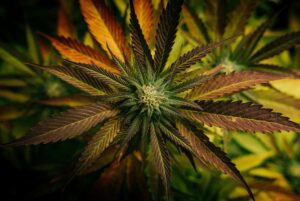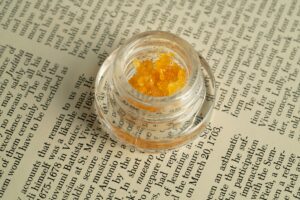

Understanding cannabis onset time and offset time is crucial if you want to optimize your cannabis experience. Whether you’re exploring cannabis sativa or other cannabis plants, different strains can produce unique effects. Factors such as THC dosage, oral THC versus smoked cannabis, and even your body’s metabolism can influence the initial onset and overall offset time. Dosage factors also play a significant role.
Key Takeaways
- Onset time and offset time can vary significantly between cannabis edibles and smoked cannabis.
- THC content and high doses can influence rapid onset, peak effects, and potential adverse effects.
- Heavy cannabis users may experience prolonged offset times due to chronic use and tolerance.
How Does Cannabis Onset Time Work?

Onset time depends on consumption methods, THC dosage, and individual physiology.
Smoking or Vaping
Smoking or vaping cannabis results in a rapid initial onset. Cannabis smoke delivers THC into your bloodstream quickly, producing peak effects within minutes and a relatively short offset time.
Key highlights include:
- Inhalation provides rapid activation of cannabinoid receptors.
- Faster onset often results in a stronger immediate impact.
- Smoking is favored by many for its immediate effects.
Edible Cannabis Factors
Edible cannabis requires digestion, which leads to a slower onset. When consuming cannabis edibles, THC must pass through your small intestine and liver, resulting in a delayed but prolonged offset period.
Key points to consider:
- Oral THC can take several hours to show effects.
- High doses may amplify the effects, particularly for frequent cannabis users.
- Edibles are highly dose-dependent in their impact.
For many users, the initial onset varies based on consumption methods, THC conditions, and individual factors. Let’s examine why offset times differ among various cannabis plants.
Why Do Cannabis Offset Times Differ?

Offset time can depend significantly on THC concentrations, other chemical compounds, and individual tolerance levels.
Strain Composition
Different cannabis plants, including cannabis sativa, have unique ratios of cannabinoids and terpenes. These chemical compounds may either extend or shorten the offset period depending on individual factors, such as chronic pain conditions.
Important considerations include:
- Some strains contain higher THC content.
- Chronic users might experience prolonged psychotic symptoms.
- Non-psychoactive elements can modulate psychosis risk in specific dosage scenarios.
Tolerance and Prolonged Use
For heavy users, the body’s metabolism may retain cannabinoids for longer periods. Chronic administration leads to a dose-dependent buildup, extending offset time and possibly increasing the likelihood of psychotic disorders or other adverse effects.
Key offset considerations:
- Prolonged storage of THC in body tissues.
- Extended half-life of cannabinoids.
- Increased risk of psychosis with prolonged use, particularly in individuals predisposed to mental illness.
Offset time is a complex interplay of strain genetics, dosage, tolerance, and your endocannabinoid system. Now, let’s delve into how consumption methods further shape onset and offset experiences.
How Do Consumption Methods Affect Onset and Offset?
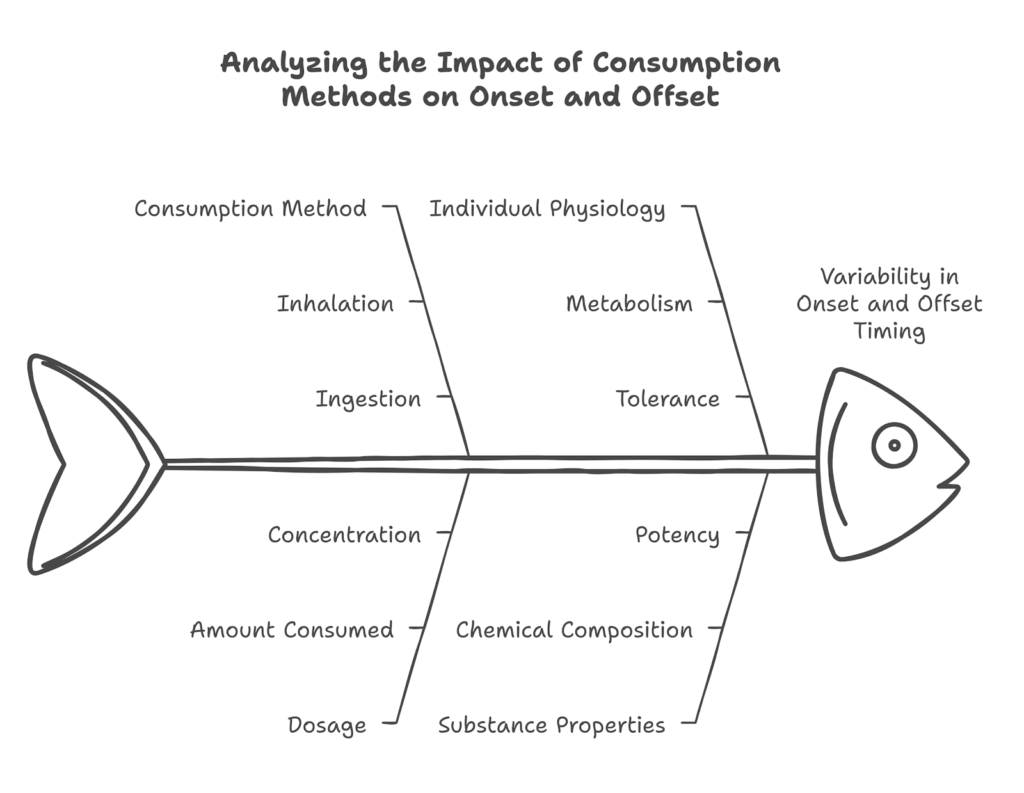
Different consumption methods influence the timing of initial onset and offset.
Smoking vs. Vaping
Smoking or vaping provides a quick onset. THC travels via the lungs into the bloodstream, resulting in immediate peak effects. However, this method typically has a faster offset compared to edibles.
Key points:
- Rapid onset can lead to stronger subjective effects, as noted in experimental pharmacology.
- Commonly used by both heavy users and new users.
- Smoking allows for immediate dose control.
The Oral Route
The oral route, such as cannabis edibles or oral THC solutions, undergoes significant metabolism. This method results in a slower onset, but offset time can last for several hours, often producing stronger effects.
Important details:
- Edibles are processed through the liver.
- Factors such as dosage and whether you consume them on an empty stomach can alter absorption rates.
- This method can alleviate chronic pain and reduce certain mental health symptoms over time.
By understanding the differences between smoking and edibles, you can better tailor your cannabis use. A narrative review from European studies emphasizes similar findings. Now, let’s explore broader, long-term considerations.
Are There Long-Term Factors to Consider?
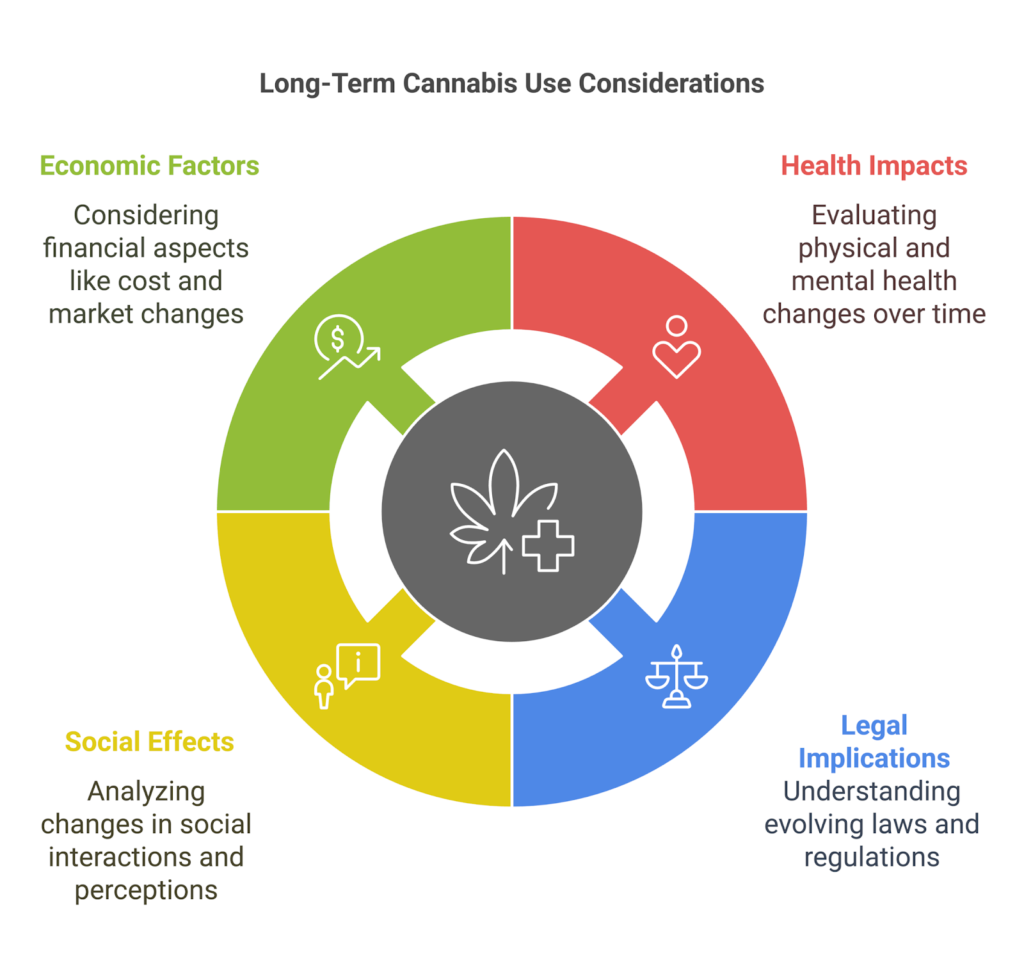
Long-term cannabis use can affect brain development, psychosis risk, and the way onset time evolves.
Tolerance and Chronic Administration
Frequent marijuana exposure can lead to tolerance, meaning higher THC doses are required to achieve the same effect. Chronic users may experience altered blood flow and increased sensitivity to THC.
Key points to remember:
- Chronic administration shifts the effects of cannabinoids over time.
- Higher doses may be necessary due to tolerance.
- Tolerance influences both onset and offset, often significantly.
Psychosis and High THC
Heavy users face a higher risk of psychotic symptoms, especially if they have a predisposition to psychotic disorders. Research suggests that high THC content can exacerbate mental health issues, making offset times more unpredictable.
Critical health considerations:
- Brain development may be affected in younger users.
- Frequent high doses can worsen psychotic symptoms.
- Seek professional help immediately if mental illness symptoms arise.
Comparison Chart
| Method | Onset | Offset |
| Smoking | 2-5 mins | 1-3 hours |
| Edibles | 30-120 mins | 4-8 hours |
Both methods vary based on THC content, dosage, and individual factors. Stronger forms of cannabis can alter these times.
Always consider your dosage, the strain used, and your personal health conditions carefully.
Conclusion
From your first experience to subsequent sessions, cannabis onset time and offset time depend on numerous factors, including consumption methods, THC levels, and individual tolerance. Whether you’re smoking or trying edibles, understanding how dosage affects you is crucial. A mindful approach can help you minimize the risks of psychosis or other adverse effects.
Frequently Asked Questions
Can Alcohol Influence Cannabis Onset Time?
Yes, alcohol can speed up cannabis onset by increasing THC levels in the bloodstream. However, it also raises the risk of psychosis and intensifies cannabis effects.
Do Heavy Users Have a Longer Onset?
Heavy users often have a delayed onset due to tolerance but may experience prolonged offset times from accumulated cannabinoids. Duration varies by individual, so monitor dosage and frequency.
How Can I Minimize Psychotic Symptoms from High THC?
Use lower doses, opt for non-psychoactive strains, and avoid mixing cannabis with alcohol. Stay hydrated, monitor THC intake, and consult a professional if you have mental health concerns.