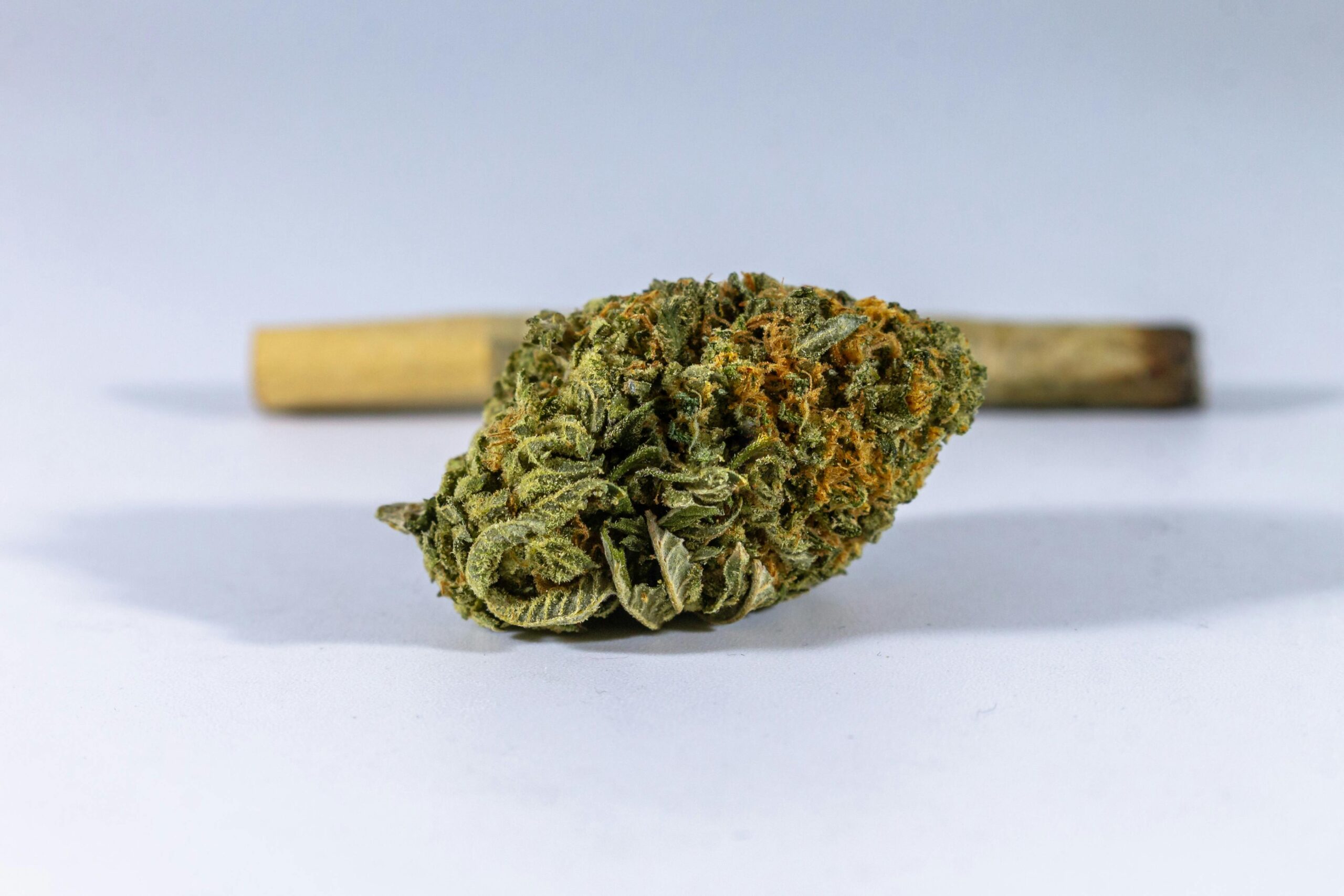
Minor cannabinoids are chemical compounds which occur in the cannabis plant in smaller amounts than major cannabinoids such as THC and CBD. Although they are in fewer amounts, they contribute to the general effects and the medicinal potential of the drug. Each minor cannabinoid has its properties, and therefore it has a range of potential health benefits.
Key Takeaways
- Minor cannabinoids are naturally occurring cannabinoids in cannabis sativa that may support both medicinal and recreational purposes.
- They interact with your endocannabinoid system and cannabinoid receptor sites, potentially offering pain relief and anti-inflammatory effects.
- Multiple cannabinoids, including major and minor cannabinoids, are being explored through observational studies and clinical studies to uncover their potential benefits.
What Are Minor Cannabinoids?
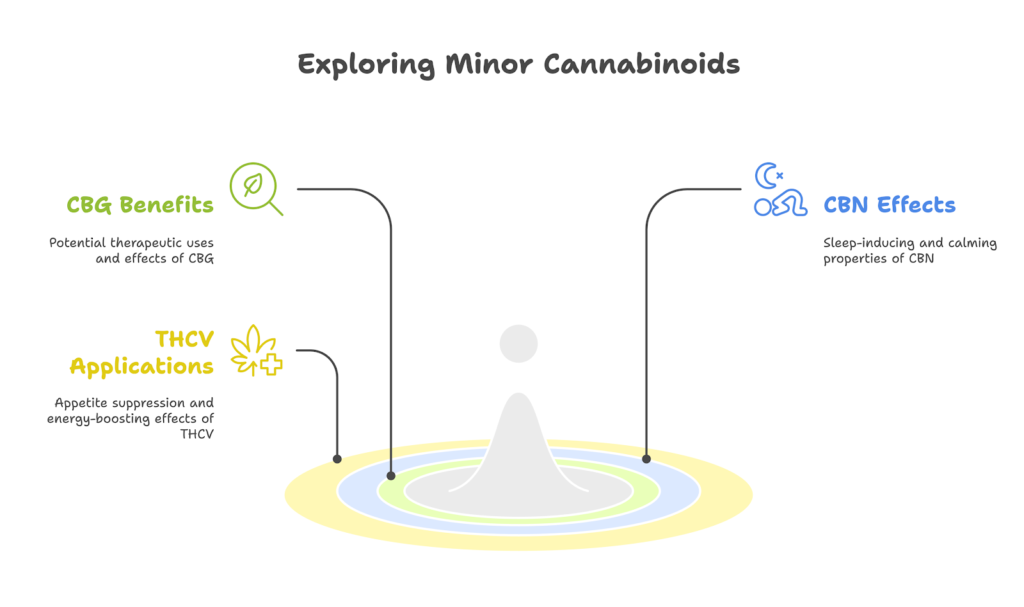
Minor cannabinoids are naturally occurring chemical compounds found in the cannabis plant in smaller quantities compared to major cannabinoids like THC (tetrahydrocannabinol) and CBD (cannabidiol). While they are less abundant, minor cannabinoids contribute to the plant’s overall effects and therapeutic potential. Each minor cannabinoid has unique properties, offering a diverse range of possible health benefits.
Examples of Minor Cannabinoids
- CBG (Cannabigerol)
Known as the “mother cannabinoid,” CBG is the precursor to THC, CBD, and other cannabinoids. It may support mood regulation, appetite stimulation, and anti-inflammatory effects. - CBN (Cannabinol)
Found in aged cannabis, CBN is associated with sedative properties and potential benefits for sleep disorders and pain relief. - CBC (Cannabichromene)
CBC may contribute to anti-inflammatory, antifungal, and neuroprotective effects, although research is still in its early stages. - THCV (Tetrahydrocannabivarin)
THCV has shown promise in managing appetite and blood sugar levels, making it of interest in metabolic health research.
What Makes Minor Cannabinoids Unique?
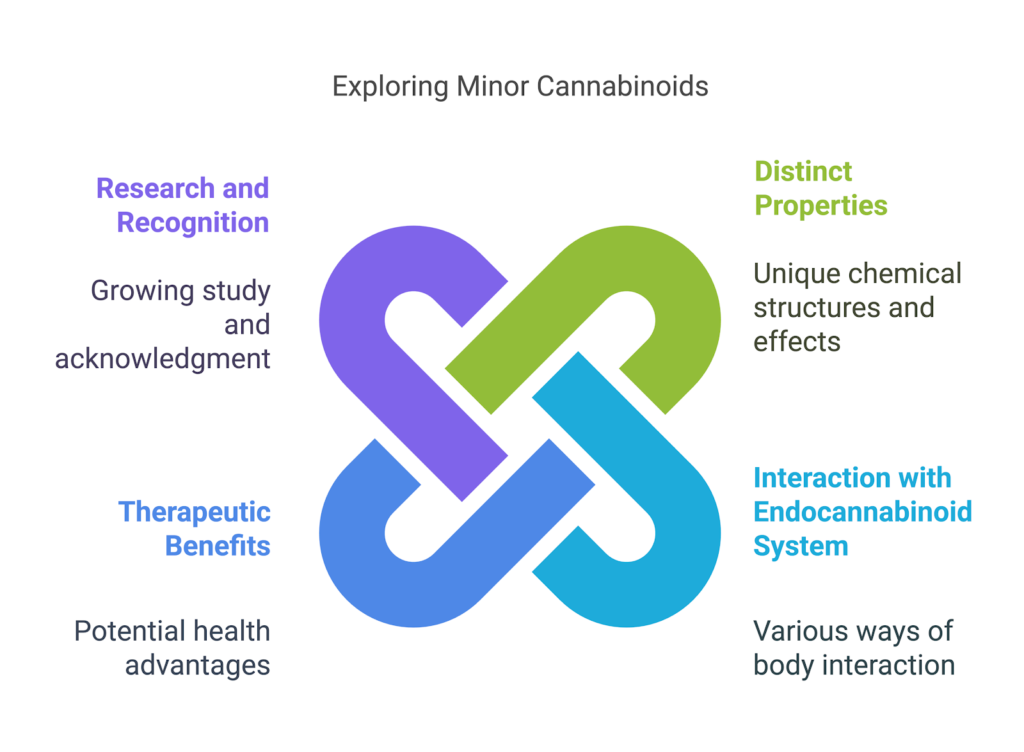
Minor cannabinoids differ from the two major cannabinoids—THC and CBD—mainly in their concentration and specific pharmacological effects. You often find them in low doses within the cannabis sativa plant, yet they may still yield significant results in a dose dependent manner.
The Role of Partial Agonist Activity
Many of these minor cannabinoids exhibit partial agonist activity at the cannabinoid receptor, meaning they can produce certain pharmacological responses but not as strongly as THC. As a result, you might experience fewer intoxicating effects compared to high-THC cannabis.
partial agonists can still influence how your body responds to various stimuli, especially if you’re looking for a balanced effect.
- They may deliver a weak anti nociceptive effect for chronic pain and neuropathic pain.
- They can provide anti inflammatory actions that help reduce inflammatory pain in a rodent model.
- They could offer anxiolytic effects for autism spectrum disorder or multiple sclerosis, based on animal models and systematic review findings.
Additionally, partial agonist activity might help with treating nausea or stimulating appetite, making minor cannabinoids potential appetite stimulant options for individuals in need.
Interaction with the Endocannabinoid System
Minor cannabinoids interact with your endocannabinoid system in complex ways. While major cannabinoids bind strongly to the cannabinoid receptor, the presence of other minor cannabinoids can modulate how signals are sent throughout the human body.
These subtle interactions could lead to varied outcomes, depending on your unique physiology.
- They influence transient receptor potential channels that regulate temperature and pain.
- Certain cannabinoids serve as endogenous ligands or mimic them to help maintain homeostasis.
- Some minor cannabinoids act on protein coupled receptor sites, affecting processes like camp inhibition and locomotor activity.
Altogether, these interactions highlight why cannabis research continues to explore the wide array of naturally occurring cannabinoids for their beneficial effects.
How Do Minor Cannabinoids Compare to Major Cannabinoids?
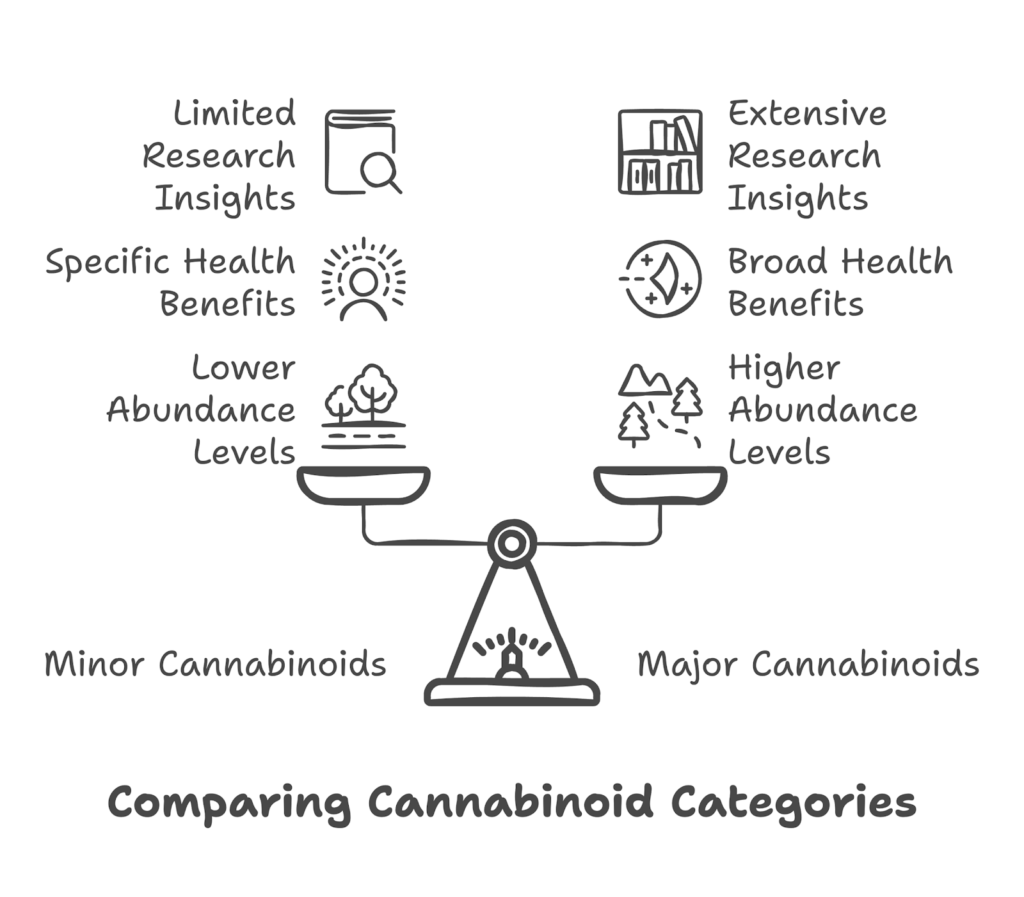
Minor cannabinoids may be found in lower concentrations than THC and CBD, but you shouldn’t underestimate their impact. When you look at major and minor cannabinoids side by side, you’ll discover a surprising range of effects that could benefit conditions like insulin resistance or Huntington’s disease.
The Major vs. Minor Cannabinoids Chart
You might find it helpful to see a direct comparison between major cannabinoids like THC or CBD and other cannabinoids in the cannabis plant. Here’s a quick chart for clarity:
| Compound | Concentration in Cannabis Sativa Plant | Intoxicating Effects | Key Potential Benefits |
| THC (Tetrahydrocannabinol) | Often higher doses in selective breeding | High level of intoxicating effects | Pain relief, appetite stimulant, anti inflammatory effects |
| CBD (Cannabidiol) | Moderate to high, depending on strain | Non intoxicating cannabinoid | Anxiolytic effects, anti inflammatory actions, neuroprotective effects |
| CBN (a “sleepy cannabinoid”) | Typically low doses | Mild, less than THC | Treating nausea, mild sedation, possible neuroprotective properties |
| CBC, CBG, THCV, etc. | Minor amounts | Generally non intoxicating | Potential weight management, partial agonist activity, beneficial effects |
This comparison is based on results obtained from clinical studies and displacement assays, along with observational studies focusing on most cannabinoids. While THC and CBD remain the best-known, other minor cannabinoids also contribute to the plant’s holistic effect.
Pharmacological Effects and Response Curves
Pharmacological effects can differ significantly between compounds, sometimes showing a stable analogue across doses and sometimes displaying variable response curves in a rodent or mouse model. Such patterns often emerge when synthetic cannabinoids or synthetic compounds are tested.
- THC generally has a stronger psychoactive profile.
- CBD supports anti inflammatory effects without heavy sedation.
- Minor cannabinoids might target neuropathic pain or inflammatory pain in a dose dependent manner.
- Synthetic compounds help isolate partial agonists for thorough statistical analyses in controlled settings.
When you consider the therapeutic potential of cannabis sativa, it’s clear that multiple sclerosis, autism spectrum disorder, and even mental health conditions might benefit from different cannabis products. Some are derived through selective breeding, while others come from companies like Aurora Cannabis that invest heavily in cannabis research.
Why Do People Turn to Minor Cannabinoids for Medicinal and Recreational Purposes?
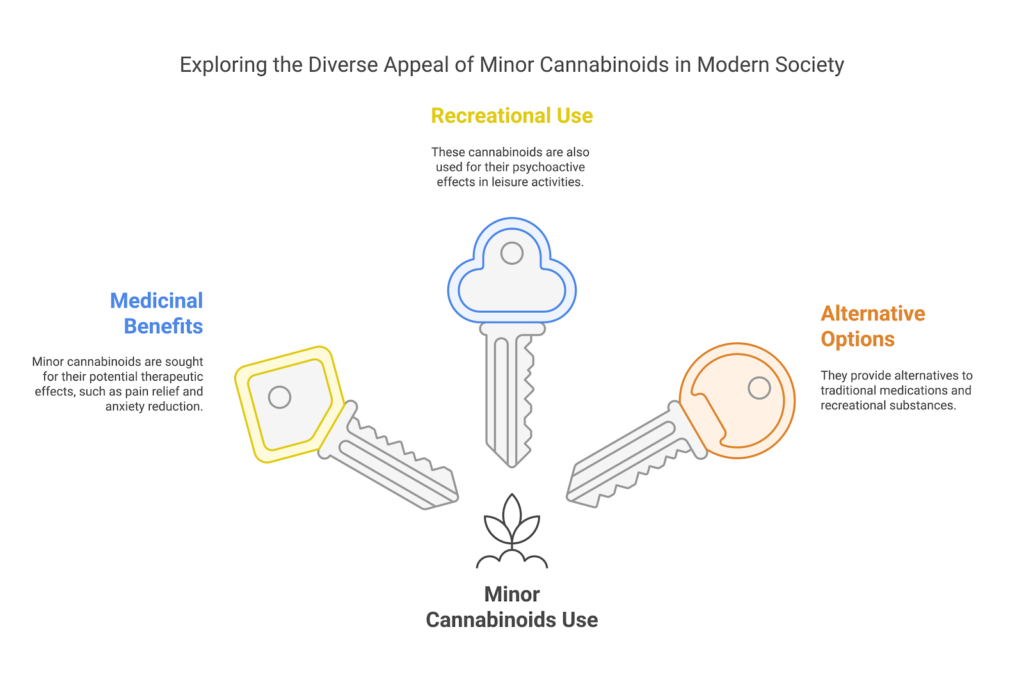
You may already know that cannabis has been used for centuries, but minor cannabinoids are increasingly catching attention. They could provide specialized relief with fewer side effects, making them attractive for recreational explorers and those seeking targeted therapies.
Potential Roles in Pain and Disease Management
Minor cannabinoids have shown promise for chronic conditions in both animal models and early human trials. For instance, in a rodent study, mice treated with certain cannabinoids experienced improvements in neuropathic pain. Some research also points to neuroprotective effects that could help manage Huntington’s disease.
These findings encourage deeper investigation into how minor cannabinoids might replace or complement current treatments.
- They may offer pain relief in a dose dependent manner.
- They can reduce inflammation and function as partial agonists at the cannabinoid receptor.
- Some display anxiolytic effects that could help autism spectrum disorder and multiple sclerosis patients.
Additionally, these compounds may help regulate insulin resistance and provide relief from inflammatory pain. While more research is needed, the possible anti inflammatory actions of minor cannabinoids remain an exciting frontier.
Beyond Medical Applications
You might also be drawn to minor cannabinoids for their milder intoxicating effects, providing a calmer experience. This can be especially appealing if you’re new to cannabis or simply prefer low doses.
Small shifts in cannabinoid levels can create big differences in how you feel.
- They’re often described as having fewer side effects than major cannabinoids at higher doses.
- They may act as a sleepy cannabinoid for those seeking mild sedation.
- They can be used in a dose dependent manner for treating nausea.
Of course, everyone’s experience differs based on body chemistry, so starting with a low dose is essential. Observational studies suggest that minor cannabinoids can be helpful for stress relief while avoiding heavy intoxication.
What Does the Future Hold for Minor Cannabinoids?
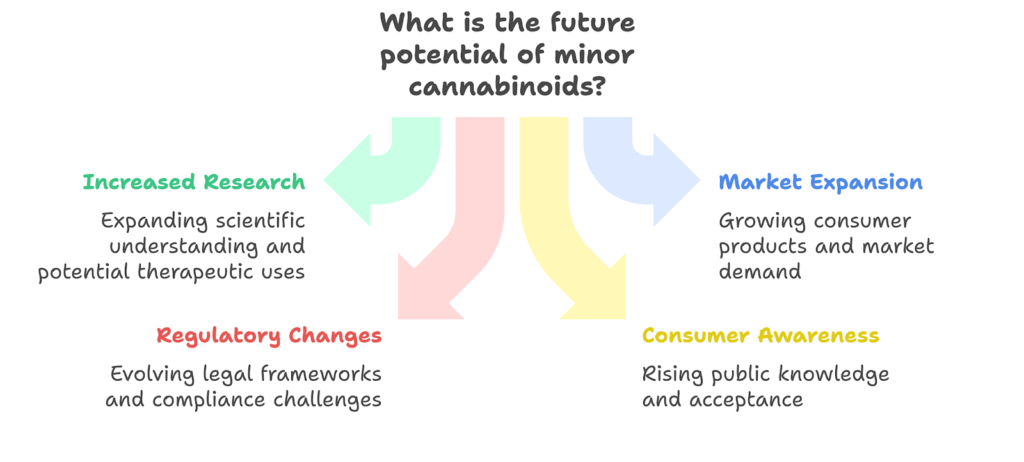
You might wonder if these lesser-known compounds will become mainstream. Early cannabis research, plus systematic review of available data, indicates they hold plenty of promise.
Emerging Research and Stable Analogue Development
Researchers are busy developing stable analogue forms of these cannabinoids to ensure consistent products with reproducible pharmacological effects. By examining response curves in both animal and human trials, scientists hope to determine which minor cannabinoids are optimal for particular conditions.
These efforts aim to clarify what dose ranges are most effective.
- Synthetic cannabinoids help pinpoint partial agonist activity in a controlled environment.
- Statistical analyses highlight potential benefits for managing inflammation and neuropathic pain.
- Funding from institutions and companies like Aurora Cannabis accelerates development.
Through these initiatives, experts aim to refine how you can use cannabis sativa and other cannabis products for personalized therapies. The results obtained so far underscore that the endocannabinoid system is more intricate than initially thought.
Future Perspectives on Use and Accessibility
In the coming years, you may see minor cannabinoids widely integrated into medicinal and recreational purposes. Some stable analogue variants might even reduce side effects while maximizing neuroprotective effects and anxiolytic effects.
Better regulation and continued research will be essential to ensure safe use.
- Companies will likely invest in selective breeding to increase yield of certain cannabinoids.
- Cannabis research might explore how transient receptor potential modulation affects inflammatory pain and locomotor activity.
- Further clinical studies can confirm the therapeutic potential for multiple sclerosis or autism spectrum disorder.
As more data becomes available, the cannabis industry may adopt new standards to ensure product consistency. This approach can help you access the full range of cannabis’s naturally occurring cannabinoids, from THC and CBD to other minor cannabinoids.
Conclusion
Minor cannabinoids open a new chapter in our understanding of this ancient plant. In combination, they represent intriguing pharmacology upon which benefits to numerous conditions manifest as dose dependent. Further research will likely see a host of targeted cannabis products that focus attention on these lesser-known compounds, offering increasingly tailored ways to explore cannabis.
Frequently Asked Questions
Can Minor Cannabinoids Replace THC and CBD Entirely?
Minor cannabinoids have unique effects but typically work best alongside THC and CBD. Complete replacement is uncommon, but combining them can create more tailored cannabis products.
Are Synthetic Cannabinoids Safe to Consume?
Synthetic cannabinoids are often used in research or to create stable analogues of natural compounds. While some may have benefits, unregulated or untested products should be approached cautiously.
Do Minor Cannabinoids Help with Conditions Like Multiple Sclerosis?
Early studies suggest minor cannabinoids may offer pain relief and anti-inflammatory benefits for multiple sclerosis, but more research is needed to confirm their effectiveness and dosage guidelines.