If you’ve been exploring cannabis science, you may have heard the phrase “entourage effect.” It refers to the idea that various naturally occurring compounds in the cannabis plant—such as cannabinoids, terpenes, and essential oils—may work together to produce stronger therapeutic effects than using just a single compound, like pure THC extract, on its own. Let’s see what this means for you.
Key Takeaways
- Entourage Compounds: Full-spectrum cannabis products combine different cannabinoids, terpenes, and other compounds that may boost efficacy beyond isolated THC or CBD
- Synergy and Safety: Minor cannabinoids and aromatic compounds found in cannabis could balance out negative side effects, creating a smoother experience
- Research Status: While randomized controlled trial findings sometimes yield mixed results, many experts remain intrigued by how THC, CBD, and other cannabinoids might offer enhanced benefits through botanical synergy
What Is the Entourage Effect?
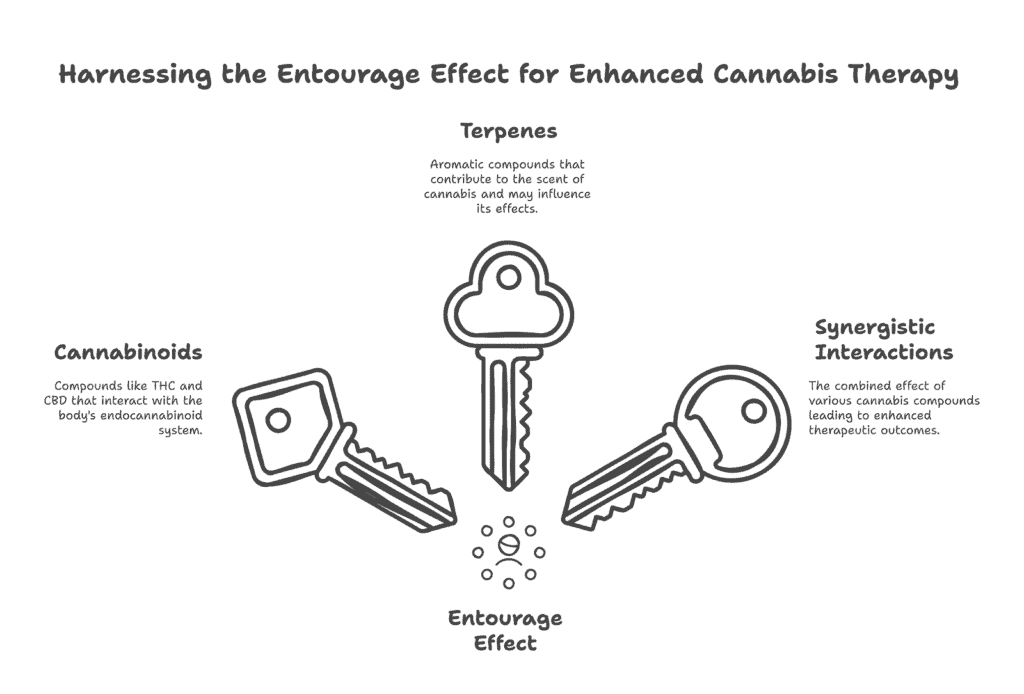
The entourage effect describes how multiple compounds in cannabis sativa—THC, CBD, and other cannabinoids alongside terpenes—appear to interact with your endocannabinoid system. This teamwork can produce a broader pharmacological effect than if each component were administered individually.
Why Terpenes Matter?
Terpenes are aromatic compounds found in many plants, including the cannabis plant. They give strains their distinct scents and flavors.
- Terpenes can influence how cannabinoids bind to cannabinoid receptors in the central nervous system
- They’re often generally recognized as safe by agencies like the Food and Drug Administration, though more clinical studies are needed
- Certain terpenes, such as myrcene and limonene, may affect pain relief or stress responses
When combined with THC and CBD, terpenes might enhance therapeutic effects while moderating unwanted psychoactive effects.
The Impact of Minor Cannabinoids
Beyond THC and cannabidiol (CBD), other cannabinoids—often called minor cannabinoids—contribute to the cannabis plant’s overall profile.
- Cannabinol (CBN) may support relaxation and sleep
- Cannabigerol (CBG) could bolster pain relief and reduce inflammation
- Cannabinoid ratios matter: different proportions of THC, CBD, and minor cannabinoids may shift both potency and negative side effects
When these compounds come together, you get the so-called entourage effect, which can be more nuanced than simply taking pure form THC alone.
How Do Entourage Compounds Interact With Your Body?
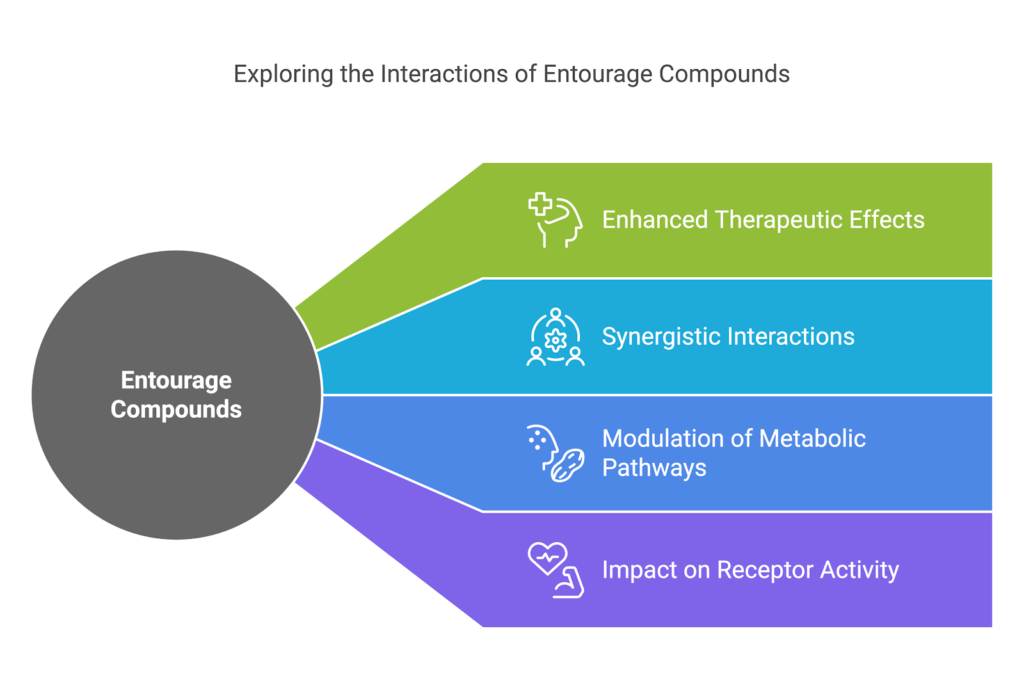
Entourage compounds typically engage your endocannabinoid system, which includes the CB1 and CB2 cannabinoid receptors. THC, CBD, and other compounds found in full-spectrum cannabis products may bind differently to each receptor, creating a diverse range of effects.
Synergy and the Endocannabinoid System
When multiple compounds produced by the cannabis plant work in unison, researchers sometimes call it “botanical synergy.”
- Synergy might allow cannabinoids to amplify or buffer each other’s impact
- Combining THC and CBD may reduce adverse effects like intense anxiety or paranoia
- Whole plant extract often introduces essential oils and terpenes that further fine-tune the experience
This synergy could partly explain why cannabis consumption with more complete cannabinoid ratios sometimes feels gentler than pure THC extract alone.
Research Insights and Mixed Results
Various scientific reports suggest that the entourage effect holds promise, but results can be inconsistent.
- Studies featured in journals like the British Journal of Pharmacology often discuss the need for more scientifically valid data
- Placebo-controlled experiments sometimes find that whole plant extract outperforms isolated compounds
- The cannabis industry continues funding research to clarify whether specific cannabinoid ratios can consistently lower negative side effects
Even with these findings, conclusive clinical studies remain limited, so ongoing research will help determine exactly how these compounds influence outcomes like pain relief or psychoactive effects.
Are Full Spectrum Cannabis Products More Beneficial?

Full spectrum cannabis products aim to maintain as many naturally occurring compounds from the cannabis plant as possible. Supporters argue that essential oils, terpenes, and minor cannabinoids can create a more balanced, therapeutic experience than isolated cannabinoids provide.
Potential Advantages of Whole Plant Extract
Whole plant extract may offer stronger or more comprehensive effects than pure THC alone:
- Cannabidiol (CBD) can moderate THC’s intensity, potentially lowering the chance of severe psychoactive effects
- Some users say the combined entourage compounds produce better pain relief and stress reduction
- Minor cannabinoids might also address specific issues, such as insomnia or inflammation
When these elements work together, the synergy often produces a smoother, more predictable experience than singled-out THC extract.
Possible Downsides to Consider
Even so, full spectrum products are not without risks.
Here’s a shortlist of cautions:
- High THC levels may still lead to paranoia or rapid heartbeat
- Certain terpenes might aggravate allergies or cause headaches in sensitive individuals
- Individuals vary in how they metabolize cannabinoids, so negative side effects might differ person to person
Because everyone’s endocannabinoid system is unique, it’s crucial to find a product that suits your body’s chemistry.
How Should You Choose Among Different Cannabis Products?
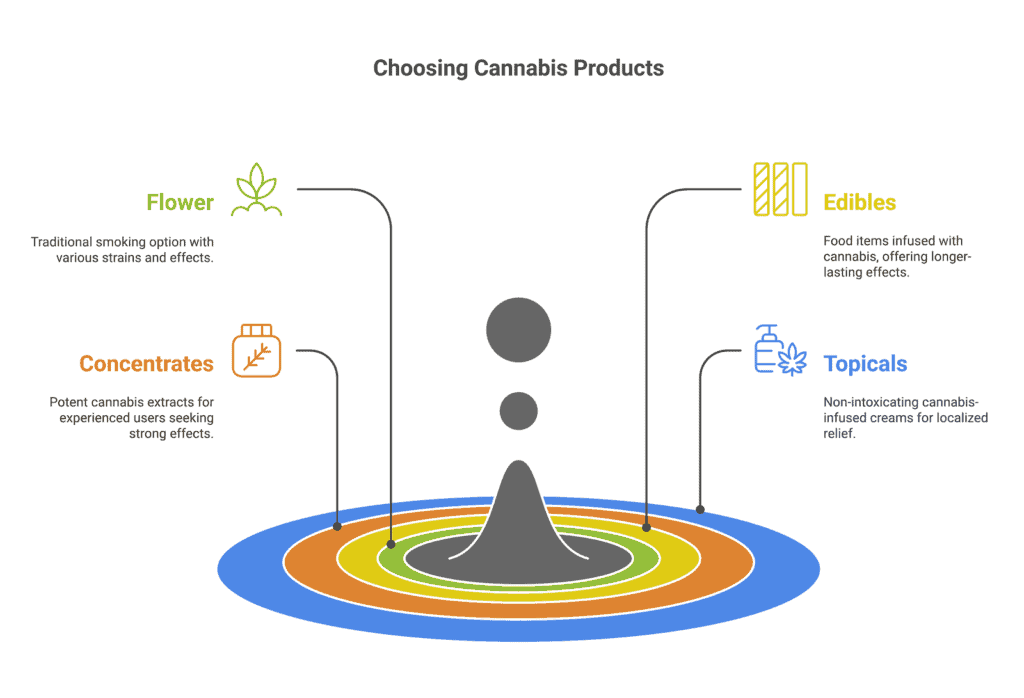
Your decision often depends on therapeutic goals, existing health conditions, and personal tolerance. Some people benefit more from a whole plant extract, while others might prefer single-compound options for precision dosing or to avoid unwanted effects of cannabinoids and terpenes.
Making an informed choice starts with reading labels and understanding how various compounds found in cannabis might interact.
Full Spectrum vs. Pure THC
Below is a straightforward comparison of these two product types:
- Full Spectrum: Contains THC, CBD, minor cannabinoids, terpenes, and other entourage compounds that may enhance efficacy
- Pure THC Extract: Focuses primarily on THC in isolated form, which can yield stronger psychoactive effects with less buffering
Both versions can have therapeutic effects, but full spectrum often appeals to those who value a more natural balance of cannabinoid ratios.
Tips for Reading Labels
When it comes to cannabis consumption, a bit of label knowledge goes a long way:
- Test results can confirm purity and potency
- Look for the presence of aromatic compounds found in the ingredient list
- Verify that products are tested in ways recognized by local regulations
- Certificate of Analysis: Confirms cannabinoid content and potential contaminants
- Check Terpene Profile: Some producers list main terpenes, helping you anticipate flavor and possible effects
In the end, balancing scientific reports, personal preferences, and safety considerations will guide you toward the product that’s just right for you.
Conclusion
The entourage effect underscores the idea that THC, CBD, and other naturally occurring compounds in cannabis work better together than alone. While many users and researchers report enhanced therapeutic effects and fewer negative side effects from full spectrum options, the current scientific literature also highlights mixed results in some areas. Additional clinical studies, including randomized controlled trials, are needed to fully understand how compounds like terpenes, minor cannabinoids, and essential oils interact with cannabinoid receptors in your body.
Frequently Asked Questions
Does Combining Cannabinoids Always Help?
Not necessarily. Certain strains might produce distinct effects, and people respond differently. Some individuals prefer single-compound formulations to limit possible adverse effects.
Can Terpenes Really Make a Difference?
They can. Terpenes, the aromatic compounds found in many plants, are thought to shape both flavor and experience, possibly moderating or enhancing the effects of cannabinoids.
Is There Enough Clinical Evidence for the Entourage Effect?
While many in the cannabis industry believe in its potential, scientifically valid conclusions require more comprehensive research. Mixed results persist, so ongoing studies will help clarify the entourage effect’s role in cannabis therapy.