
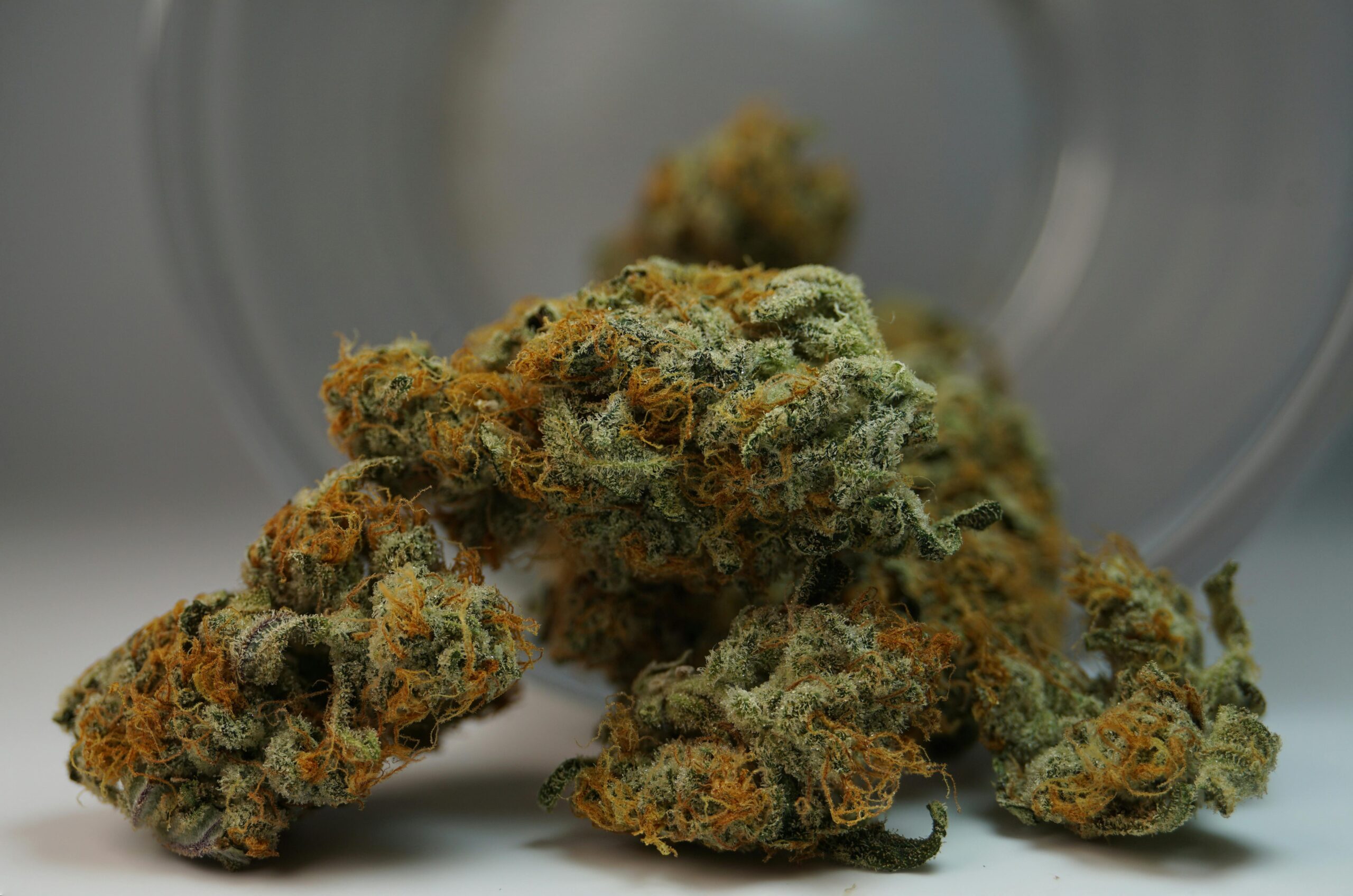
You’ve probably heard that cannabis can be used for both recreational purposes and medical purposes, but did you know that the route of administration cannabis takes can significantly impact its physiological effects and overall outcomes? Whether you’re curious about medicinal cannabis or looking into cannabis consumption for chronic pain, understanding how the plant’s active compounds are delivered to your body is crucial. Many health care professionals emphasize that the right cannabis administration method can help optimize dosage, reduce risk of adverse effects, and tailor treatment for patients of various ages and conditions.
Key Takeaways
- Different cannabis routes can influence onset time, potency, and effects typically experienced by users.
- Choosing between inhalation route or the oral route should be based on your practical considerations, desired immediate relief, and specific medical use.
- Research into cannabinoid pharmacokinetics, including clinical trials and systematic review findings, shows that medical cannabis administration has potential for chronic diseases yet requires responsible dosage.
What Are the Primary Routes of Administration for Cannabis?
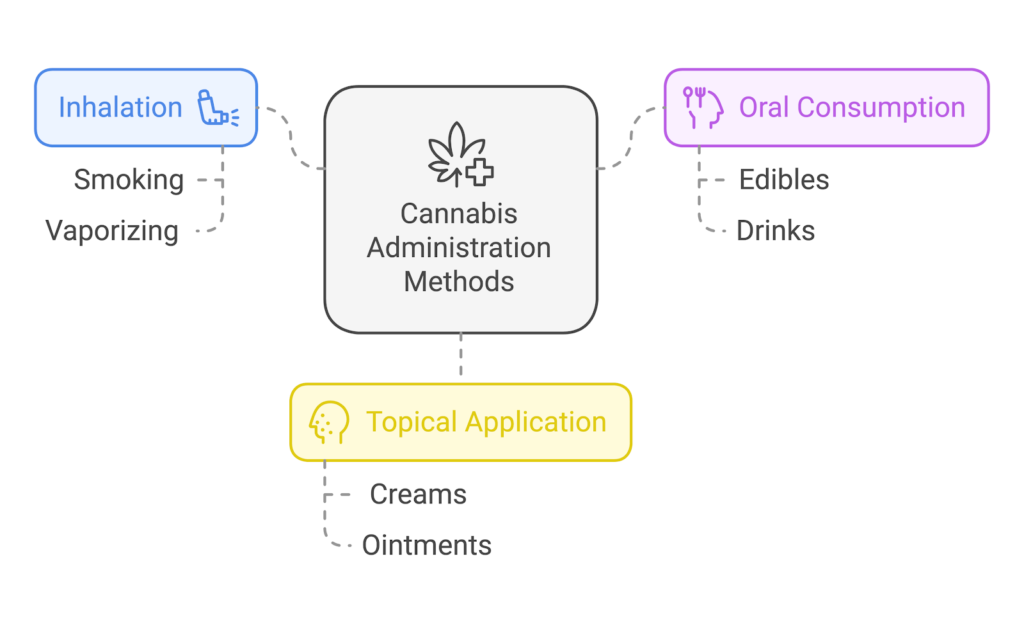
The main cannabis routes include inhalation, oral ingestion, and other forms like transdermal patches. These different methods are often chosen based on whether one seeks immediate relief or a more prolonged experience. Inhalation is popular for rapid onset time, while the oral route typically offers a delayed onset but longer duration.
Inhalation: Smoking and Vaping
Inhalation is a classic option for cannabis consumption. Smoking through joints or pipes, as well as vaping cannabis concentrates or other cannabis products, allows the major cannabinoids (like THC) to enter your bloodstream quickly, producing psychoactive effects within minutes.
- It’s widely used for recreational cannabis and medical cannabis due to its fast-acting benefits.
- Smoking can pose health risks similar to other drugs, including potential for lung irritation.
- Vaping has been studied in j clin pharmacol for its potential to reduce some of the adverse effects linked to smoking.
Keep in mind that although inhalation can offer immediate relief for chronic pain, older adults and those with chronic diseases should be cautious about possible respiratory issues.
Oral Ingestion: Edible Products and Capsules
Oral ingestion is another popular cannabis administration route, often used by young adults who prefer a smoke-free experience. Edible products such as brownies, gummies, and capsules deliver cannabinoids more gradually, resulting in a delayed onset but lasting effects typically lasting several hours.
- A general population survey shows that oral ingestion is growing in popularity for both recreational purposes and medical purposes.
- Because of the delayed onset, there is a higher risk of overconsumption if someone is not patient with the dose.
- Medical cannabis in oral form can be helpful for chronic pain management and skin conditions when combined with other routes and appropriate health guidance.
Oral ingestion also allows for a more precise dose, thanks to standardized edible products and capsules, although the oral route can affect the cannabinoid pharmacokinetics differently compared to inhalation.
Why Does Route of Administration Affect Cannabis’s Effects?
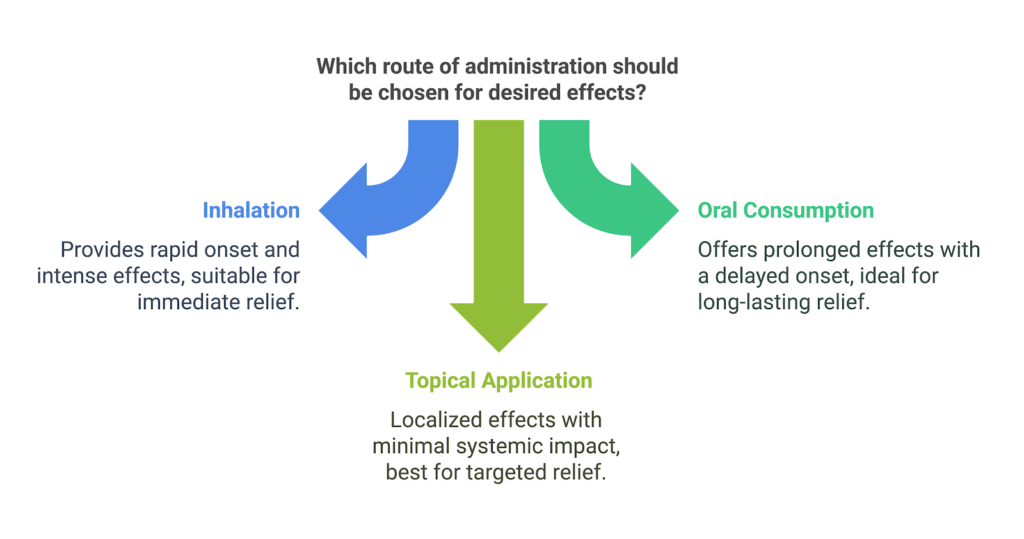
When you use cannabis, the physiological effects can vary based on how quickly THC and other active compounds enter your bloodstream. The endocannabinoid system interacts differently with inhaled cannabinoids than with those absorbed via the oral route. This influences not only the high but also the potential for drug interactions with substances like alcohol.
Metabolism and Cannabinoid Pharmacokinetics
Your body’s metabolism plays a huge role in how cannabis works. Oral ingestion requires the liver to process cannabinoids, leading to specific byproducts that may intensify psychoactive effects. In contrast, smoking or vaping bypasses much of this metabolic process.
- According to a systematic review published in Int J Drug Policy, drug alcohol interactions can be more pronounced with certain cannabis routes.
- Major cannabinoids, including THC, can behave differently depending on the administration method.
- For medical cannabis, you might benefit from clinical trials examining how chronic diseases respond to oral versus inhalation routes.
A pilot study featured in clin pharmacol ther also found variations in how quickly effects typically appear, stressing the importance of practical considerations like onset time and the potential for delayed onset with edibles.
Factors Influencing Effects: Dosage, Frequency, and Individual Response
Even when selecting the same route of administration cannabis product, factors like dosage and personal tolerance will determine how strongly you feel the effects. Some people need a lower dose for medical use, while others might require a higher dosage for effective treatment of chronic pain or other conditions.
- The risk of addiction or dependency can increase when cannabis is used alongside alcohol, reflecting possible drug alcohol abuse patterns.
- If you’re using medicinal cannabis, you may need to consult clinicians in a clin med setting for precise recommendations.
- People with cannabis use disorders should be extra careful, as any route can contribute to subst use problems if not monitored.
Ultimately, listening to your body and adjusting consumption can help you minimize adverse effects, especially if you have underlying chronic diseases.
Are There Alternative or “Other” Routes of Administration?
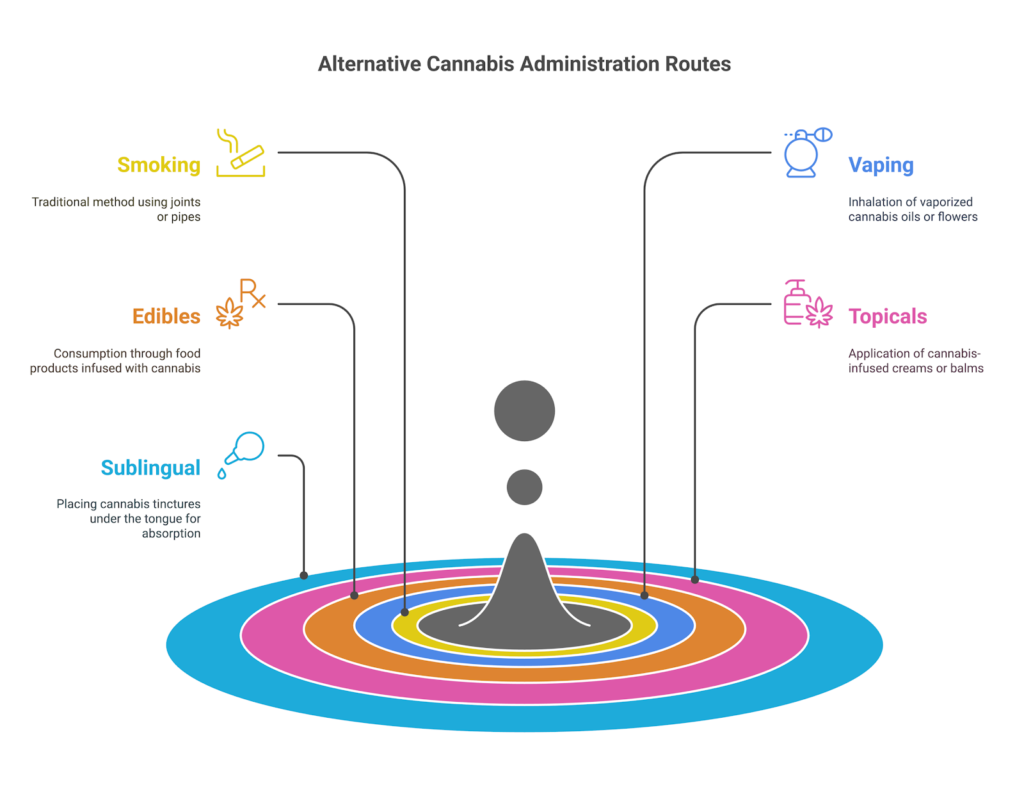
Besides the traditional methods, you can explore other routes like transdermal patches, topical lotions, and even suppositories. These alternatives might be used for skin conditions, localized pain, or those who simply don’t tolerate smoking. Practical considerations often guide whether you choose these other forms.
Transdermal and Topical Forms
Some cannabis products come in patches or creams designed for localized relief. They’re absorbed through the skin, bypassing typical psychoactive effects you’d feel with inhalation or oral ingestion.
- A pilot study in j clin pharmacol indicated these products may be beneficial for older adults who need medical cannabis administration without the high.
- These forms may have fewer side effects on the general population survey but could be slower to take effect.
- They are often recommended for patients who prefer a discreet method of medical cannabis use.
You may consider transdermal routes if you want a more targeted, steady dose over time without the peaks and troughs common with smoking or edibles.
Suppositories and Other Cannabis Products
Although less common among young adults, cannabis suppositories can be used for localized relief and medical purposes such as pelvic pain. These can deliver cannabinoids effectively to the affected region.
- They’re subject to fewer first-pass metabolic issues compared to oral ingestion.
- Some older adults might benefit from this approach if they face difficulty with oral routes of administration.
That said, these options are not widely studied in mainstream research, so always consult a medical professional before trying them.
How Should You Decide Which Method Is Best for You?
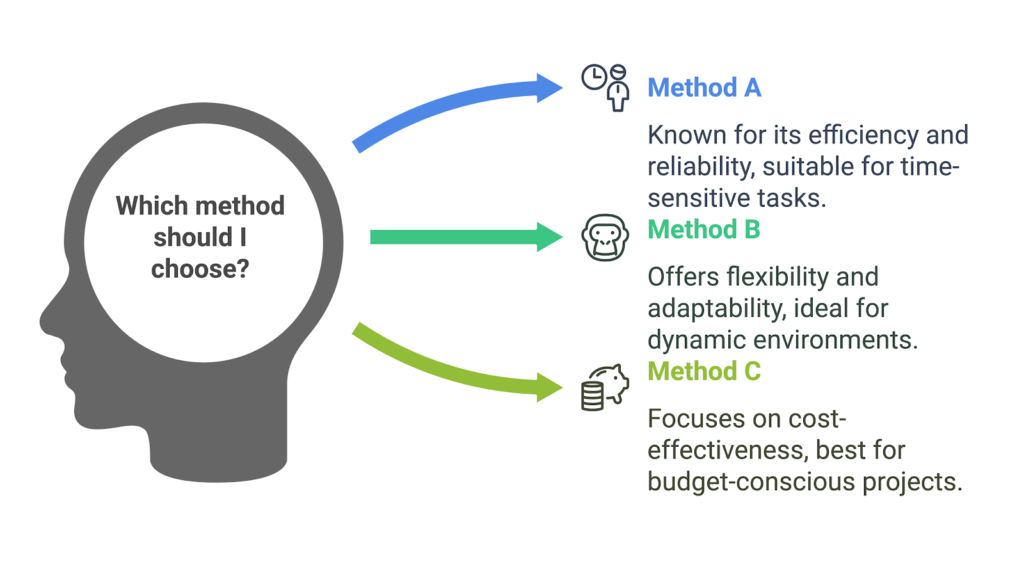
Choosing a cannabis route often boils down to personal preference, type of treatment required, and your medical history. Think about whether you need immediate relief or prefer the convenience of an edible product with a slower onset. Always weigh your potential risk for addiction and drug alcohol interactions.
Practical Considerations and Comparison Chart
Below is a quick comparison chart to help you decide which route might suit you:
| Route | Onset Time | Duration | Suitable For |
| Inhalation | 1-5 minutes | 1-3 hours | Immediate relief, recreational cannabis |
| Oral Ingestion | 30-90 minutes | 4-8 hours | Longer-lasting effects, chronic conditions |
| Transdermal | 15-60 minutes | Varies | Localized relief, skin conditions |
| Suppositories | 15-30 minutes | Varies | Pelvic issues, older adults |
If you prefer quicker psychoactive effects, inhalation route might be best. For those needing consistent relief over a longer period, edible products or transdermal forms could be the way to go.
Key Points for Safe Cannabis Use
Being proactive about safety helps you get the most benefit from cannabis while minimizing harm.
- Always start with a low dose, especially if you’re new or switching routes of administration.
- Monitor your consumption and watch for signs of cannabis use disorders, especially if you have a personal or family history of addiction.
- Stay informed by reading relevant literature, like articles in clin med, j clin pharmacol, and checking the int j drug policy for evolving guidelines.
Remember that some individuals can develop drug alcohol abuse patterns when mixing alcohol with cannabis. If you notice warning signs, seek professional help for treatment.
Conclusion
When it comes to cannabis consumption, there is no one-size-fits-all approach. Different routes of administration each come with their own onset time, effects, and potential risks. Some people prioritize immediate relief from chronic pain, while others prefer a delayed onset that suits their busy lifestyle. By staying informed about medical cannabis administration and taking your own physiological effects into account, you can use marijuana responsibly. From smoking to transdermal patches, a variety of options exist to fit your needs and goals. Above all, remember that cannabis—like other drugs—should be approached with respect and caution.
Frequently Asked Questions
Can I Mix Cannabis with Alcohol Safely?
Mixing cannabis with alcohol can increase the risk of overintoxication and addiction. It’s best to avoid combining substances, especially with a history of addiction.
What’s the Difference Between Medicinal and Recreational Cannabis?
Medicinal cannabis treats specific conditions under medical supervision, with controlled dosages. Recreational cannabis is used for personal enjoyment and varies in potency.
Do I Need to Consult a Doctor Before Using Cannabis?
Yes. A doctor can guide dosage, methods, and potential risks, especially for chronic pain, older adults, or those at risk of cannabis use disorders.