You’ve probably heard the buzz about rosin extraction and how it’s become a game-changer for anyone looking to produce top-tier cannabis concentrates. The big secret lies in using the right cannabis rosin bags, specifically engineered to handle high pressure and heat while filtering out unwanted plant material. In this article, you’ll discover how rosin press filter bags help achieve that pure, solventless rosin extraction, why food-grade nylon is often the material of choice, and what makes premium rosin filter bags stand out in today’s market.
Key Takeaways
- Quality filtration is key to effective extraction, as rosin bags are designed to separate unwanted solids like kief, hash, or dry sift while maximizing yield.
- Durability and proper micron sizes are essential, with features like double-stitched seams preventing blowouts and ensuring clean, pure rosin.
- A variety of rosin bags in different micron sizes and lengths allows you to tailor the process for optimal results.
What Are Cannabis Rosin Bags and Why Do They Matter?

They matter because they’re the key component that allows you to achieve solventless rosin without the use of harsh solvents.
The Role of Rosin Bags in Filtration
Cannabis rosin bags help in separating unwanted particles from your extract while still allowing rosin to flow through:
- They prevent blowouts by providing consistent seams and double stitched edges.
- Rosin press filter bags come in various micron sizes to handle different consistencies of rosin extraction.
- Premium rosin filter bags maintain their shape even under high pressure, reducing the chance of your extract mixing with plant material.
Materials and Micron Bags
You’ll notice that rosin filter bags are often referred to by their micron sizes:
Choosing the right micron bags is critical to achieving a perfect filtration and a high-quality yield. For instance, 25-micron bags might be used for dry sift or bubble hash, whereas 90-micron bags can be a better fit for flower rosin extraction. This variety of sizes helps ensure you get a pure product with minimal blowouts during pressing.
Keep in mind that rosin press bags made with high-durability fabrics (like food-grade nylon) can handle high pressure without tearing. That durability is essential because once you apply heat and pressure to the bags, any weak seams could lead to blowouts. This results in wasted product and potential contamination of your rosin with unwanted plant material.
How Do You Choose the Best Rosin Bags for Your Needs?
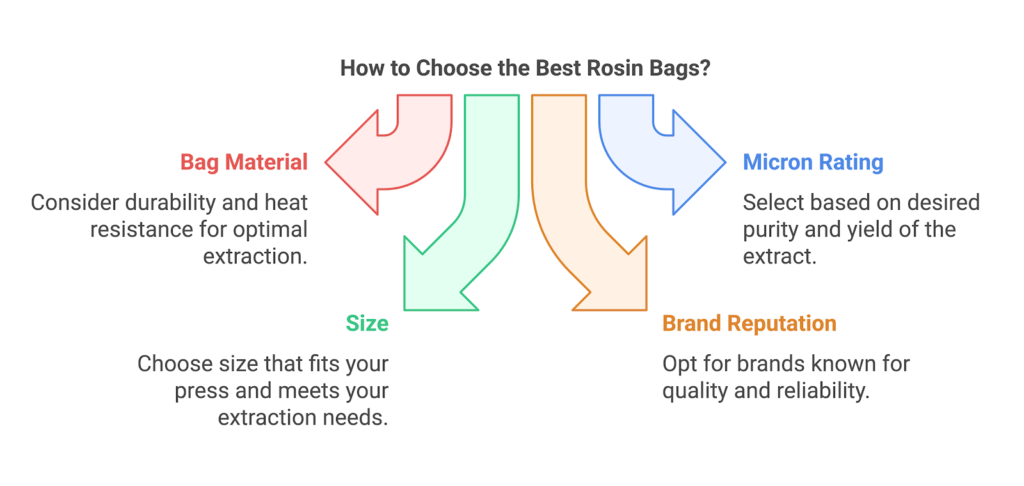
You choose them by considering factors like micron sizes, durability, and type of material used.
Factors to Consider Before You Buy
Making a decision on which rosin extraction bags to purchase can be overwhelming:
You’ll find plenty of options in the market, from original rosin bags to premium rosin filter bags, each claiming the best quality or the strongest seams.
- Micron Sizes: For press bags geared toward flower rosin, you might choose a 73- to 120-micron range. For dry sift or kief, finer microns (like 25 to 37) can help produce purer rosin.
- Material Quality: Food grade nylon is a popular choice because it withstands high pressure and heat. Make sure they are double-stitched and that the seams are well-reinforced.
- High Durability: Check reviews or talk to people who have used the rosin bags before. Having them tear mid-press is the last thing you want.
The essence is that the best rosin bags combine high durability with the right micron sizes.
Comparing Different Types of Rosin Press Filter Bags
Before you finalize your decision on which bag to use, let’s take a brief look at how some options stack up in a chart.
| Type of Bag | Material | Micron Range | Durability Level | Best For |
| Original Rosin Bags | Food Grade Nylon | 25-160 microns | Medium | Dry Sift, Bubble Hash |
| Premium Rosin Filter Bags | Nylon/Screens | 25-120 microns | High | Flower & Hash Mix |
| Rosin Press Filter Bags (Generic) | Nylon | 37-160 microns | Varies | All-Purpose |
| High-Pressure Press | Nylon | 25-90 microns | Very High | High Pressure Press |
Take note: double stitched rosin bags are often recommended for high-pressure pressing, whereas original rosin bags might be your go-to if you prefer a certain brand or have had success with it in the past.
What Makes Solventless Rosin Extraction Stand Out?
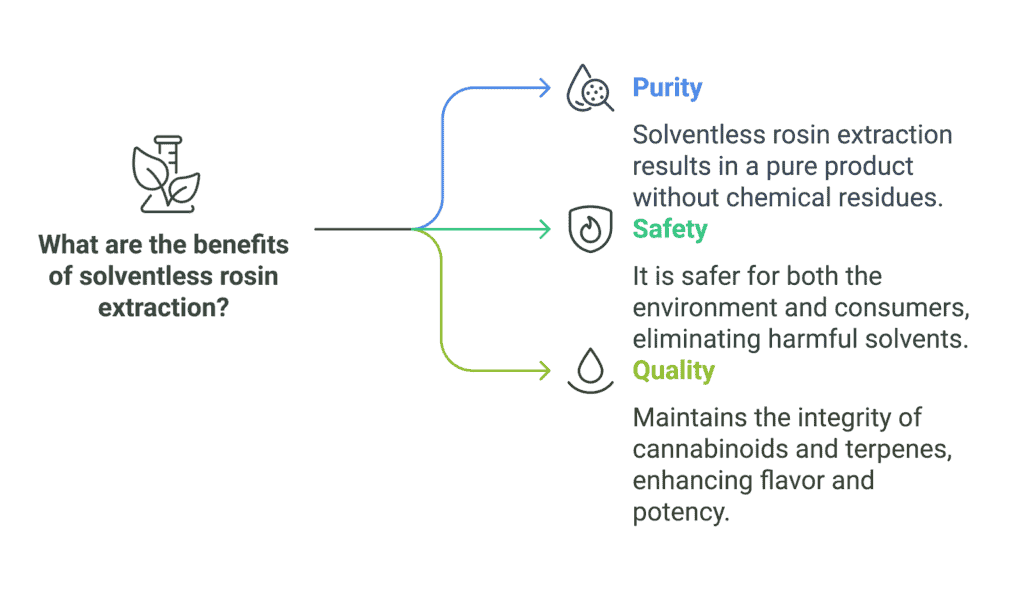
It stands out because it avoids chemical solvents and produces a cleaner, more flavorful extract.
The Importance of Avoiding Solvents
Why do so many people swear by solventless rosin extraction? Because you’re not introducing chemicals that can alter the flavor or purity of your concentrate. illustrating how the absence of solvents can affect the overall quality of your rosin.
- Pure and Clean: No risk of residual solvents that might affect the taste or safety of your final product.
- Easier Filtration: Because you’re using rosin press bags and heat, you can easily separate the oil from unwanted parts.
- Consistent Results: Proper micron bags and good technique yield a more repeatable extraction process.
Solventless rosin also appeals to home enthusiasts who can’t or don’t want to handle harsh solvents. You’ll be able to produce a product that’s immediately dabbable and often yields top-tier flavor profiles.
Pressing Flower vs. Other Material
Your decision to use flower, dry sift, bubble hash, or kief for rosin depends on your preference for potency, flavor, or yield:
Pressing flower is usually simpler, but it may contain more plant particles. Rosin extraction from bubble hash or dry sift can produce a cleaner concentrate if you have the right filter bags. Premium rosin filter bags are especially beneficial if you’re trying to get the strongest or highest-yield rosin.
Are Rosin Bags Really Worth the Investment?
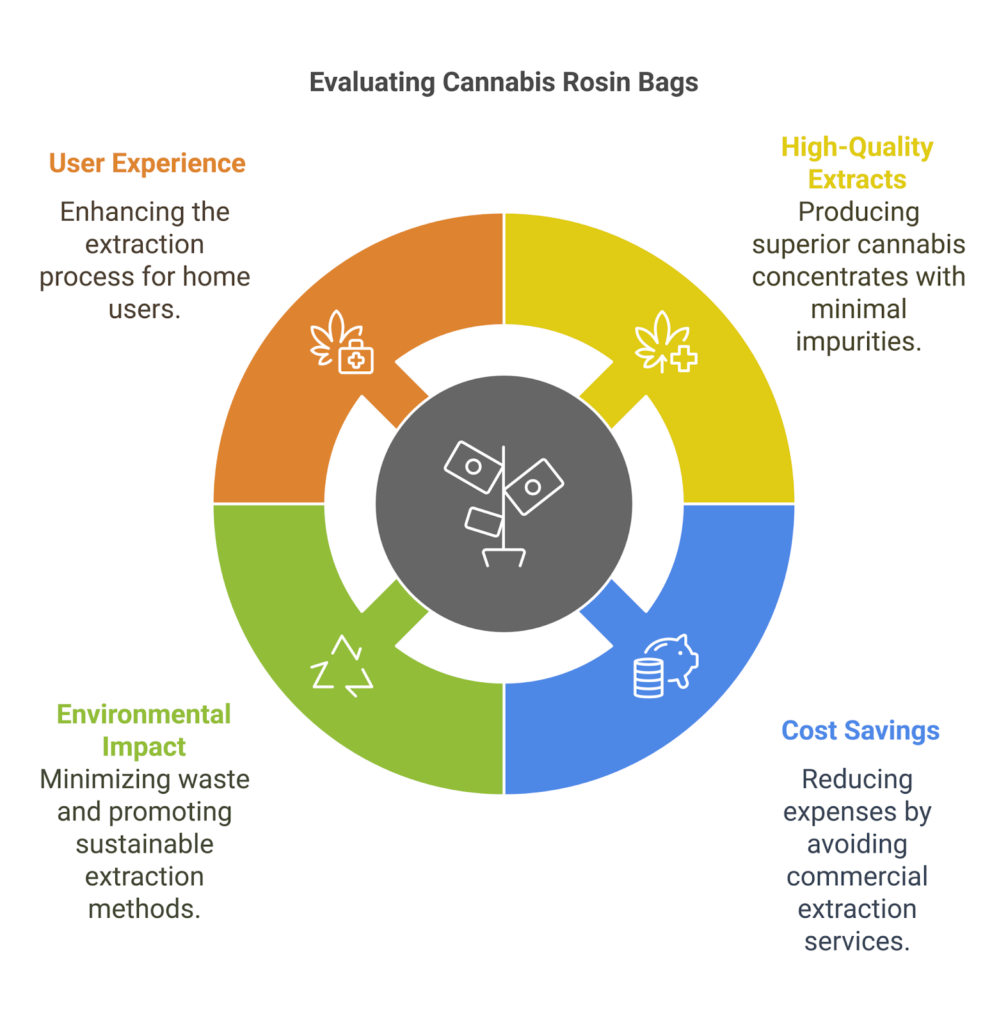
They’re absolutely worth it if you value quality, consistency, and ease of extraction.
Long-Term Cost-Saving Benefits
While cheaper rosin press bags might look tempting at first glance, premium rosin filter bags can save you money in the long run:
Having a blowout when using low-quality rosin filter bags not only wastes precious cannabis but also costs you time. A tear in the bag might contaminate the entire extract, and you end up with a subpar product, forcing you to start over. Proper bags, made with strong seams, reduce this risk and improve your final yield.
The cost-saving benefits become more apparent if you press regularly. You might pay a bit more upfront for a sturdy bag, but you avoid the frustration and expense of repeated blowouts or inconsistent rosin.
- Less Product Waste: High-quality rosin press bags reduce blowouts, saving you from losing valuable flower or hash.
- Consistent Yields: When your filter bags hold up, you get a more reliable extraction process.
- Durable and Reusable: Some rosin extraction bags can be used multiple times if handled carefully, providing further value.
Conclusion
Ultimately, cannabis rosin bags play a pivotal role in ensuring you produce a pure, solventless concentrate that captures the essence of the original plant. By choosing rosin filter bags you minimize blowouts, improve yield, and experience flavors and aromas that are hard to beat. From food grade nylon to premium rosin filter bags, the market offers plenty of options, so pick the right material, pack size, and design that suits your style. A wise investment in rosin bags now can save you from a world of trouble later, ensuring that your solventless rosin extraction results in high-quality, flavorful extracts you can enjoy for a long time.
Frequently Asked Questions
Do Micron Sizes Affect Quality?
Yes, micron sizes impact filtration and yield, influencing rosin quality. Smaller microns (25-37) suit dry sift or kief, while larger ones (73-120) work better for flower.
How Can I Prevent Blowouts with Rosin Press Bags?
Use double-stitched or premium bags, ensure a snug fit, select the right micron size, and apply pressure gradually. Properly prepping material also reduces blowouts.
Are Premium Rosin Filter Bags Worth It?
Yes, premium bags made from durable materials handle higher pressures, reducing tears and waste. Their cost is offset by consistent yields and long-term savings.