Powdery mildew is one of the sneakiest and most tenacious fungal enemies of cannabis. It thrives on cannabis in moist or less ventilated places. If this disease is not caught early, it can become aggressive, resulting in significant destruction to the yields and health of the plants. But with detection, treatment, and preventive care, you will be able to outsmart this persistent fungus and keep your cannabis crop thriving.
Key Takeaways:
- Powdery mildew thrives in high humidity and stagnant air. Early detection is critical to halting its spread.
- Adjusting the growing environment and using targeted treatments can help control and prevent outbreaks.
- Healthy, well-maintained plants are better equipped to resist fungal pathogens like powdery mildew.
What Are the Early Signs of Cannabis Powdery Mildew?
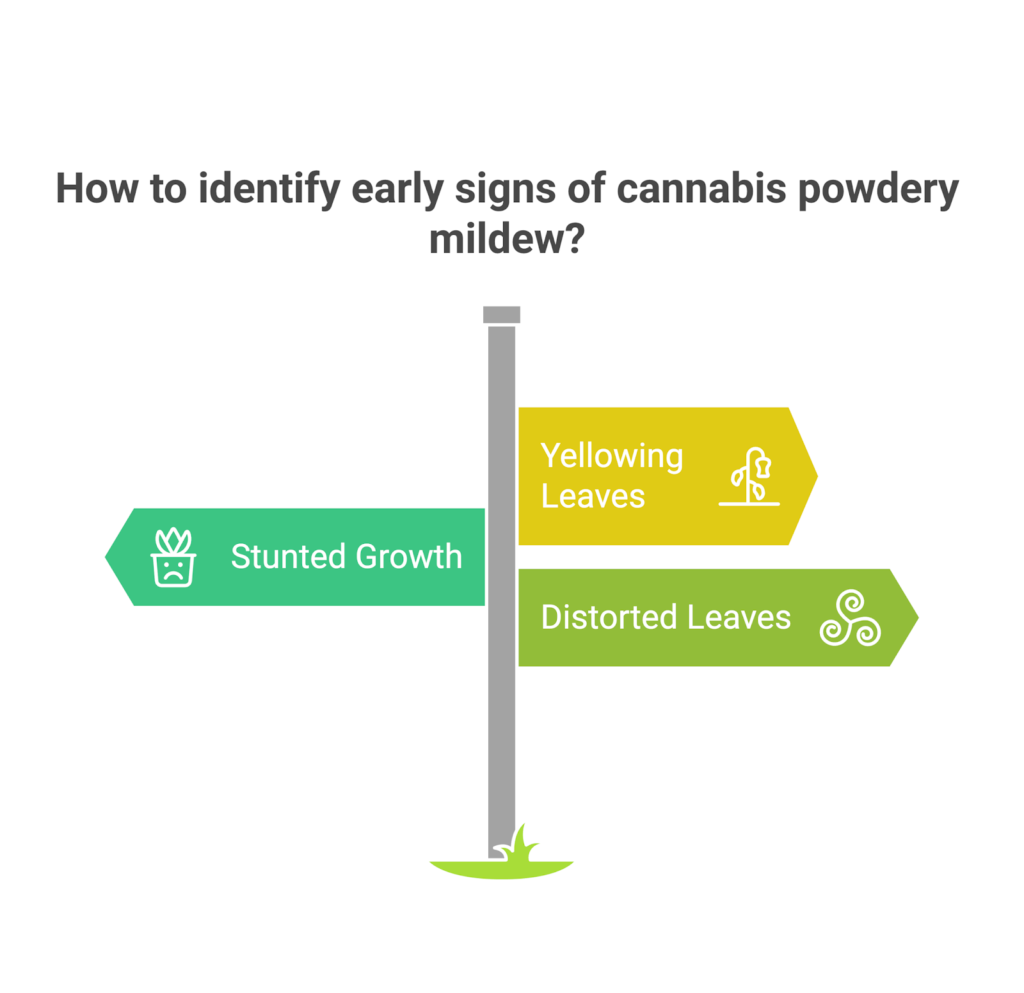
Early detection of powdery mildew will prevent its uncontrolled spread. First signs usually tend to masquerade as insignificant problems, thereby requiring closer observation.
How To Identify Powdery Mildew?
Its symptoms appear insignificant, but they are characteristic symptoms:
- Powdery spots: They are formed on leaves and stems in the manner of appearing as if flour sprinkled on the plant.
- Yellowing leaves: This is often a secondary symptom because the infected leaves stop being productive.
- Slowed growth: Mildew-damaged plants are usually less impressive compared to the healthier siblings.
It is very important to inspect plants with appropriate grow lights. Never ignore the bottom sides of leaves-these are often where the mildew gets its start.
Why Is Early Detection Important?
Powdery mildew spores are notoriously stubborn once they take root. The opportunity to catch the problem in time lets you:
- Kill the spores of the powdery mildew before they spread to other parts of the plant.
- Preserve plant health by addressing the issue at its root.
Miss the early signs, and you might face a full-scale outbreak that threatens the whole growing area.
How Does Powdery Mildew Affect Cannabis Plants?
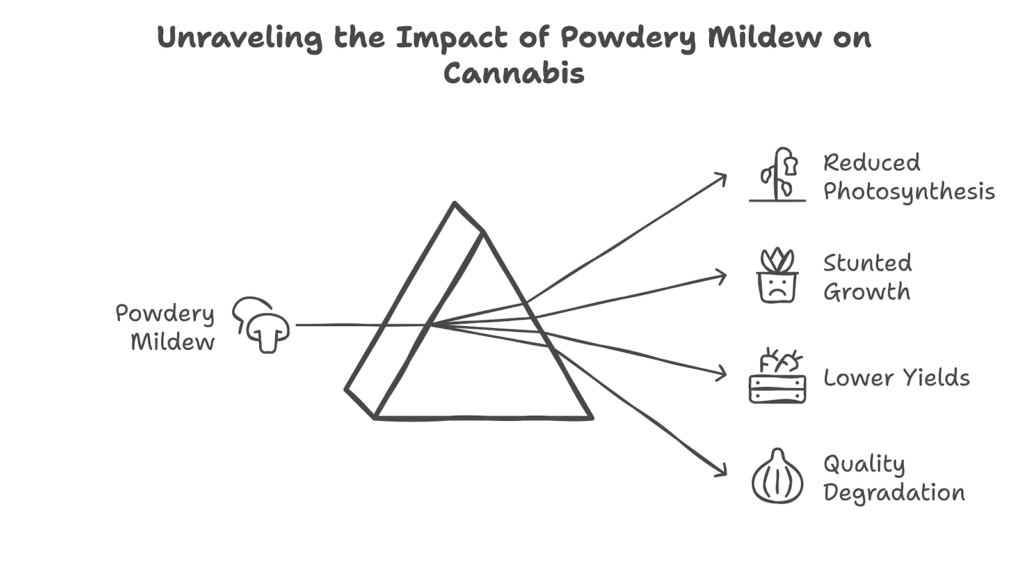
This does not only look awful; it threatens the growth of your plants and also their quality buds. Knowing its impacts makes the necessity of dealing with this problem very clear. What Happens During a Powdery Mildew Outbreak?
Left unchecked, powdery mildew can:
- Hinder photosynthesis: By covering leaves with its powdery coating, the fungus blocks light absorption.
- Spread rapidly: Asexual spores travel through the air, landing on nearby plants.
- Weaken plants overall: Affected cannabis plants become vulnerable to pests, mold, and other diseases.
How Does It Spread?
Powdery mildew is a stealthy adversary:
- Airborne spores: These travel easily, especially in humid conditions.
- Cross-contamination: Handling infected plants and then touching healthy ones can transfer spores.
- Environmental factors: High humidity and stagnant air create a perfect breeding ground.
Act quickly to control powdery mildew before it disrupts your crop’s health and yield.
Comparison Chart: Key Environmental Controls for Powdery Mildew Prevention
| Factor | Optimal Level |
| Relative Humidity | Below 50% |
| Temperature | 70°F to 77°F |
| Air Circulation | Steady and consistent |
| Leaf pH Level | Slightly alkaline (around 7) |
Maintaining these parameters creates an inhospitable environment for powdery mildew fungus.
What Are the Best Ways to Treat Powdery Mildew?
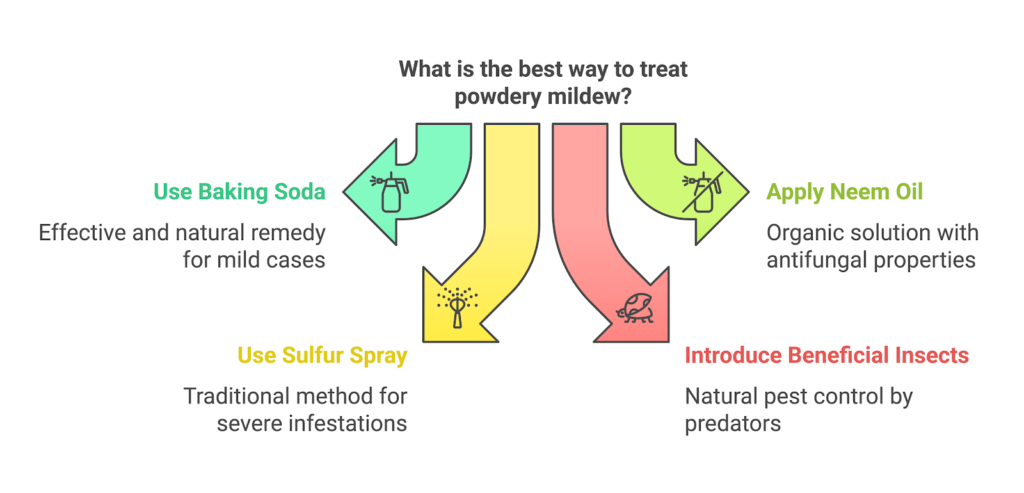
If you spot powdery mildew, it’s time to act fast. The right approach can save your plants and prevent further spread.
What Are Curative Measures?
Several solutions can address powdery mildew effectively:
- Bicarbonate sprays: Sodium or potassium bicarbonate raises leaf pH, disrupting the mildew’s growth.
- Neem oil treatments: This natural remedy coats leaves and halts fungal development.
- Baking soda solutions: A simple yet effective mixture for small-scale grows.
Pre-Treatment Checklist:
- Remove heavily infected leaves.
- Clean tools and sanitize your workspace to avoid spreading spores.
Post-Treatment Actions:
- Reapply sprays every 7-10 days as needed.
- Observe plants closely for signs of improvement or recurring infections.
What Additional Preventative Measures Can Help?
Prevention is always better than cure. Integrate these practices into your routine:
- Optimize airflow: Use fans to keep air moving through your grow room.
- Monitor humidity: A dehumidifier can help maintain safe levels.
- Regular cleaning: Wipe down surfaces and tools to eliminate hidden fungal spores.
By pairing treatment with prevention, you’ll create a robust defense against future outbreaks.
How Can You Prevent Powdery Mildew in the Future?
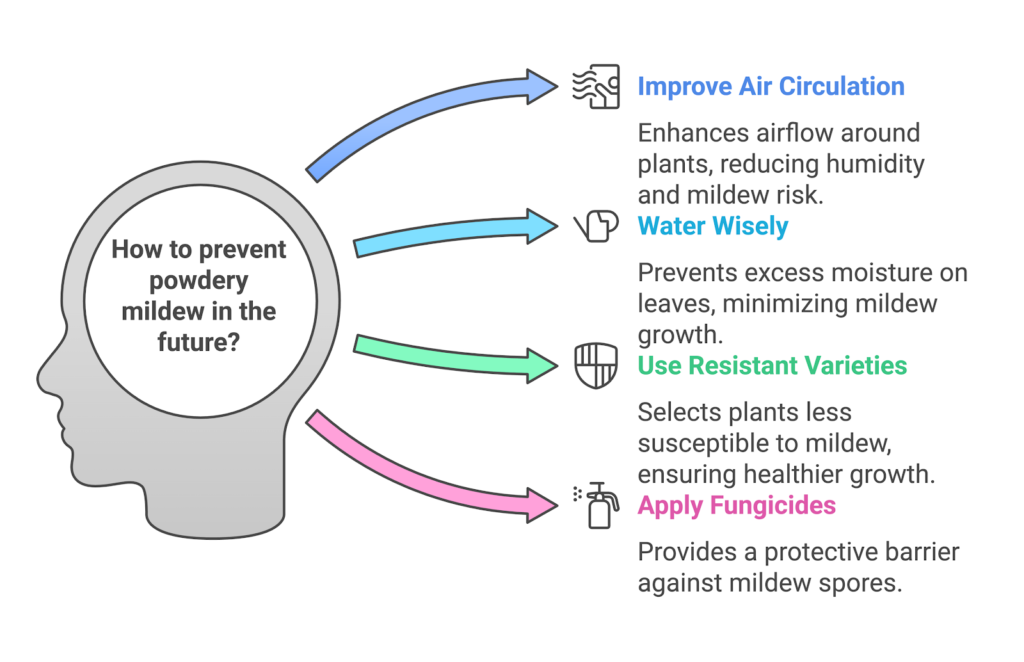
Long-term prevention of powdery mildew requires a proactive and holistic approach.
What Environmental Controls Should You Implement?
Prevention starts with the environment:
- Lower humidity: Keep it under 50% to discourage fungal growth.
- Improve light exposure: Bright, even lighting reduces the risk of humid microclimates forming.
- Ventilation: Ensure proper airflow to keep plants dry and healthy.
Why Is Plant Health So Important?
Strong plants are naturally more resistant to diseases:
- Select mildew-resistant strains: Some cultivars are bred specifically for their resilience.
- Feed plants appropriately: A well-nourished plant can fight off infections more effectively.
- Inspect leaves regularly: Look for early signs on fan leaves and other parts.
Healthy plants in a well-maintained environment are far less likely to succumb to powdery mildew.
Conclusion
Successfully combating powdery mildew is challenging but achievable with the right approach. Early detection is crucial—watch for white patches or yellow spots disrupting the vibrant green of your plant’s leaves. Prompt action with effective treatments, combined with proper aeration, moisture regulation, and maintaining cooler temperatures during the growing season, can significantly mitigate the issue. Prevention remains the best strategy, especially for growers of hemp cultivars or other cannabis varieties. By understanding and implementing proper care practices, producers can safeguard their crops and foster healthy, robust growth in any cultivation setting.
Frequently Asked Questions
What is the magic that keeps powdery mildew away from your indoor space?
It all starts with maintaining steady airflow, managing humidity, and keeping your growing space clean and organized. A proactive approach always pays off.
What is the best treatment for powdery mildew on cannabis?
Treatments include potassium or sodium bicarbonate sprays; natural remedies also include neem oil. For all these cases, it’s best applied fast after the detection of the early signs.
Does Powdery Mildew Spread Quickly Between Plants?
Unfortunately, yes. Powdery mildew can spread in no time through spores that travel in the air or cling to surfaces. The moment you spot it, isolate affected plants to stop it from reaching other leaves or neighboring plants.