General Strain
🌱 Cannabis
Introduction
Growing cannabis can be a rewarding and fulfilling endeavor, whether you’re a hobbyist looking to cultivate your own stash or a serious grower aiming for high yields. One of the primary decisions you’ll face is whether to grow indoors or outdoors. Each method has its own advantages, challenges, and unique requirements. In this guide, we’ll explore the key differences between indoor and outdoor cannabis cultivation, providing you with practical tips and actionable advice to help you succeed in your growing journey.
Indoor Cannabis Cultivation

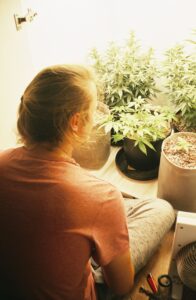
Growing cannabis indoors allows for greater control over the growing environment. This method is ideal for those who live in areas with harsh weather conditions or limited outdoor space. Here are some essential tips for successful indoor cultivation:
Environment Control
Creating the perfect environment is crucial for indoor cannabis growth. Key factors include:
- Light: Invest in high-quality grow lights, such as LED or HID lights, to mimic natural sunlight. Most cannabis plants require 12-18 hours of light per day during the vegetative stage and 12 hours during flowering.
- Temperature and Humidity: Maintain a temperature of 70-85°F (20-30°C) during the day and slightly cooler at night. Humidity levels should range from 40-60%, decreasing to 30-40% during flowering to prevent mold.
- Ventilation: Proper airflow is vital. Use fans and vents to ensure air circulation, helping to regulate temperature and humidity while providing fresh CO2 for your plants.
Soil and Nutrients
Choosing the right soil mix and nutrients can significantly affect your plants’ growth:
- Soil: Use a high-quality potting mix designed specifically for cannabis. This mix should provide good drainage and aeration.
- Nutrients: Cannabis plants have specific nutrient needs throughout their lifecycle. Use nutrient solutions tailored for cannabis, keeping in mind the nitrogen-heavy needs during the vegetative stage and phosphorus and potassium needs during flowering.
Pest Management
Indoor grows are generally less susceptible to pests, but they can still occur. To minimize pest issues:
- Cleanliness: Maintain a clean growing environment. Regularly remove dead leaves and debris.
- Natural Remedies: Use organic pest control options, such as neem oil or insecticidal soap, to combat infestations without harming your plants.
Outdoor Cannabis Cultivation
Outdoor cannabis cultivation offers unique benefits, including natural sunlight and space for larger plants. However, it comes with its own set of challenges. Here are some tips for growing cannabis outdoors:
Choosing the Right Location
The success of outdoor cannabis cultivation largely depends on the chosen location:
- Sunlight: Select a spot that receives at least 6-8 hours of direct sunlight daily. Avoid shaded areas, as they can stunt growth.
- Soil Quality: Test the soil in your chosen location. Ideal soil should be rich in organic matter and well-draining. Consider amending the soil with organic compost or fertilizers.
Timing Planting
Timing is critical when growing cannabis outdoors. Here’s how to optimize your planting schedule:
- Season: In most regions, the best time to plant cannabis outdoors is in late spring after the last frost. This allows plants to take full advantage of the summer sun.
- Strain Selection: Choose strains that are suitable for your climate. Early-flowering strains may be better suited for areas with shorter growing seasons.
Watering Techniques
Proper watering is essential for healthy outdoor cannabis plants:
- Deep Watering: Water deeply and infrequently to encourage strong root development. Ensure the soil dries out between waterings to prevent root rot.
- Rain Protection: Be prepared for heavy rain. Consider using mulch to protect the roots and maintain moisture levels.
Pest and Disease Control
Outdoor plants are more vulnerable to pests and diseases. Implement these strategies to protect your crop:
- Companion Planting: Use companion plants such as marigolds or basil, which can deter pests and attract beneficial insects.
- Regular Monitoring: Inspect plants regularly for signs of pests or diseases. Early detection is key to effective management.
Conclusion
Whether you decide to grow cannabis indoors or outdoors, understanding the unique requirements and challenges of each method is crucial for success. Indoor cultivation offers precise environmental control, allowing for year-round growing, while outdoor cultivation provides the benefits of natural sunlight and larger yields. Whichever path you choose, remember to stay informed about the needs of your plants, monitor their health regularly, and adjust your care techniques as necessary. With patience and practice, you can cultivate a thriving cannabis garden that yields potent and flavorful buds. Happy growing!