
Cannabis crossbreeding is all about blending the genetic makeup of two different strains to develop something fresh and exciting. By strategically pairing male and female plants, you can shape everything from flavor to flowering time, creating offspring that boast fascinating traits. If you’re someone eager to explore plant breeding or simply looking to produce seeds tailored to your personal taste, you’ll find that cannabis crossbreeding offers a realm of possibilities you might not have considered before.
Key Takeaways:
- Careful selection of both male and female cannabis plants is crucial if you want to control traits like aroma, growth pattern, and overall yield.
- Understanding flowering stage duration and genetic diversity will help you create a stable new strain that’s consistently high in quality.
- Simple tools such as colloidal silver can encourage male flowers on a female cannabis plant, making it easier to obtain feminized seeds.
What Is Cannabis Crossbreeding?
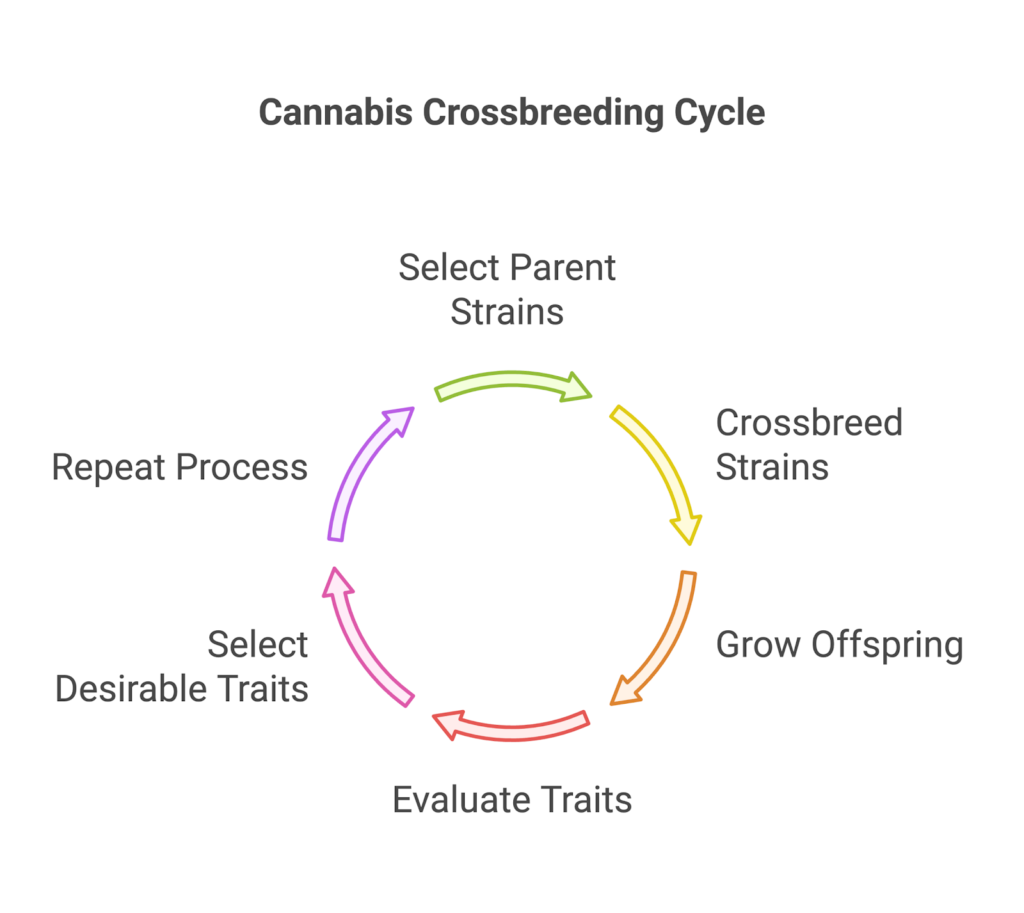
Cannabis crossbreeding, in its simplest form, involves taking two different strains of cannabis plants and bringing them together to cross pollinate. By doing this, you create a fresh batch of seeds that combine traits from each parent. This might mean you’ll get a mother plant that grows faster or has a different flavor profile than anything you’ve encountered before.
Getting Familiar with the Building Blocks
Successful cross breeding starts with genes. Each parent passes on unique traits that can affect potency, resilience, and even bud structure. Keep in mind that you can’t guarantee specific attributes in every single offspring, but here are a few key points about genetics.
- Your chosen female cannabis plant supplies half of the offspring’s genetic makeup.
- Male cannabis plants, often overlooked, provide the other half through their pollen.
- By selectively pairing two plants with great traits, you stand a better chance of producing high-quality weed.
A methodical approach to cannabis breeding ensures that each generation carries desirable features, whether that’s a specific taste, aromatic profile, or higher-than-average yield.
Male vs. Female Cannabis Plants
Male plants produce pollen and are fundamental when you want to create new strains, but female plants grow those sticky buds that most growers are after. To give you a clearer picture, check out the chart below, which highlights the main distinctions.
| Aspect | Male Cannabis Plants | Female Cannabis Plants |
| Primary Role | Generate pollen sacs and disperse male pollen | Produce buds and develop seeds upon pollination |
| Flowering Structure | Male flowers (less resinous) | Female flowers (resinous and high in cannabinoids) |
| Breeding Importance | Delivers half the genes, shapes critical traits in the offspring | Serves as the mother plant, crucial for seed production |
| Harvest Goals | Typically discarded unless you want to preserve specific male traits | Grown for buds and harvested for compounds like THC or CBD |
Thanks to this contrast, you’ll see why you need both sexes for proper cannabis breeding. Without males, you can’t pollinate, and without female plants, there’d be no seeds to harvest. In the end, the entire plant kingdom revolves around that crucial balance.
How Do You Cross Pollinate to Create a New Strain?
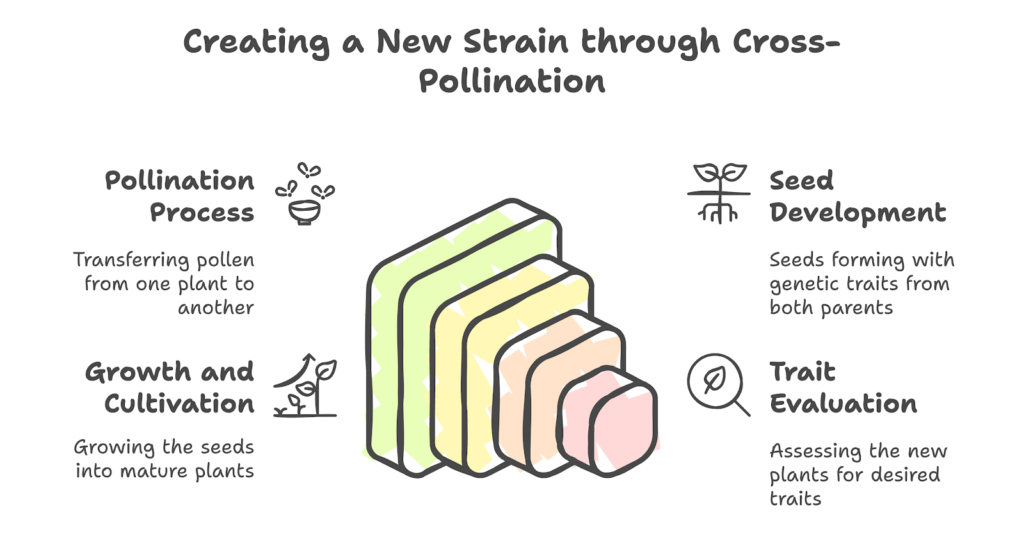
Creating a new strain boils down to taking pollen from male plants and placing it onto receptive female flowers. Once fertilized, the female will produce seeds that bundle both parents’ genes. This is the core principle behind cannabis crossbreeding, and it’s the reason growers and breeders get so excited about unlocking different combinations.
Choosing the Ideal Parents
Finding standout parents for your new strain is a big part of the selection process. Maybe you’re after faster flowering time, or perhaps you want a resistant crop that can handle cooler climates. Whatever your goals, there are some straightforward steps to follow when selecting males and females.
- Look for strong, healthy mothers with desired traits like potent buds or unique aromas.
- Reserve male plants that look vigorous, produce healthy pollen sacs, and show robust growth.
- Isolate males to prevent accidental pollination of your entire plant stock.
Taking the time to pick prime parents sets the stage for offspring with the very best traits. You don’t want to gamble with genetics if you’re serious about producing a cannabis strain that stands out.
Steps for Pollination
After you’ve picked the right male plants, you’ll need to collect and apply their pollen. Pollination is simple in theory, but precision helps. Here’s a general rundown of what you’ll need to do.
- Wait until pollen sacs fully open, releasing a fine yellow dust.
- Transfer the pollen onto your female flowers, focusing on specific branches or buds if you want controlled seed production.
- Mark the plants you’ve pollinated, then keep them in a separate area for a couple weeks so the seeds can mature.
When seeds become firm and darker in color, it’s time to harvest and store them for future growing cannabis adventures.
What Are the Key Traits to Focus on for Cannabis Strains?
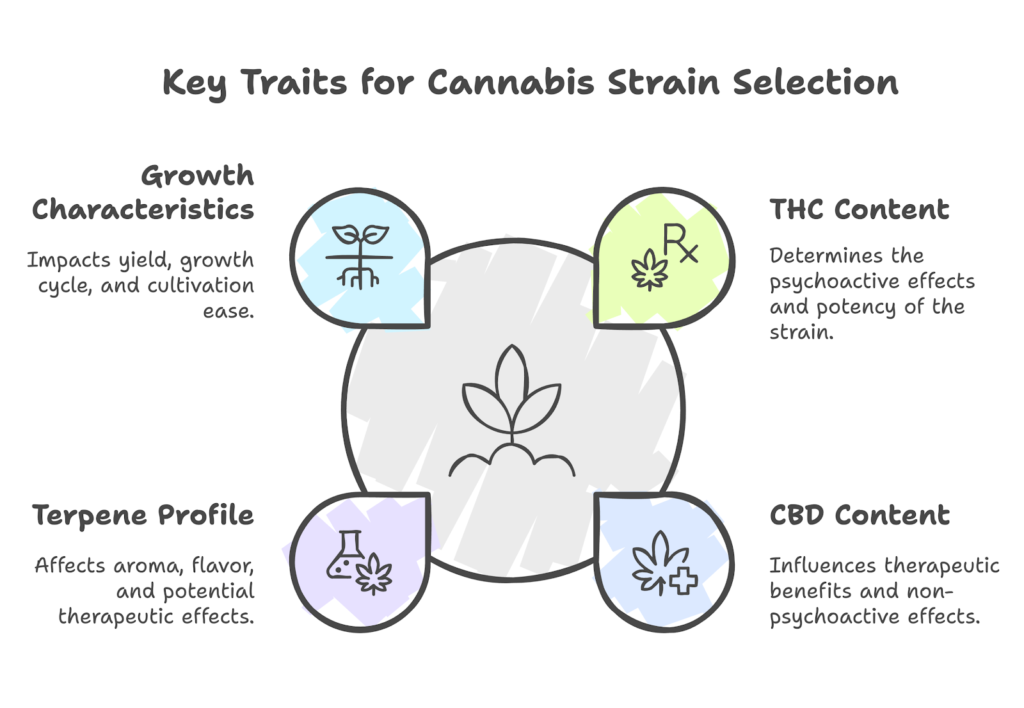
Your goal might be medical cannabis benefits, bigger harvests, or maybe a fresh flavor profile. No matter what it is, each cannabis plant you grow has a variety of traits—like flowering stage length, potency, and terpene content—that are worth considering. By zeroing in on specific features, you’ll streamline your crossbreeding projects and cut down on guesswork.
Zeroing In on Growth Habits
Growth habits can make or break your crop. Factors like plant height, branching tendencies, and resilience to stress all come under this banner. Here are some ways to get a handle on your chosen strain’s growth traits:
- Observe parents under similar conditions to anticipate how their offspring might fare.
- Keep an eye on how quickly buds form and whether the plant is prone to mold or pests.
- Choose strains that complement each other if you want a balanced hybrid.
It’s entirely possible to find two different strains with contrasting qualities that come together seamlessly, yielding a new generation that’s incredibly well-rounded. By using the right parents, you turn potential weaknesses into strengths.
Balancing Flavor and Potency
Many breeders and grower enthusiasts want weed that tastes great and packs a punch. Taste profiles (often referred to as terpenes) can range from fruity to skunky, while THC and CBD levels determine potency. Consider these tips to balance flavor and potency:
- Test small batches of each parent plant, noting flavor hints and THC/CBD content.
- Cross strains that share complementary terpene profiles for unique flavor blends.
- Factor in the final harvest timing, because letting buds ripen too long or not long enough can affect both taste and cannabinoid content.
Striking the right balance between taste and power is one of the most satisfying parts of cannabis crossbreeding, especially if you’re aiming for something truly distinctive. Once you’ve zeroed in on these traits, it’s time to think about preserving genetic diversity in your cannabis breeding efforts.
How to Maintain Genetic Diversity in Your Cannabis Crop?
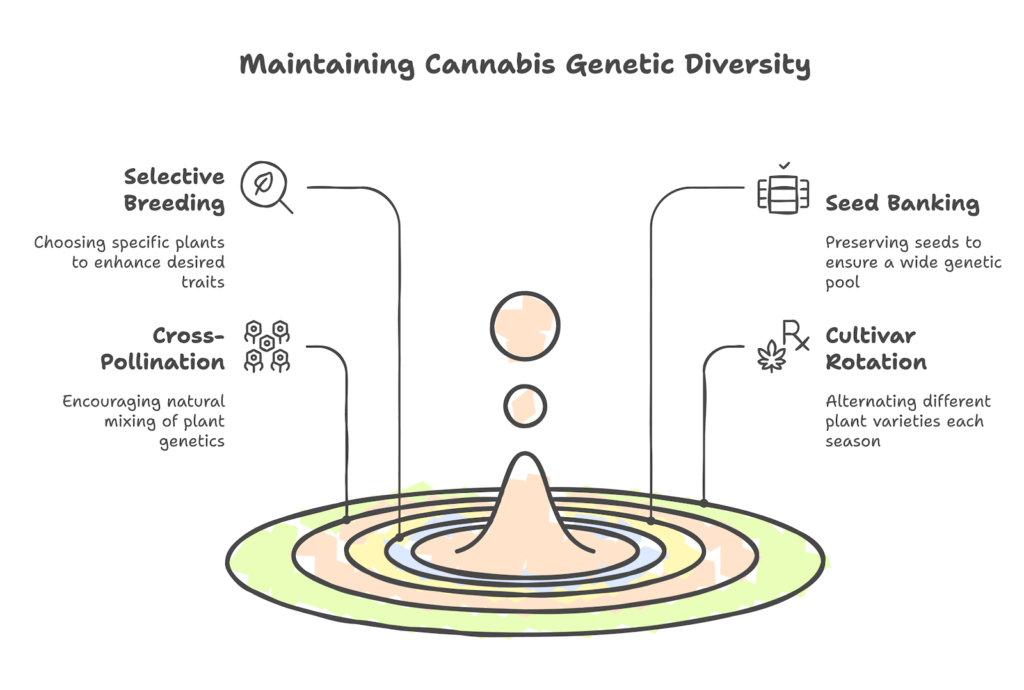
Genetic diversity acts like a safety net, ensuring that future generations don’t suffer from inbreeding or weakening traits. If you keep working with the same tiny pool of genetics, problems can arise over time—diminished vigor, reduced yield, and vulnerability to diseases, to name a few. Spreading out your gene pool is a smart move for anyone interested in producing robust, healthy strains over multiple generations.
Preserving Extra Seeds and Clones
One of the best ways to keep genetic diversity alive in your operation is by saving seeds and taking clones from a variety of parent plants. Though it takes extra organization, this approach pays off in the long run.
- Properly label and store seeds in a cool, dry space so they remain viable.
- Maintain mother plants for cloning whenever you find an exceptional genetic line.
- Revisit older seeds occasionally to see if they yield any surprising new traits.
Having a broad library of genetics at your fingertips lets you revisit earlier generations whenever you want to try a fresh mix. That means your plant breeding never stagnates.
Using Colloidal Silver for Feminized Seeds
Ever worry about hunting down top-notch males? With colloidal silver, you can induce male flowers on a female cannabis plant, harvest that pollen, and then create feminized seeds. This method has become quite popular because it saves you the trouble of guessing a plant’s sex. Keep the following points in mind:
- Carefully apply colloidal silver to female plants early in the flowering stage to trigger the development of male flowers.
- Gather the pollen and use it on another female, ensuring nearly all your seeds become female seeds.
- This approach can be especially handy for a grower with limited space who wants predictable results.
Bear in mind that maintaining genetic diversity means using multiple techniques, including both standard breeding with male and female plants, as well as these modern methods that give you more control. By blending old-school approaches with new innovations, you’ll maintain a healthy gene pool and keep your breeding program strong.
Conclusion
Cannabis crossbreeding doesn’t need to be intimidating. Armed with a little knowledge about male pollen, female flowers, and each parent’s traits, you can become the breeder who creates extraordinary hybrids. Keep track of each cross, store your seeds carefully, and pay attention to factors like growth, aroma, and potency. With a patient, hands-on approach, you’re likely to uncover combinations you never dreamed possible. Remember, your passion and curiosity are what ultimately lead to unique cannabis strains that you’ll be proud to share.
Frequently Asked Questions
How long should I wait to harvest seeds after pollination?
It generally takes a couple weeks for seeds to mature after you pollinate female flowers. You’ll know seeds are ready when they turn darker, become firm, and easily separate from the plant.
Do I need separate spaces for males and females?
Yes, if you want controlled pollination. Separating male cannabis plants lets you gather pollen precisely and avoid fertilizing every female plant in the room, which could lead to seed production where you don’t want it.
Can I cross two different strains without advanced knowledge?
Absolutely. Even if you’re new to plant breeding, you can still experiment with crossing strains as long as you understand the basics of how to pollinate and store seeds. Start small, take notes, and learn from the results as you continue growing cannabis.