Many people struggle to get proper rest. Sleep is one of the most important factors for good health maintenance. But can cannabidiol or CBD really help you sleep? New evidence suggests that maybe this compound may have beneficial effects on sleep by reducing anxiety, stress, and discomfort—which commonly interfere with the restful pattern of sleep.
CBD is a naturally occurring compound isolated from hemp, a plant known to have a sleep-promoting effect, and that is non-psychoactive, meaning it does not contain THC. In this article, we will discuss how CBD may improve your sleep quality, the science behind its effects, and some important caveats before you consider starting to take it yourself.
Key Takeaways
- CBD could enhance your sleep quality or duration through the modulation of the body’s endocannabinoid system.
- It can reduce anxiety and stress, which are two significant sleep barriers.
- It is important to consult a doctor first before starting CBD if you are on medication.
How Does CBD Affect Sleep?
CBD can promote better quality and duration of sleep by enabling normal stages of sleep to progress without interruptions. It benefits in dealing with sleep disorders caused by either insomnia or obstructive sleep apnea.
CBD and the Endocannabinoid System
CBD works on your body’s ECS, which is in charge of controlling and regulating sleep. It manages your sleep pattern by being:
- An anxiety reducer and stress in itself—the greatest sleep disruptors.
- Ensuring it enhances your natural sleep-wake cycle, which is easy to fall into but hard to stay awake from.
- Can enhance or improve sleep efficiency, which means you get more sleep in a short period or quality sleep.
Influence on REM Sleep
Now you might ask, what’s one thing about REM sleep? Studies talk about how CBD affects REM sleep. The latter is where most of the dreaming goes on and is used as a process for emotional regulation. There are some studies that suggest how different dosages can affect various aspects of REM sleep. In addition, low doses do seem to provoke better REM, while high doses seem to decrease it. Thus, there is a need to find the optimal amount of CBD for you because it can affect your overall sleep architecture.
CBD for circadian rhythm disorders
If you work on shifts most of the time at night, or turns, CBD could be the new savior for you. By administering CBD to the body, it will help regulate your circadian rhythm, making it easier to adjust to different sleeping times. Here’s how:
- It helps your sleep faster even when you change your schedule.
- It can even make your overall sleep even better when the working hours aren’t regular.
- It may help reduce sleep disturbances due to a desynchronized circadian rhythm.
In a nutshell, CBD can beneficially affect your sleep in terms of interacting with your natural system. Of course, research is necessary to fully understand and utilize it correctly as far as sleep concerns are seen.
What are the benefits of using CBD for sleep?
Currently, many people are opting for cannabidiol, more popularly known as CBD, as their natural source to enjoy quality sleep, which they all desire. Presently, people are appreciating the fact that it can help them relax and sleep well at night.
How does CBD reduce anxiety and stress?
CBD is a game-changer in relaxing the mind. It assists in reducing levels of anxiety by interacting with the endocannabinoid system in your body. This makes it easier for you to go to sleep. Some key takeaways:
- It reduces anxiety: There have been studies conducted that suggest CBD reduces anxiety, which has been one of the major things that prevents you from getting quality sleep.
- It promotes relaxation: It tends to calm racing thoughts, thus leaving you relaxed.
- Non-intoxicating: Unlike THC, CBD won’t give you that high, stoned feeling, making it the safer alternative when it comes to sleep.
Can CBD manage pain and inflammation?
If you are suffering from chronic pain, you would want to give CBD a shot. CBD has anti-inflammatory properties that may help reduce your body’s ache and get you to sleep. Here’s how:
- Pain relief: Most users report having fewer aches when taking CBD. This will help enhance sleep.
- Greater comfort: CBD will reduce inflammation that causes discomfort during the night.
- Natural treatment: safer and less likely to have side effects like most medications.
How does CBD address restless leg syndrome?
Restless Legs Syndrome is terrible when one tries to fall asleep. CBD might relax restlessness in the legs, which would come about as a more relaxed sleeping night. Some key points are
- Less jerking: There are anecdotal reports that CBD can help reduce involuntary movement.
- Better sleep: You will be able to stay asleep due to calmed symptoms of RLS.
- User experiences: Many people report benefit of CBD when used related to RLS.
CBD can be a natural, effective sleep aid. Whether it is just to reduce anxiety, manage pain, or help deal with conditions such as RLS, the benefits of CBD on sleep make its exploration well worth the time. Just remember to consult a healthcare professional before beginning any new treatment!
What are the potential risks and considerations of using CBD for sleep?
For most people, CBD is generally safe to use for sleep, especially if you are using it in the short term. However, there are some potential risks you should be aware of.
Potential Side Effects
Although many people find that CBD is tolerable, side effects are possible for some. These include:
- Drowsiness or fatigue
- Diarrhea or gastrointestinal distress
- Changes in appetite or weight
Interactions with Medications
CBD can react in a way your body metabolizes some drugs, particularly those that your liver metabolizes. This could lead to:
- Reducing the intensity of medications such as statins and blood thinners
- Risk of adverse effects of other drugs
- Irregular dosing since CBD is not classified as a controlled substance by the FDA
Seek professional healthcare consultation.
Before using CBD, it’s advisable to have a word with your health care provider. He or she will be able to advise you on:
- If it’s a good fit for you
- The appropriate initial dose
- Any possible interactions with any other medications
Keep in mind that early studies show potential, but more will need to be done to understand the full long-term effect of CBD. Take care of your health and well-being, always!
How do I choose the right CBD product for sleep?
There are so many options available, which can be a little overwhelming. But here is the good news: understanding the various types of CBD available can help you make a better choice for your sleep needs.
Forms of CBD: Oils, Gummies, and More
CBD comes in many different forms. Here are some popular forms:
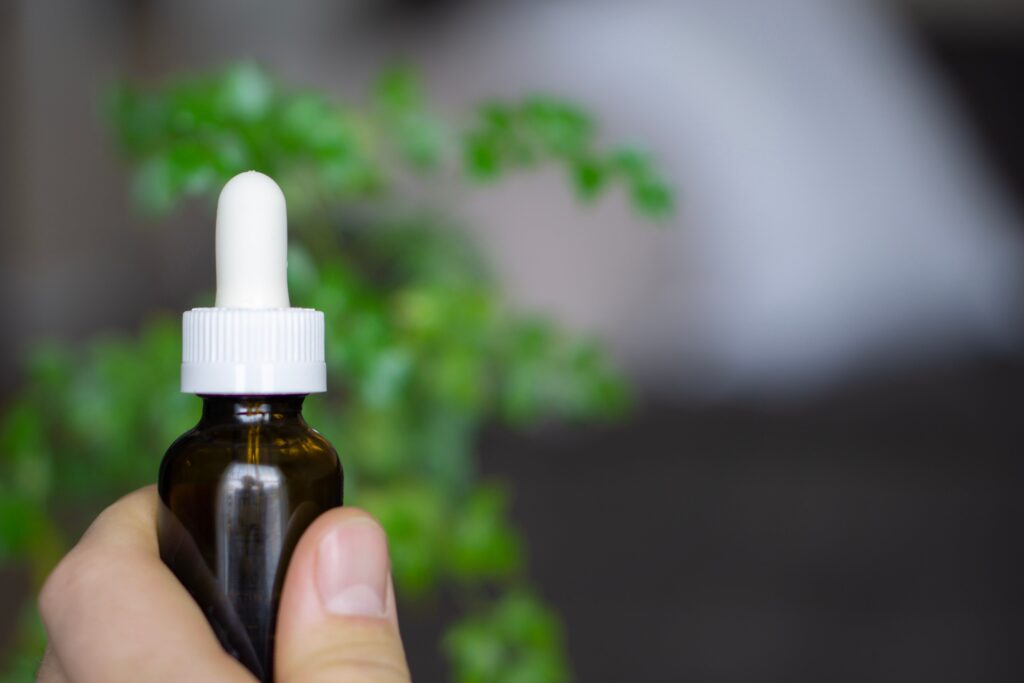
- Oils: Applied by placing drops under the tongue, these are fast-acting and fairly easy to manage.
- Gummies: convenient and tasty for a sweet thrill.
- Capsules: Easy to swallow, it’s a very straightforward option.
- Topicals: Creams and patches can be applied topically to the skin, which may help with aches.
Each form has their respective pros and cons, so consider what works best for your routine.
Dosage Guidelines
Getting the right dosage is something that can be challenging, but it is as follows:
- Start Low: Begin with a low dose and go from there to see how your body reacts.
- Increase Gradually: When you feel like everything is fine, increase your dosage in small portions.
- Listen to Your Body: Every person is unique, so tune into how your body reacts.
Remember, whenever you decide to take it, consult a healthcare professional first.
Timing and Usage Tips
When do you take your CBD? Here are some useful tips:
- At Night: Taking CBD 30–60 minutes before you go to bed might help you fall asleep.
- Consistency is the King: Taking it in the evening at around the same time daily will have the best effect.
- Create a Routine: Have your CBD with relaxing activities, like reading or meditating, to tell your body that bedtime is here.
Wrapping It Up: CBD and Sleep
So, does CBD really work in helping you sleep? Many people reported that it had positive effects on relaxation and sound sleep, although this was more when they suffered from anxiety or pain. Like Dr. Whitelocke mentioned, CBD can even help your body return to its rhythm of sleep. However, much more research is necessary to understand how to work.
If you want to give CBD a try for sleep, first talk with your doctor. They can find a safe product for you and help determine if it is something that will be good for you. Of course, while CBD might be just the ticket for some of you, there is no magic pill for everyone, so keep on looking for what works best for you to get a better night’s rest!
Frequently Asked Questions
What is CBD, and how does it impact sleep?
CBD is the shortened term for cannabidiol, one of the compounds in cannabis. Unlike THC, though, CBD doesn’t get you high and has shown some promise in helping you sleep by interacting with your pain receptors, which can act like sleep medicine to help you relax better and fall asleep. Many people find that CBD can also improve sleep quality, making it a potential option for those struggling with insomnia symptoms.
Is CBD safe for use in sleep, or are there side effects?
Although many users consider CBD to be safe, you may have specific side effects, such as being tired, changes in appetite, or an upset stomach. A doctor should always be consulted before making the decision to take CBD, especially if you are on other medications.
How do I take CBD for insomnia?
CBD is available in many different forms, including oils, gummies, and capsules. Ultimately, the best form for you will depend on your needs and personal preferences, so you may have to try several products to see which one works best for your sleep medicine routine or to improve sleep quality.