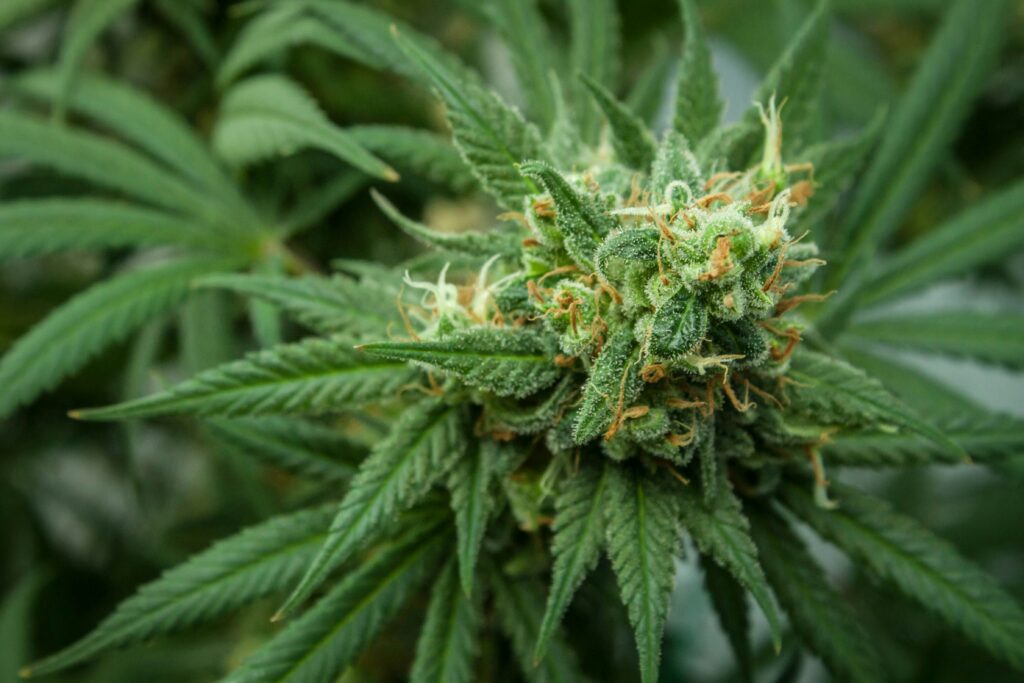
While growing cannabis can be very rewarding, there are pitfalls in the process. The most persistent one is unwanted cannabis whiteflies. These small, winged insects can drain the life from your plants, leaving them vulnerable to disease and, ultimately, threatening your crop. Be it a small few plants you’re growing indoors or a full-on operation setup, it is basic knowledge to know how to identify, treat, and prevent whiteflies when it comes to protecting your healthy cannabis plants.
Key Takeaways:
- Detecting whiteflies early and employing integrated pest management (IPM) can help avert large-scale damage.
- Opting for natural predators, neem oil, and other eco-conscious remedies keeps whitefly populations at bay.
- Proactive strategies—like using yellow sticky traps and employing companion plants—reduce the chance of future infestations.
What Are Cannabis Whiteflies and Why Should You Care?
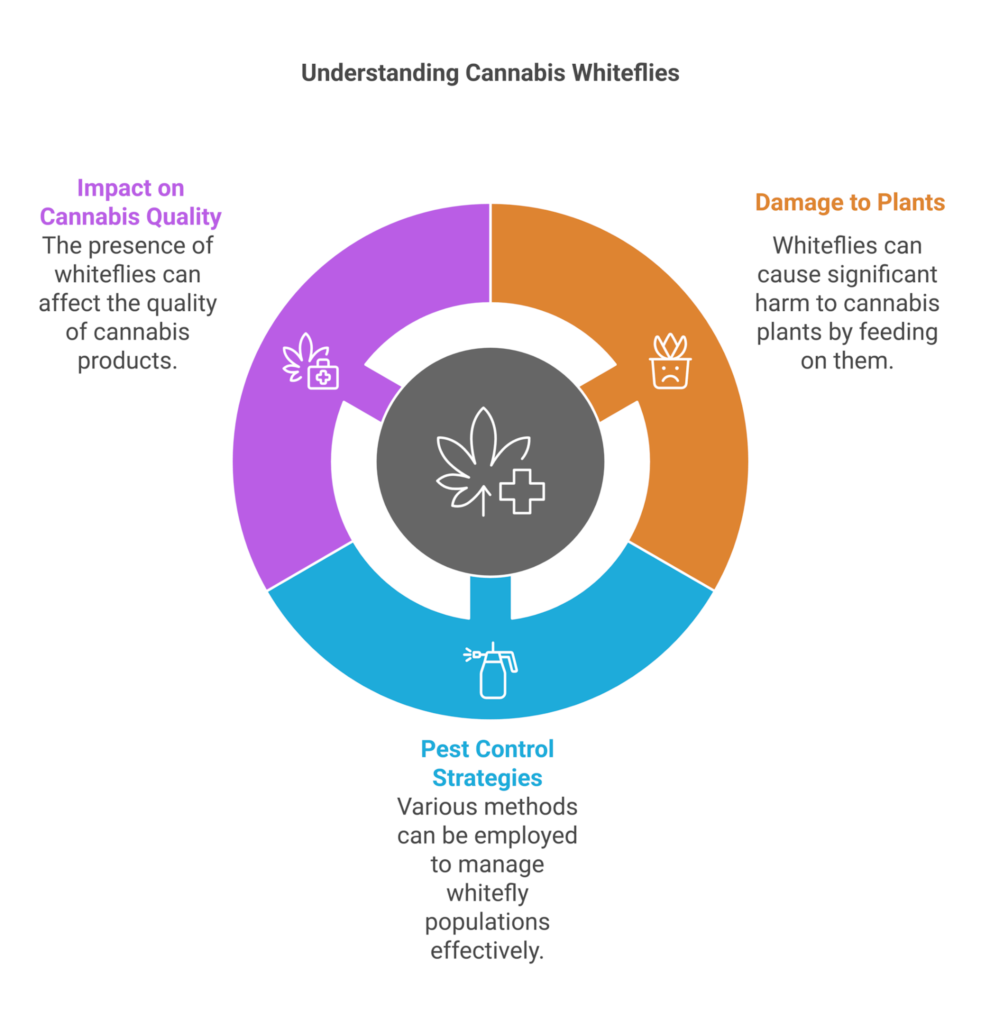
Cannabis whiteflies are tiny-winged invaders posing a grave threat to cannabis farms. They damage your plants, weakening them while sucking plant sap and putting them at increased risk of most diseases. Their population also thrives fast, so early detection should be followed immediately by intervention.
How to Spot Cannabis Whiteflies on Your Plants
Identifying these tiny troublemakers is your first line of defense. Usually, whiteflies linger on the undersides of leaves, where they’re not immediately apparent.
Adult Whiteflies
Tiny and white, these adults flutter like miniature moths. If you jostle the plant and see small white insects take flight, it’s likely you’ve spotted them.
Whitefly Nymphs
In the nymph stage, they appear as teeny, oval-shaped critters clinging motionless to the leaf undersides. Oddly enough, this is when they inflict the most damage.
Sooty Mold
This black, tacky fungus often emerges where whiteflies have excreted honeydew. The mold obscures sunlight, undermines photosynthesis, and further compromises the plant’s health.
Signs of Infestation
A few telltale signs often signal a whitefly infestation:
- Leaves turning yellow or wilting due to nutrient depletion.
- Sticky secretions on leaves and nearby surfaces, which can lure additional pests.
- Tiny, white, moth-like insects fluttering around when the plant is moved.
If you notice these symptoms in concert, it’s time to take prompt action to salvage your plants.
How Can You Keep Whiteflies Under Control?
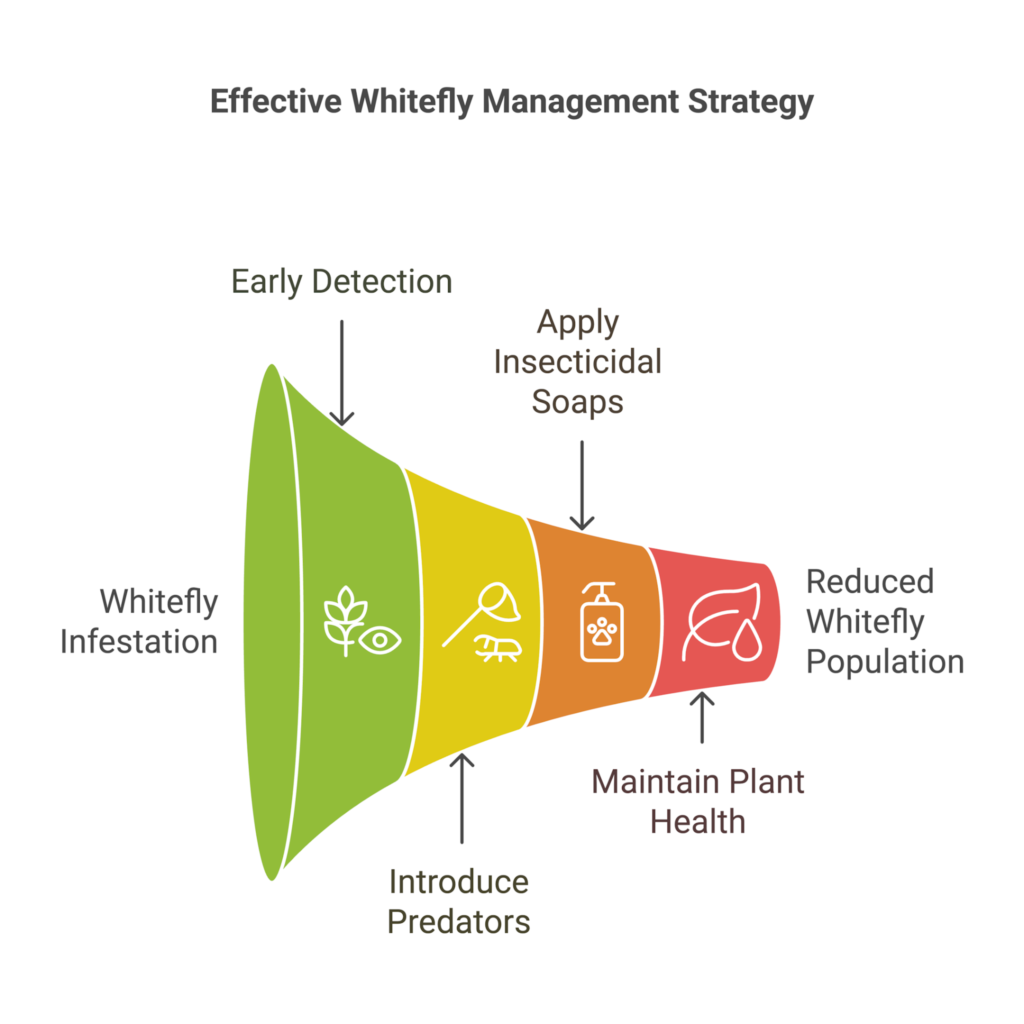
Controlling whiteflies on cannabis involves multiple tactics. Combining natural, organic, and mechanical interventions helps reduce their numbers and defend your plants from additional harm.
Harnessing the Power of Natural Predators
Sometimes the best fix comes from nature itself. Certain beneficial insects—your garden’s natural bodyguards—are remarkably efficient at curbing whitefly infestations while keeping your plants (and the planet) safer.
Which Natural Predators Work Best?
- Parasitic Wasps: These tiny wasps deposit their eggs inside whitefly nymphs. When the larvae emerge, they feed on the nymphs, obliterating them.
- Ladybugs and Lacewings: Insatiable hunters, these insects ravenously consume whitefly eggs and nymphs.
- Beneficial Nematodes: Almost invisible to the naked eye, these organisms attack and eliminate whitefly larvae in the soil, halting the next generation.
Encouraging these guardians also tackles other common pests—like aphids and spider mites—thus bolstering the overall resilience of your grow.
Using Neem Oil to Combat Whiteflies
Neem oil, extracted from neem tree seeds, remains a favorite amongst cannabis growers thanks to its efficacy and plant-friendly nature. Neem oil interferes with whitefly feeding and reproduction cycles, dramatically reducing their impact.
- Mix neem oil with water and a drop of mild soap to create a foliar spray.
- Thoroughly coat leaves on both sides, emphasizing areas heavily populated by adults or nymphs.
- Reapply every few days to catch newly hatched whiteflies before they progress to adulthood.
Other eco-friendly choices, such as insecticidal soap or horticultural oils, also prove effective. By suffocating eggs and nymphs, these solutions halt the pest’s life cycle altogether.
What Are the Best Preventive Measures for Whiteflies?
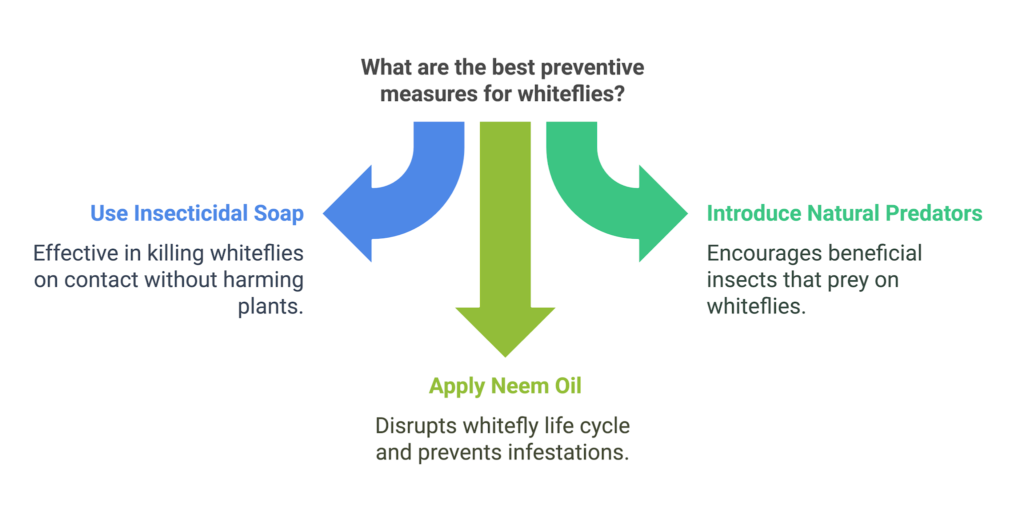
As the old saying goes: An ounce of prevention is worth a pound of cure. Setting up deterrents from the start makes it much less likely that whiteflies will find a foothold in your cannabis plants.
Why Yellow Sticky Traps Are a Must-Have
Simple yet impressively effective, yellow sticky traps serve a dual purpose: they help keep watch over whitefly populations and ensnare adult insects.
Advantages of Using Yellow Sticky Traps
- They lure adult whiteflies, helping you gauge the severity of an infestation.
- They lower pest numbers before eggs can be laid.
- They’re inexpensive, user-friendly, and effortless to position near your plants.
Particularly in spaces with limited airflow or higher humidity—like a greenhouse—yellow sticky traps are an indispensable ally.
Companion Planting and Other Preventive Tips
Strategically positioning certain plants near your cannabis garden can naturally discourage pests like whiteflies. A few shining examples:
- Marigolds: Their robust aroma is off-putting to whiteflies.
- Basil: Known to repel both whiteflies and other plant-munching foes.
Additional suggestions:
- Maintain adequate ventilation to keep humidity in check.
- Avoid overwatering, as it can encourage pests to settle in.
- Inspect your plants frequently for any unusual activity.
- Remove and dispose of afflicted leaves to halt the spread of whiteflies and other pests.
Through these straightforward steps, you’ll create an environment less welcoming to pests, ensuring your plants remain healthy.
How to Handle Severe Whitefly Infestations?
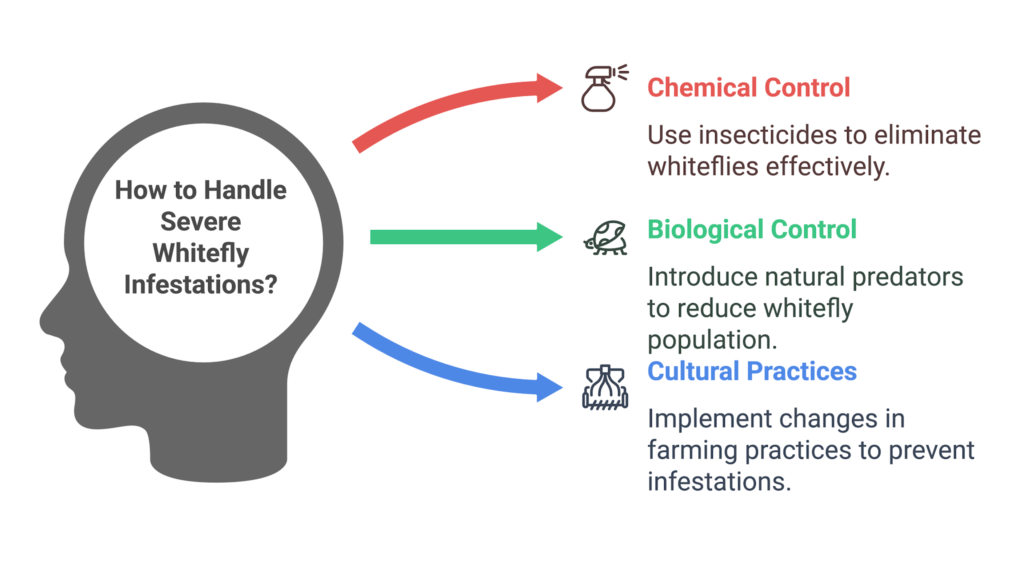
In the unfortunate event that whiteflies have already staked a major claim on your cannabis plants, a well-planned, multifaceted attack is your best bet for recovery.
The Role of Integrated Pest Management (IPM)
IPM weaves together various techniques for a long-term approach to pest suppression. Instead of relying on a single remedy, you combine monitoring, biological controls, and targeted treatments.
Steps to Follow in an IPM Program
- Regular Monitoring: Keep tabs on your plants with yellow sticky traps and daily inspections.
- Biological Control: Roll out the welcome mat for predatory mites or parasitic wasps.
- Organic Solutions: Opt for neem oil, insecticidal soaps, or foliar sprays containing essential oils.
- Plant Maintenance: Prune away damaged leaves and amplify general plant care to boost health and resistance.
Through these methods, you can rein in whiteflies and their ilk without jeopardizing the well-being of your plants or the surrounding ecosystem.
Comparing Control Methods
| Control Method | Effectiveness | Eco-Friendliness | Cost |
| Natural Predators | High | Very High | Moderate |
| Neem Oil | Medium-High | High | Low |
| Insecticidal Soap | Medium | High | Low |
| Yellow Sticky Traps | Medium | High | Very Low |
| Chemical Insecticides | High | Low | Moderate-High |
Consult this chart to pinpoint which solutions suit your budget, timeframe, and ecological values.
Conclusion
Vanquishing cannabis whiteflies hinges on vigilance, know-how, and a well-rounded plan of attack. By recognizing these pests without delay and implementing a blend of organic controls and preventive strategies, you can defend your cannabis harvest from their destructive nature. Healthy plants—achieved through proper care and constant observation—are ultimately your best shield against whiteflies and related nuisances. With patience, perseverance, and the correct arsenal, you can maintain a thriving cannabis crop free of these minuscule yet menacing foes.
Frequently Asked Questions
What Are the Early Signs of Cannabis Whiteflies?
Look for yellowed leaves, sticky honeydew residues, and minuscule white moth-like insects taking flight when the plant is disturbed.
Can Neem Oil Be Used During All Stages of Cannabis Growth?
Neem oil is safe through most phases, but you’ll want to steer clear during flowering to preserve the flavor and essence of the buds.
How Effective Are Yellow Sticky Traps Against Whiteflies?
These would prove ideal for adults and, in addition, could be utilized in conjunction with other control measures to capture and monitor eggs as well as nymphs underneath leaves.