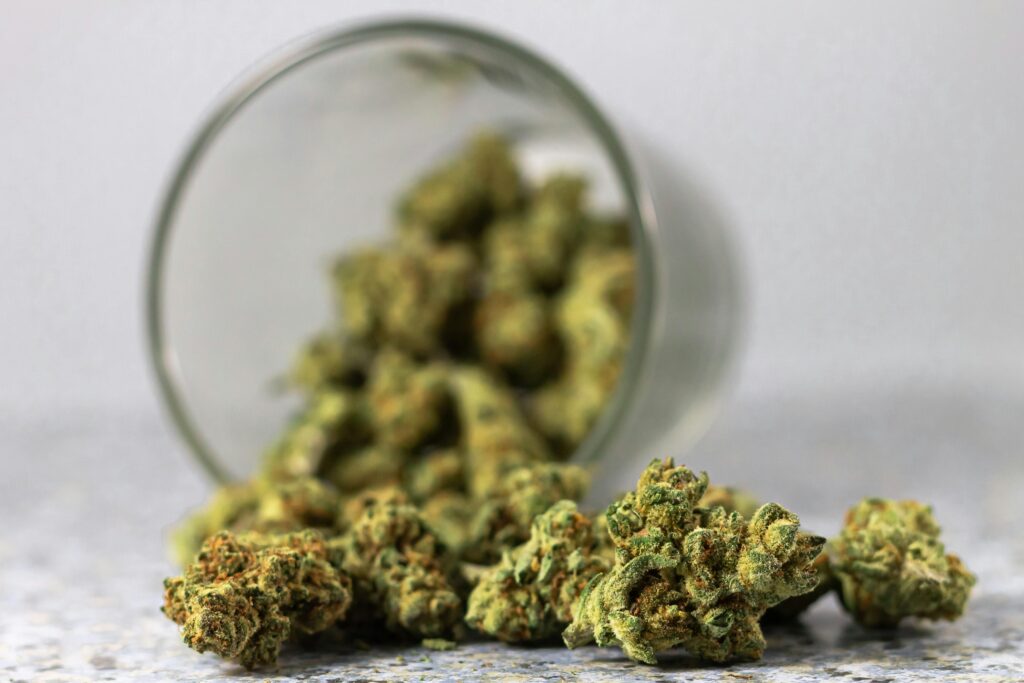
Myrcene is one of the most prevalent cannabis terpenes that plays an essential role in the overall aroma and effect of myrcene in different strains of Cannabis sativa and indica strains alike. Although research is needed to fully understand its role, the terpene myrcene has generated curiosity among cannabis users who are interested in harnessing its therapeutic benefits.
Key Takeaways
- Myrcene is known for its relaxing and sedative effects, which can make you sleepy when consumed at high levels of myrcene.
- Myrcene has the potential to offer analgesic and anti-inflammatory effects, potentially helping you experience relief from discomfort.
- This versatile terpene is commonly found in cannabis products, hop, and lemongrass, indicating its varied presence in nature.
What Is Myrcene in Cannabis and Why Does It Matter?
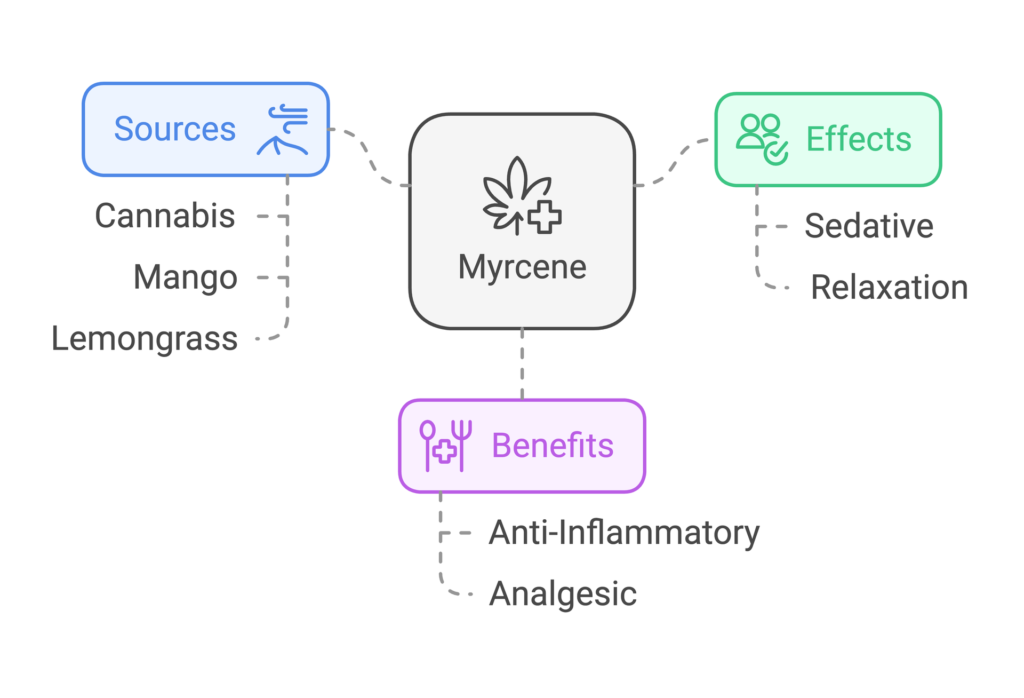
Myrcene is one of the dominant terpenes present in cannabis, often recognized for its earthy and musky aroma. You might notice that myrcene produces a slightly sweet, herbal scent, somewhat reminiscent of hop flowers.
Origins and Prevalence
Myrcene is found in hops, lemongrass, and various cannabis strains, making it a commonly found chemical across plants.
- Myrcene decreased in some cannabis strain samples when they were stored improperly.
- According to cannabis cannabinoid res, when myrcene increased, certain strains became more sedating.
You should know that myrcene is one essential compound in the terpene profile of many sativa strains and indica strains, and myrcene may influence how each strain affects you.
Enjoying cannabis containing high levels of myrcene can potentially sedate you, especially if you are already looking to wind down. Keep in mind that a high dose of this terpene is sometimes linked to stronger analgesic or anti-inflammatory properties.
Connection to Other Terpenes
Myrcene and limonene often appear together in different strains, providing unique combined effects.
- Terpene content in high THC cannabis might interact with cannabinoid receptors.
- The synergy between myrcene and limonene could boost your relaxation experience.
A study also revealed that myrcene interacts with human cb1 and cb2 receptors through the endocannabinoid system, hinting that myrcene has the potential to modulate the functional activity of your body’s cb2 receptor responses.
This synergy with other terpenes and cannabinoids underscores myrcene’s importance in medical cannabis formulations, indicating that myrcene might play a significant role in cannabis activity overall.
How Does Myrcene Affect Your Body and Mind?
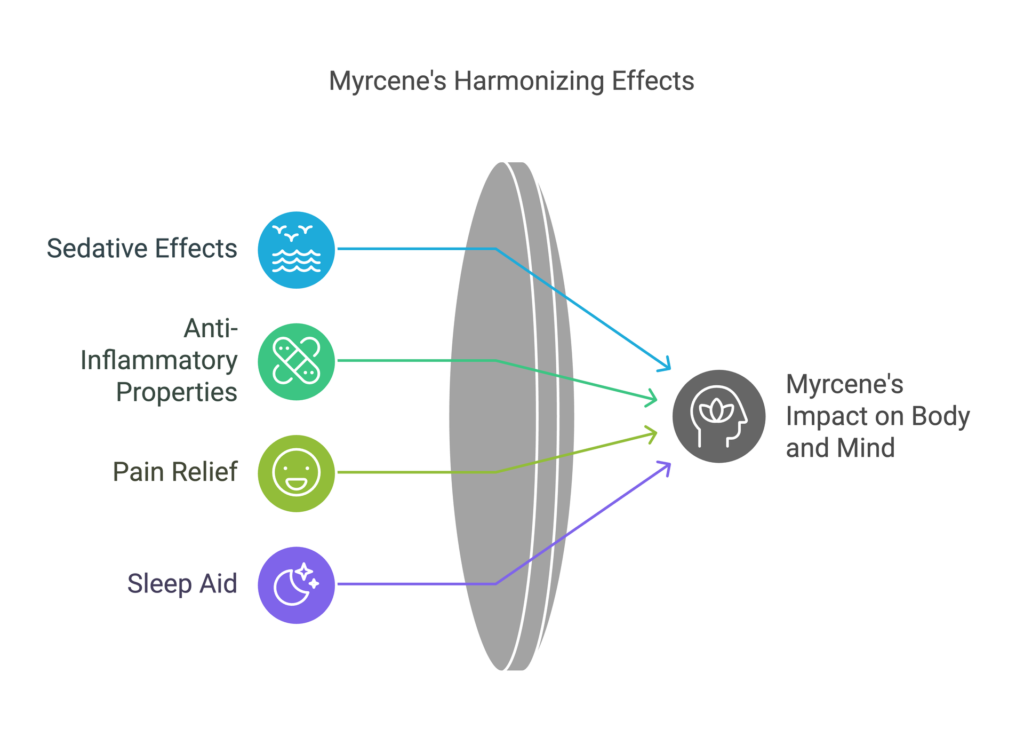
When you consume cannabis with high myrcene levels, you might experience sedative effects and anxiolytic effects. Some anecdotes suggest myrcene can make you sleepy, while others highlight its analgesic effects to ease discomfort.
Sedating and Relaxing Effects
Myrcene is known to induce a sense of relaxation that can help sedate you if you’re feeling restless.
Keep in mind that personal experiences vary from person to person.
- Role of myrcene in releasing endogenous opioids might contribute to its analgesic properties.
- High concentrations of myrcene could potentially support anti-anxiety effects.
- Some evidence indicates that myrcene might help reduce inducible nitric oxide synthase, which can lessen inflammatory responses.
- Myrcene produces an effect that could be more pronounced in indica strains or in high THC varieties, especially when the dose of myrcene is above 0.5%.
Whether you opt for cannabis with myrcene as a dominant terpene or prefer strains with more balanced terpene content, it’s crucial to remember that research is needed to confirm how consistent these sedating effects are.
Analgesic and Anti-Inflammatory Properties
Myrcene reduced discomfort in some animal studies, though we’re still waiting for more conclusive effects in humans.
Note that these findings come from early research, and more thorough studies are necessary to clarify how myrcene decreased or increased certain inflammatory markers.
- Myrcene levels in cannabis sativa could correlate with anti-inflammatory effects, especially in medical cannabis use.
- Myrcene decreased certain pain responses in rodent experiments, while in other cases, the analgesic and anti-inflammatory properties were more modest.
- A higher dose of myrcene showed that myrcene could help with chronic pain, but variability among different strains remains.
Ultimately, these reports suggest that myrcene might target the endocannabinoid system, possibly aiding you in tackling minor aches or stress.
Additionally, some studies propose that myrcene may help modulate the functional activity of key pathways linked to inflammation. This is particularly relevant if you’re interested in harnessing the anti-inflammatory effects without necessarily seeking the high from thc.
Can Myrcene Enhance the Effects of THC and CBD?

Because myrcene interacts with terpenes and cannabinoids, it can potentially amplify what THC and CBD do. Myrcene is known to modulate your body’s human cb1 and cb2 receptors, thus affecting your entire endocannabinoid system.
Interaction with THC and CBD
You might notice that some cannabis products containing high levels of myrcene offer an experience that feels more calming, which can be especially appealing if you’re trying to balance high THC.
Remember that individual responses vary widely, and each cannabis user is unique.
- Certain sativa strains with myrcene increased might produce a more soothing effect than you’d expect from typical sativa genetics.
- The ability to enhance the physical or mental impact of thc and cbd could come down to how myrcene is integrated into the terpene profile.
When it comes to synergy, indica strains with myrcene can be surprisingly sedating, while sativa strains with a lower myrcene content may feel more uplifting. That said, a study also indicates that myrcene might help release of endogenous opioids, potentially intensifying the analgesic and anti-inflammatory properties.
Potential for Anti-Anxiety Effects
If you’re seeking anti-anxiety or anxiolytic effects, myrcene might play a part in helping you unwind.
It’s worth noting that the existing version of the manuscript from certain scientific journals and official government organization references are not definitive, and more peer-reviewed findings are needed.
- Anecdotal reports suggest that lemongrass tea (rich in myrcene) can aid in relaxation.
- Myrcene can interact with the cb2 receptor to reduce stress markers.
- A mild sedation factor can help you calm down without feeling overwhelmingly stoned.
It all comes down to personal preference and how your body responds to myrcene. Tinkering with different strains can help you find a terpene profile that suits your needs.
Does Myrcene Only Come from Cannabis?
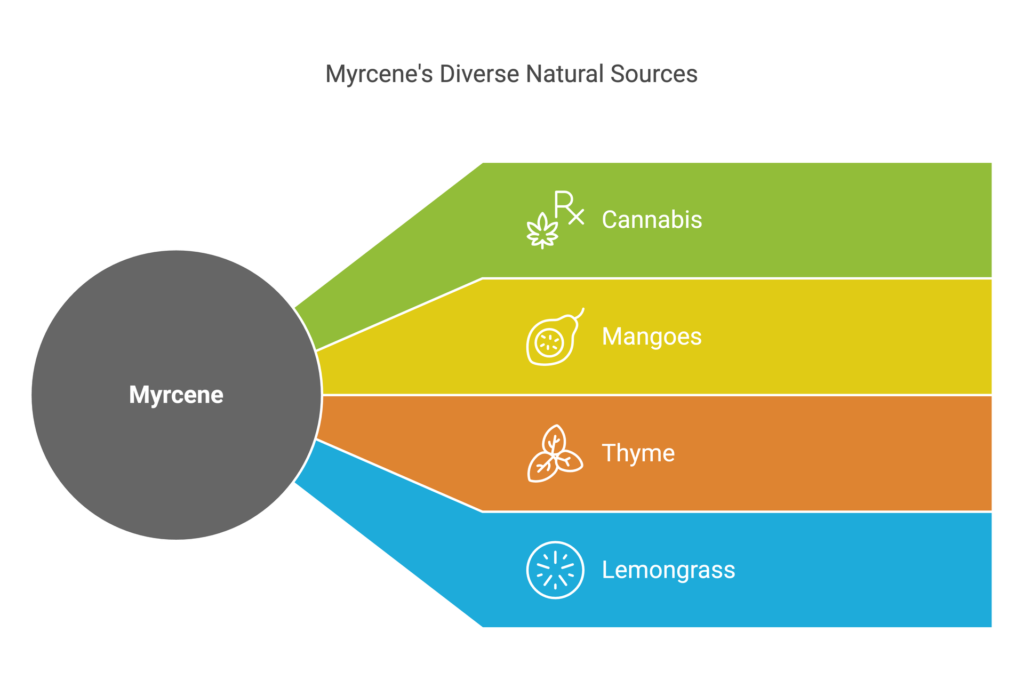
Though myrcene is often tied to cannabis, this versatile terpene is commonly found in other natural sources, too.
Other Plants Containing Myrcene
Myrcene is prominent in hop used for brewing, as well as in lemongrass. Drinking lemongrass tea is a traditional practice in some cultures.
Keep in mind that while myrcene is associated with sedation, everyday consumption of lemongrass does not always mean you’ll feel an immediate sedating effects.
- Found in hops, which give beer certain aromatic qualities.
- Essential oil and its isolated forms of lemongrass contain high concentrations of myrcene.
- This compound gives cannabis some of its signature “earthy” notes.
Interestingly, the synergy you get in cannabis can be different, since the presence of other terpenes (like limonene) and cannabinoids can shift how myrcene interacts with your body.
Finding the Right Balance
If you’re worried about having too high concentrations of myrcene or want to keep the effect of myrcene mild, you can always try smaller doses or lower terpene content cannabis.
Remember that balancing myrcene levels is a personal choice that depends on how you feel and what you hope to achieve.
- Some cannabis sativa strains contain high amounts of myrcene, while others do not.
- Certain cannabis strain selections have a high dose of myrcene that could be overwhelming for beginners.
- If you prefer a milder experience, seek out cultivars with reduced myrcene content or combine them with strains known for myrcene decreased.
By sampling various cannabis products, you can discover which ones best suit your tolerance and desired outcomes.
Always recall that the cannabis world is broad and evolving. While preliminary data showed that myrcene might help in certain areas, consistent and detailed clinical trials are needed to confirm exactly how it works and to address any unanswered questions.
Conclusion
Myrcene plays a substantial role in shaping the aroma, sedating effects, and overall therapeutic benefits of many cannabis strains. Though many users rave about its calming, analgesic, and anti-inflammatory properties, its true power is best understood through a careful look at how it interacts with other terpenes and cannabinoids. Because research is needed to confirm many of these findings, you should consider experimenting cautiously with cannabis sativa or indica strains that contain high or low levels of myrcene to see how it affects you personally. By paying attention to myrcene produces potential benefits, you might unlock a deeper appreciation of this valuable terpene and fine-tune your cannabis experience.
Frequently Asked Questions
Is Myrcene Only Found in Cannabis?
No. Myrcene is commonly found in plants such as hop and lemongrass. Because it’s not exclusive to cannabis sativa, you can encounter it in beverages like lemongrass tea or certain beers.
Does a Higher Myrcene Content Always Make Cannabis More Sedating?
Often, yes, a high dose of myrcene can induce a sedative effect, but this is not universally guaranteed. Every person’s body is different, and other terpenes (like limonene) plus THC and CBD ratios can influence whether a cannabis user feels sedated or uplifted.
Can Myrcene Help with Pain or Inflammation?
Studies indicate that myrcene might support analgesic and anti-inflammatory properties, potentially helping with mild discomfort. However, because research is needed to further verify its analgesic effects, it’s wise to consult a healthcare professional before relying on myrcene for medical reasons.